
What Should Homeowners Look for After a Hailstorm? Understanding Roof Damage in Peru, IN
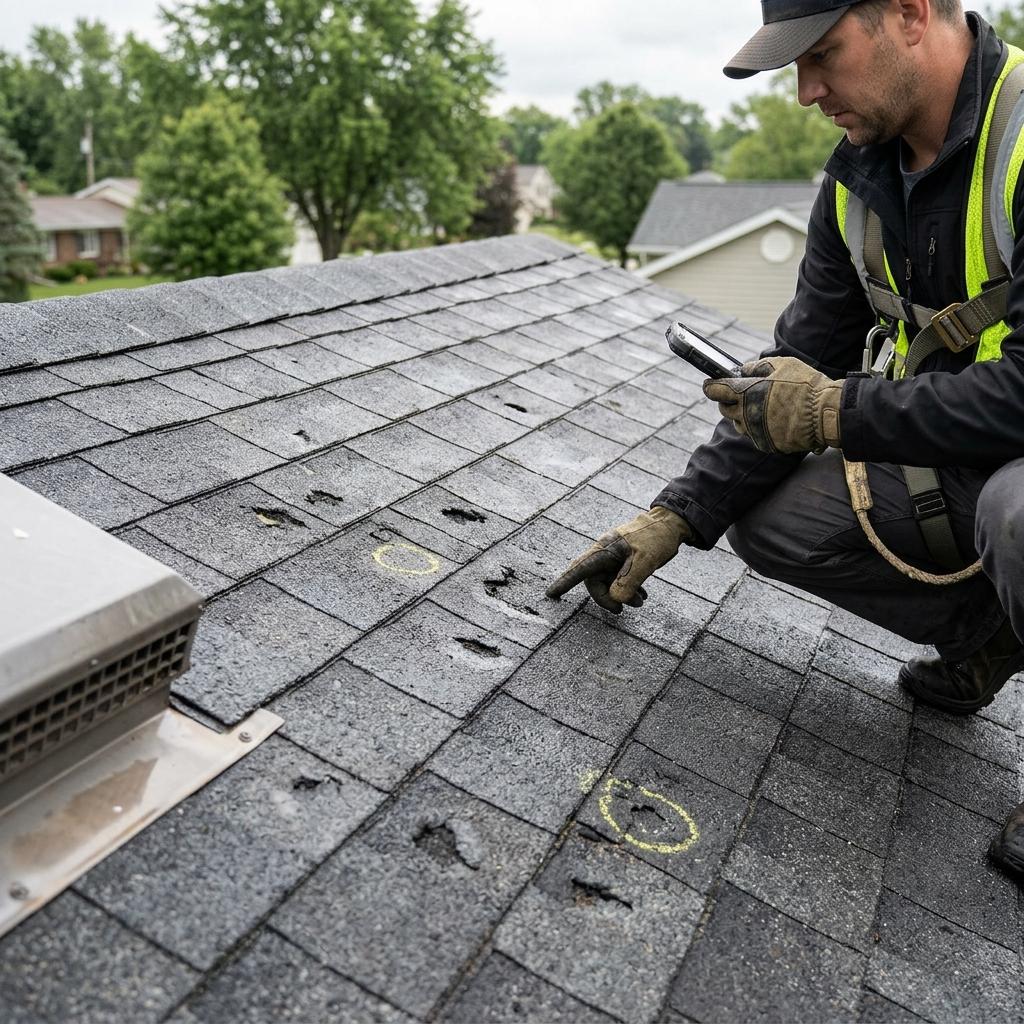
A hailstorm can pass through a neighborhood in a relatively short time, but its effects on a residential roof may not become obvious immediately. While some properties show visible damage, others may have smaller issues involving shingles, flashing, vents, or gutters that are difficult to recognize from the ground. For homeowners, understanding what to look for after severe weather is an important part of protecting their property.
In Peru, Indiana, and surrounding North Central Indiana communities, changing weather conditions make it useful for property owners to understand how hail can affect different roofing components. A roof does more than provide shelter. It helps protect insulation, ceilings, walls, and other parts of the building from outdoor moisture.
Knowing when to arrange a professional assessment, what an inspector examines, and how inspection findings are documented can help homeowners make informed decisions without rushing into unnecessary repairs.
How Can Hail Affect Different Roofing Materials?
Hail does not affect every roof in exactly the same way. The material, age, condition, and exposure of a roofing system can influence the type of damage that occurs.
Asphalt shingles, for example, may experience granule loss, bruising, cracking, or other visible changes following hail impact. Granules help protect the underlying shingle surface, so areas where they have been displaced deserve attention.
Metal roofing may show dents or surface deformation, depending on the hailstones and roofing material. Other roofing systems can have different vulnerabilities that require material-specific evaluation.
However, not every mark on a roof indicates hail damage. Existing wear, installation issues, previous repairs, and ordinary weather exposure can create similar-looking conditions.
This is why homeowners should avoid making conclusions based exclusively on photographs taken from the ground.
Five Roof Areas Worth Checking After a Hailstorm
A roof consists of several connected components. Damage or deterioration in one area may create opportunities for moisture to enter the building.
1. Shingles and Roof Covering
Shingles are among the first components homeowners think about after a hailstorm. Missing pieces, cracks, visible impact marks, and areas with unusual granule loss may deserve further examination.
An inspector can evaluate the accessible roof covering and document observable conditions. The assessment should distinguish between possible storm-related damage and existing deterioration whenever the available evidence allows.
2. Flashing Around Chimneys and Vents
Flashing helps direct water away from vulnerable roof transitions. It is commonly installed around chimneys, walls, and roof penetrations.
Loose, damaged, or deteriorated flashing can create potential entry points for water. Even when shingles appear relatively undamaged, these connecting areas should not be overlooked during an assessment.
3. Roof Valleys and Ridge Caps
Roof valleys collect and direct water toward drainage areas. Ridge caps protect the upper intersections of sloping roof sections.
Both areas experience weather exposure and should be included in a thorough visual assessment. Displaced materials, visible deterioration, or damaged components may indicate a need for further attention.
4. Gutters and Downspouts
Hail and severe weather can affect more than the main roof surface. Gutters and downspouts may become loose, dented, obstructed, or disconnected.
Proper drainage matters because water needs a clear path away from the building. An inspection can help identify visible problems that may contribute to unwanted moisture around the property.
5. Attic Decking and Interior Leak Signs
Some roof-related problems become easier to recognize from inside the property.
Water stains, discoloration, and visible moisture-related conditions on attic decking can provide useful clues. These observations should be documented because an exterior roof assessment alone may not reveal every concern.
Why Is a Professional Roof Assessment Important After Hail?
A homeowner may notice damaged shingles or loose gutters, but determining the overall condition of a roof requires looking at several components together.
A professional Hail Damage Roof Inspection in Peru, IN can help property owners understand the visible condition of their roofing system, including covering materials, flashing, valleys, vents, skylights, gutters, and accessible attic areas.
An independent inspection also offers an important distinction: the inspector evaluates and documents conditions rather than approaching the property as a roofing repair salesperson.
That separation can be useful when homeowners need an objective description of existing conditions before contacting contractors for repair estimates.
For properties where hail exposure is a concern, a Hail Damage Roof Inspection in Peru IN can help document observable impact marks, damaged shingles, affected vents, and other relevant conditions.
The purpose is not to guarantee an insurance outcome or automatically recommend replacement. Instead, the inspection provides information that property owners can use when deciding what steps to take next.
What Information Should a Roof Inspection Report Include?
A useful inspection report should explain what was observed and identify the areas that deserve attention.
Photographs are particularly helpful because they allow homeowners to review individual findings without relying entirely on technical descriptions.
A well-organized report may document:
-
The visible condition of roofing materials.
-
Observable damage to shingles or other coverings.
-
Flashing conditions around chimneys and roof penetrations.
-
Concerns involving valleys and ridge caps.
-
The condition of visible gutters and downspouts.
-
Accessible attic decking and visible water stains.
-
Photographs of significant observations.
-
A summary explaining important findings.
Inspection methods also matter. Some roofs can be safely walked, while steep, wet, or fragile surfaces may require alternative viewing methods.
The inspection should explain which approach was used rather than suggesting that every roof can be physically accessed.
For insurance-related discussions, photographs and written observations may provide supporting documentation. However, the insurer determines coverage and makes claim decisions.
When Should Homeowners Arrange an Inspection?
There is no single schedule that applies to every roofing situation. However, several circumstances make an assessment particularly useful.
After a significant hailstorm: Visible impact marks, damaged shingles, or concerns about roof components are reasons to consider professional evaluation.
Before purchasing a property: Buyers can gain a better understanding of the roof's visible condition before taking responsibility for the home.
Before selling a house: Sellers may want to identify existing roof concerns before prospective buyers arrange their own inspections.
When interior water stains appear: Discoloration on ceilings or visible attic moisture can justify investigating possible roof-related entry points.
When a roof shows signs of aging: Worn shingles, granule loss, deteriorated flashing, and drainage concerns can indicate that closer evaluation is appropriate.
In each situation, an inspection provides information rather than a promise that repairs will or will not be necessary.
What About Commercial Roofs?
Commercial properties have different roofing configurations and maintenance considerations compared with typical residential homes.
Flat or low-slope roofing systems, rooftop equipment, drainage components, seams, flashing, and roof penetrations may all require attention.
Standing water, visible membrane concerns, loose flashing, and obstructed drainage areas can be important observations during a commercial assessment.
Property owners looking for commercial roof inspection services should understand what the inspection covers and whether the accessible roof areas can be safely evaluated.
Documenting the visible condition of these components can help building owners organize maintenance discussions and obtain appropriate repair estimates when necessary.
Choosing an Independent Inspector in North Central Indiana
When arranging a roof assessment, homeowners should understand the inspector's qualifications, inspection scope, reporting process, and approach to roof access.
For property owners in Peru and surrounding communities, New Beginnings Property Inspection, LLC provides independent roof inspections across North Central Indiana.
The business is owned and operated by Jason Carter, an Indiana Licensed Home Inspector with license number HI02100044. The website also identifies his InterNACHI Certified Professional Inspector and HSTI credentials.
Jason examines visible roofing components and documents significant findings with photographs. He does not sell roofing repairs, allowing homeowners to receive an inspection focused on evaluating property conditions rather than selling repair work.
According to the service information, digital inspection reports are delivered within 24–48 hours. Property owners can also attend the inspection and ask questions about the observations.
Frequently Asked Questions
1. Can hail damage occur without visible roof leaks?
Yes. A roof may have visible damage or deterioration without water immediately entering the building. A lack of interior stains does not establish that every roofing component is undamaged.
2. Does every roof need to be walked during an inspection?
No. Roof access depends on safety and accessibility. Steep, wet, or fragile roofs may need to be evaluated using alternative viewing methods.
3. Can an inspection help with an insurance claim?
An inspection report with photographs can document visible roof conditions. However, the insurance company makes its own coverage and claim decisions.
4. How long does it take to receive a roof inspection report?
New Beginnings Property Inspection states that its digital reports are generally delivered within 24–48 hours.
5. Does a roof inspection include repairs?
No. New Beginnings Property Inspection provides inspection services rather than roofing repair work. Homeowners can use the findings when discussing any necessary repairs with qualified roofing contractors.
Conclusion
A hailstorm should not automatically lead homeowners to assume their roof needs replacement. At the same time, overlooking visible damage or potential moisture entry points can create uncertainty about the property's condition.
Examining shingles, flashing, roof valleys, vents, gutters, and accessible attic areas provides a more complete picture than looking at the roof from the driveway.
For homeowners in Peru and throughout North Central Indiana, an independent roof inspection can offer documented observations and a clearer understanding of what deserves attention. With reliable information, property owners can make more informed decisions about maintenance, repairs, and their property's long-term protection.

 English
 Arabic
 French
 Spanish
 Portuguese
 Deutsch
 Turkish
 Dutch
 Russian
 Romaian
 Portuguese (Brazil)
 Greek