
Why Can a Small Commercial Roof Leak Become a Major Business Problem?
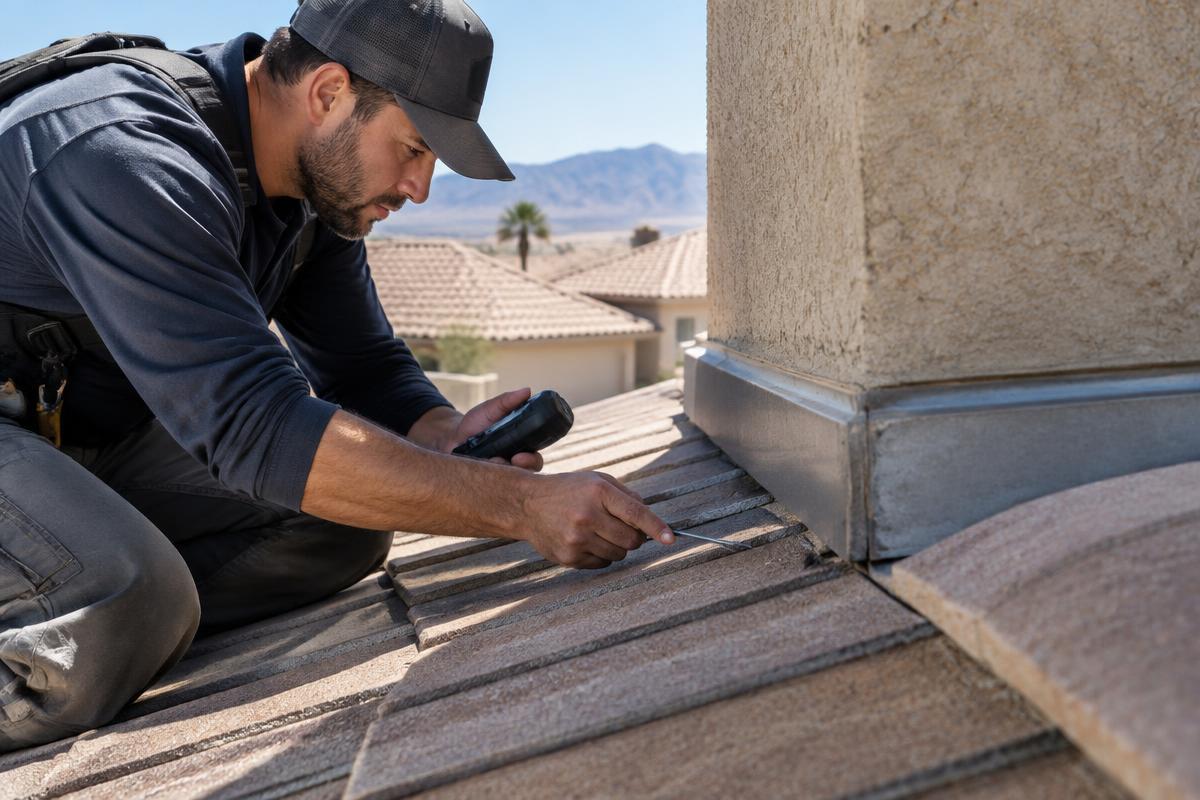
A small water stain on a ceiling may not look urgent, especially when a building is open, employees are working, and customers are coming through the doors. Yet a roof leak rarely stays confined to the spot where it first becomes visible. Water can travel through insulation, along roof decking, around structural components, and across ceiling systems before it appears indoors. By the time someone notices a stain or a drip, the original entry point may be several feet away.
Understanding how leaks develop, how professionals trace them, and what to do while waiting for repairs can help limit disruption and protect the building.
Why Commercial Flat Roof Leaks Need Prompt Attention
Flat and low-slope roofs cover many commercial spaces, including offices, retail buildings, warehouses, and service facilities. Their performance depends on more than the visible roofing surface. Membrane seams, perimeter edges, drains, scuppers, flashing, and penetrations must work together to keep water outside.
When one detail fails, water may enter gradually or during a storm. Even a modest leak can wet ceiling tiles, damage insulation, stain interior finishes, and affect electrical or mechanical areas. In a business that relies on uninterrupted operations, the consequences may include closed rooms, moved equipment, interrupted services, and avoidable cleanup.
The problem can also become harder to diagnose if water continues to spread. A ceiling stain identifies where moisture became visible, not necessarily where it entered the roof. Replacing a ceiling tile or sealing the stain without investigating the roof may hide the symptom while the underlying problem remains.
What Commonly Causes a Flat Roof to Leak?
Commercial roof leaks can develop at several points in the roofing assembly. One common source is a failed seam or an area where the roof membrane has separated. Temperature changes, movement, age, and previous repairs can all affect the bond between adjoining sections.
Flashing is another important area. Roofs have transitions around walls, parapets, skylights, vents, pipes, and rooftop heating or cooling equipment. If flashing becomes loose, cracked, or poorly sealed, rainwater can find a path beneath the roof covering. HVAC curbs deserve particular attention because they interrupt the otherwise continuous roof surface.
Drainage problems can contribute as well. Debris in drains or scuppers may slow the movement of rainwater away from the building. Water that remains on a roof can place additional stress on vulnerable seams and details. A professional assessment should consider the roof's drainage design rather than assuming every leak comes from a damaged membrane.
Why Finding the Entry Point Is More Important Than Patching the Stain
Water does not always travel straight down. It may move beneath a membrane, follow a seam, run along decking, or collect around a penetration before reaching an interior ceiling. This is why the location of a drip can be misleading.
A thorough leak investigation starts with the reported symptoms and the roof layout. A technician may review the affected interior area, inspect the roof surface above and around it, and examine transitions, penetrations, edges, and drainage points. The goal is to identify the water pathway and distinguish the source from secondary damage.
This matters especially on buildings with multiple roof sections or rooftop equipment. A repair made at the wrong location may fail to stop the leak, leaving the property owner with repeated service calls and continuing interior damage.
For an active problem, Emergency Commercial Flat Roof Leak Detection & Repair in Las Vegas, NV should involve both locating the likely entry point and selecting a repair suited to the roof assembly. A temporary measure may be necessary to control immediate water entry, but the long-term repair should address the actual failure rather than simply covering the visible symptom.
What Should Property Managers Do When a Leak Appears?
The first priority is to protect people and reduce immediate property exposure. Keep occupants away from areas where ceiling materials are sagging, water is near electrical equipment, or the source of the leak creates a safety concern. If there is a potential electrical hazard, contact qualified personnel rather than touching wet fixtures or equipment.
Move inventory, furniture, electronics, and other vulnerable items away from the affected area when safe. Use suitable containers to catch dripping water, and place warning signs or barriers around slippery floors. Photograph visible water, staining, damaged materials, and affected contents.
Notify the person responsible for building maintenance and arrange a qualified roof assessment. Share useful details: when the leak began, whether it followed rainfall, which rooms are affected, whether the water is still entering, and whether the problem has happened before. This information can help the roofing professional plan the investigation.
Avoid sending untrained staff onto a roof, particularly during rain, high winds, or extreme heat. Roof access can involve fall hazards, fragile surfaces, electrical equipment, and other risks. Interior precautions are often the safest actions for building personnel while qualified help is arranged.
How Preventive Roof Care Helps Reduce Water Damage
Emergency repairs address problems after they appear. A preventive approach looks for conditions that could allow water inside before the next storm. This may include checking visible seams, flashing, roof edges, drains, scuppers, and areas around rooftop equipment.
A documented roof review helps property managers prioritize issues. Minor deterioration may call for a targeted repair, while widespread damage or recurring leaks may require a broader evaluation. Keeping notes and photographs over time also makes it easier to compare changes and plan maintenance.
For commercial properties, Commercial Roof Water Damage Prevention in Las Vegas, NV is a useful way to think about protecting more than the roof surface. Prevention includes watching for early warning signs, maintaining drainage pathways, addressing vulnerable details, and responding promptly when moisture appears indoors.
Choosing a Practical Repair Plan
Once the source has been investigated, the next step is to understand the recommended work. Property managers should ask what failed, where the water entered, whether related areas were checked, and what the proposed repair is intended to correct. Clear explanations help compare options and plan operations.
The repair method should suit the existing roofing system and the condition of the surrounding materials. A localized flashing issue may need a different solution from a separated membrane seam or a drainage problem. If moisture has affected insulation or other components, those conditions may also need evaluation before the repair is considered complete.
It is equally important to understand the limits of a proposed repair. A focused repair can be appropriate when the surrounding roof remains serviceable. If the roof has widespread deterioration, repeated patching may not be the most practical long-term approach. The recommendation should be based on the condition of the assembly, not on an automatic assumption that every leak requires a full replacement.
Protect the Building Before the Next Storm
A commercial roof leak is more than an inconvenience. Left unresolved, moisture can damage interior finishes, disrupt daily operations, and create additional repair needs. The most effective response combines safe immediate precautions with a careful investigation of how water entered the building.
Property managers can reduce uncertainty by documenting symptoms, protecting affected areas, arranging a qualified assessment, and keeping a record of roof conditions over time. In a climate where intense sun and sudden rainfall place different demands on roofing materials, attention to seams, flashing, penetrations, and drainage is particularly valuable.
The goal is not simply to make a ceiling stain disappear. It is to understand the roof's condition, correct the source of water entry, and make informed maintenance decisions that help keep the building protected and business activities moving.
More details are available at: Local Business Directory

 English
 Arabic
 French
 Spanish
 Portuguese
 Deutsch
 Turkish
 Italiano
 Russian
 Romaian
 Portuguese (Brazil)
 Greek