
Military Tents for Outdoor Operations: What Makes Them Built to Last
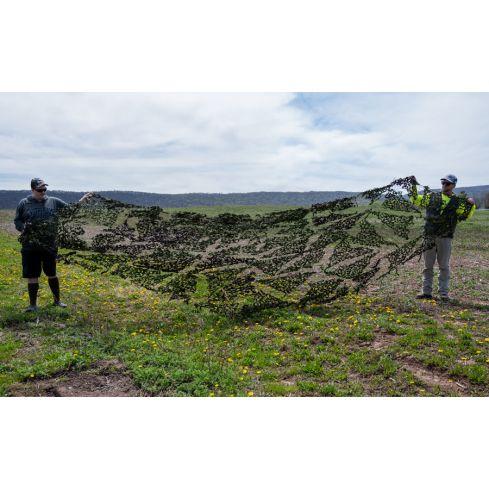
Outdoor operations often take place in challenging environments where reliable shelter is essential. Whether used for field activities, remote work, emergency support, or extended outdoor stays, a tent must provide dependable protection and enough space for its intended purpose. Ordinary camping shelters may not always meet these demands, which is why durability and practical construction are important when choosing a suitable outdoor shelter.
Military tents for outdoor operations are designed with demanding field conditions in mind. Their construction generally focuses on strong materials, reinforced areas, stable support structures, and weather protection. These features help them handle repeated use and changing outdoor conditions. Depending on the model, they can serve as temporary accommodation, equipment storage, workspaces, or sheltered areas for teams operating away from permanent facilities.
1. Strong Materials Make a Difference
The fabric is one of the most important parts of a tent's overall durability. Heavy-duty canvas, reinforced polyester, and coated synthetic fabrics are commonly used in different shelter designs. Each material offers different benefits. Canvas is known for its sturdy construction, while coated synthetic fabrics can provide useful protection against moisture and other environmental conditions.
The quality of the fabric also matters. A strong weave helps reduce the risk of tearing during regular use, while suitable coatings can improve resistance to rain and sunlight. Choosing the right material for the expected environment helps ensure that the shelter remains useful over time.
2. Reinforced Seams and Construction
Even strong fabric can become damaged if the seams and connection points are weak. Areas around doors, corners, windows, and support attachments may experience additional pressure during setup and use. Reinforced stitching and carefully constructed joints help these sections handle regular movement and tension.
A well-made structure should also have dependable zippers, fasteners, and attachment points. Checking these details before purchasing can help identify whether a tent is suitable for repeated outdoor use.
3. Protection Against Changing Weather
Outdoor conditions can change quickly. Rain, wind, strong sunlight, and temperature differences can affect the comfort and condition of a temporary shelter. A suitable design should provide protection according to the environment in which it will be used.
Water-resistant fabric and properly designed roof sections can help manage rainfall. Secure anchoring points and suitable support poles also contribute to stability when wind conditions become challenging. However, no tent should be considered completely weatherproof in every situation. Proper setup and following the manufacturer's guidelines remain essential.
4. Frames and Support Systems
The frame plays an important role in maintaining the tent's shape and stability. Depending on the design, support systems may use steel, aluminum, or other durable materials. Strong poles and reliable connectors help distribute structural pressure and keep the shelter properly supported.
Before selecting a model, consider how many people will assemble it, how often it will be moved, and whether replacement parts are available. These practical details can make setup, transportation, and maintenance easier.
5. Easy Setup and Practical Design
A durable shelter should also be practical to use. Complicated assembly can waste time, especially when a team needs to establish a temporary base quickly. Clear instructions, organized components, and straightforward connections make installation more manageable.
Ventilation is another important consideration. Windows, mesh panels, and adjustable openings can support airflow and help reduce indoor moisture. The right layout should also provide enough room for people, equipment, and essential supplies without making movement difficult.
6. Proper Care Helps Extend Its Life
Regular maintenance is essential for keeping any outdoor shelter in usable condition. After use, remove dirt and debris, inspect the fabric for small tears, and check poles, zippers, and connectors for damage. Allow the entire structure to dry completely before packing it away.
Storing a damp tent can encourage mold and mildew, particularly in fabric materials that retain moisture. Keep all components in a clean, dry storage area and repair minor problems before they become larger issues.
When comparing available options, Colemans Military Surplus can be a useful place to explore military surplus equipment and outdoor gear. Before choosing a shelter, review its listed condition, size, included components, and intended use to make sure it matches your requirements.
Final Thoughts
A long-lasting outdoor shelter depends on more than just thick fabric. Material quality, reinforced construction, stable support systems, weather protection, and regular maintenance all contribute to dependable performance. By considering these features before making a purchase, you can choose a shelter that better suits your outdoor requirements and provides practical support for repeated use.

 English
 Arabic
 French
 Spanish
 Portuguese
 Turkish
 Dutch
 Italiano
 Russian
 Romaian
 Portuguese (Brazil)
 Greek