
Beauty Machine Accessories: An Informational Guide to Aesthetic Equipment Components
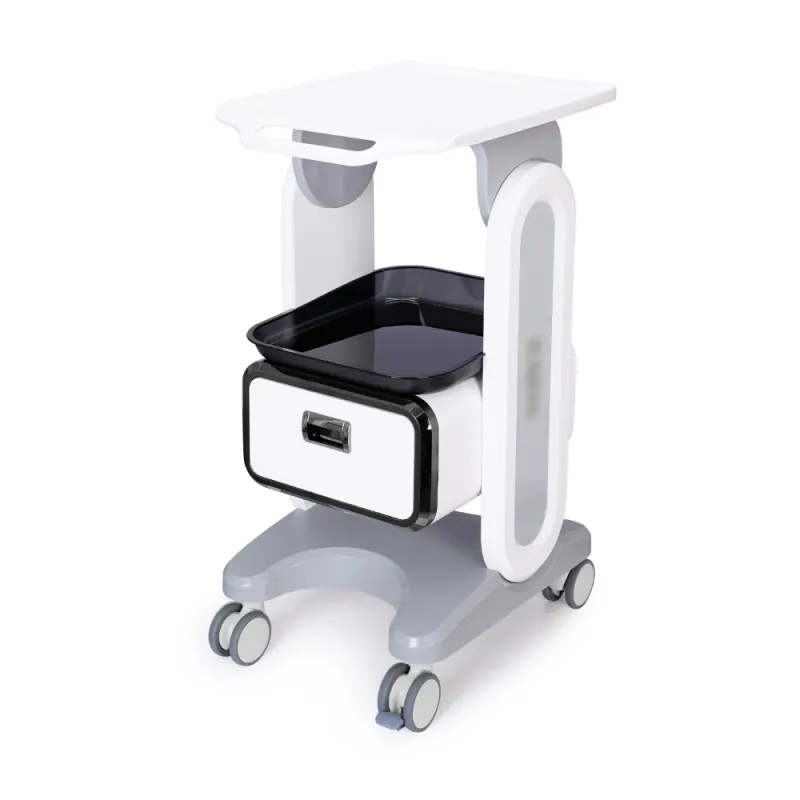
Professional aesthetic equipment often relies on more than the main machine itself. Different handpieces, applicators, probes, cables, holders, tips, and other components can support the operation of beauty and skincare systems. Understanding beauty machine accessories is therefore useful for professionals who work with facial, body-contouring, skin-care, and other aesthetic technologies. The correct accessory can influence how equipment is positioned, operated, and maintained, while compatibility remains an important consideration when replacing or adding components.
What Are Beauty Machine Accessories?
Beauty machine accessories are additional components designed to work with aesthetic and skincare equipment. Depending on the type of machine, these components can include treatment heads, facial probes, ultrasonic handles, RF electrodes, vacuum cups, laser applicators, replacement tips, connecting cables, and other specialized parts.
Accessories are generally designed around the technical requirements of a particular device. This means that two components that appear similar may not necessarily function in the same system. Checking compatibility, specifications, and manufacturer instructions is important before using an accessory.
Common Types of Aesthetic Machine Accessories
Different aesthetic technologies require different supporting components. Some of the most common categories include the following.
Handpieces and Treatment Heads
Handpieces allow operators to direct energy or mechanical action toward a specific treatment area. Their design depends on the technology used by the main device.
For example, facial equipment may use specialized heads for cleansing, exfoliation, infusion, or other procedures, while body-focused equipment can use different shapes and sizes.
RF Electrodes
Radiofrequency systems commonly use electrodes or treatment heads designed to deliver RF energy. Their configuration can vary depending on the equipment and intended application.
Ultrasonic Probes
Ultrasonic equipment may use specialized probes or heads that transmit ultrasonic energy. Different probe shapes can be designed for particular areas or procedures.
Vacuum Cups
Vacuum-based aesthetic systems can use cups in different sizes and configurations. The appropriate cup depends on the equipment and the intended application.
Replacement Tips
Some aesthetic machines use disposable or replaceable tips. These components may need regular replacement to maintain appropriate hygiene and equipment operation.
Why Compatibility Matters
When selecting beauty machine accessories, compatibility should be one of the first considerations. Accessories are designed around specific electrical, mechanical, or energy-delivery requirements.
Using an incompatible component may affect equipment operation or create safety concerns. Before purchasing or installing an accessory, professionals should check the machine model, connector type, operating specifications, and manufacturer's recommendations.
How Accessories Support Different Beauty Technologies
Aesthetic machines can use different forms of energy or mechanical action, and their accessories are designed accordingly.
Facial Equipment
Facial systems may use probes, spatulas, cleansing heads, infusion handles, or other specialized components depending on the technology.
Body-Contouring Equipment
Body-focused systems can include applicators, handpieces, pads, or other components designed for larger treatment areas.
Laser Equipment
Laser systems may use applicators, protective components, positioning accessories, or replacement parts specific to the laser platform.
Skin-Care Equipment
Equipment used for exfoliation, hydration, cleansing, or skin analysis can require specialized tips, heads, and connectors.
MyChway and Aesthetic Equipment Components
MyChway offers a range of aesthetic equipment and related components designed for professional beauty and skincare environments. When evaluating accessories, professionals should consider the equipment model, intended application, technical specifications, and manufacturer's instructions.
The accessory should match the technology of the main device rather than being selected only because its physical appearance seems compatible. Product documentation can help determine whether a particular component is appropriate for a specific machine.
Maintenance and Hygiene
Proper maintenance is important for both aesthetic machines and their accessories. Reusable treatment heads should be cleaned according to the manufacturer's instructions, while components intended for single use should not be reused.
Cables, connectors, probes, and handpieces should also be inspected periodically for visible damage. Regular checks can help identify worn or damaged components before they interfere with equipment operation.
Choosing the Right Accessories
Professionals can consider several factors when selecting accessories for aesthetic equipment.
First, the accessory should be compatible with the exact machine model. Second, its intended function should match the procedure for which it will be used. Third, materials, construction, connector type, dimensions, and operating specifications should be reviewed where applicable.
It is also useful to maintain records of replacement parts and accessories used with each machine. This can make routine maintenance and future replacements easier to manage.
The Role of Accessories in Equipment Operation
Accessories can expand the practical functionality of aesthetic equipment by providing different treatment interfaces or allowing the same machine to be used for different areas. However, their purpose depends on the technology and design of the main system.
Understanding how each component works with its corresponding machine can help professionals use equipment more consistently and follow appropriate operating procedures.
Conclusion
Beauty machine accessories include a wide range of components such as handpieces, probes, applicators, tips, electrodes, vacuum cups, cables, and replacement parts. Their purpose varies according to the technology and equipment with which they are designed to work.
For professional aesthetic environments, compatibility, hygiene, maintenance, and manufacturer specifications are important when selecting or replacing accessories. Understanding these factors helps professionals manage their equipment more effectively while ensuring that individual components are used according to their intended purpose.

 English
 Arabic
 French
 Spanish
 Portuguese
 Turkish
 Dutch
Dutch
 Italiano
 Russian
 Romaian
 Portuguese (Brazil)
 Greek
Greek