
Dental Treatments Explained: What to Expect at a Dental Clinic in Lahore

Most people walk into a dental clinic in Lahore knowing very little about what the dentist is about to do. They hear words like scaling, crown or root canal and quietly hope the treatment will be quick. That uncertainty is one of the main reasons people feel anxious in the dental chair. When you understand what each treatment is for, how it works and how long it usually takes, the whole experience becomes calmer and your decisions become better. This guide explains the most common dental treatments in simple language, so that you know what to expect, what to ask and how to look after your teeth afterwards.
It All Starts With a Proper Examination
Every good treatment plan begins with a thorough check. Your dentist will look at your teeth, gums, tongue and bite, ask about pain or sensitivity, and usually take X-rays to see what cannot be seen with the eye, such as decay between teeth or infection at the root. This first visit is not only about finding problems. It is also a chance to talk about what you want, whether that is relief from pain, a straighter smile or simply a routine check.
After the examination, the dentist should explain what they found in words you understand and suggest a plan in order of priority. Urgent problems, such as infection or a broken tooth, come first. Cosmetic wishes can usually wait. If a plan is presented without any explanation, or if you feel rushed, it is fair to ask more questions or take time to think before agreeing.
Cleaning: Why Scaling and Polishing Matters
Even careful brushing leaves behind a thin film of bacteria called plaque. If it stays on the teeth, it hardens into tartar, which cannot be removed at home and slowly irritates the gums. Over time this can lead to bleeding, bad breath and, in advanced cases, gum disease that loosens the teeth.
Professional scaling and polishing removes this hardened deposit using special instruments, and the polishing step smooths the tooth surface and lifts light stains. The treatment is usually comfortable and takes around half an hour. Your gums may feel slightly tender or sensitive for a day or two, which is normal. Many dentists suggest a cleaning every six months, although the right interval depends on your own gum health.
Fillings and Root Canal Treatment
When a tooth has a cavity, the dentist removes the decayed part and fills the space with a durable material so that the tooth can work normally again. Early fillings are small, quick and usually need only local anaesthetic to numb the area. The earlier a cavity is found, the smaller and simpler the filling will be, which is another reason regular check-ups matter.
If decay or injury reaches the soft tissue inside the tooth, called the pulp, bacteria can cause infection and severe pain. This is when root canal treatment may be needed. The NHS explains that this treatment removes the infection from inside the tooth, after which the space is cleaned and filled so it does not become infected again. It is carried out under local anaesthetic, so you stay awake but should not feel pain, and the same source notes that without treatment an infected tooth may eventually have to be removed.
Many people are afraid of root canal treatment because of old stories, yet the pain they remember usually came from the infection and not the treatment itself. Afterwards, a treated tooth, especially a back tooth, often needs a crown to protect it from cracking.
Crowns and Bridges
A crown is a cover that fits over the whole visible part of a tooth. It is used when a tooth is badly broken, heavily filled, weakened by a root canal or simply worn down. Modern materials such as zirconia and porcelain can look very natural and are strong enough for everyday chewing. Getting crowns and bridges usually takes two visits. At the first, the tooth is shaped and an impression or scan is taken, and at the second, the finished crown is fitted and checked for comfort and bite.
A bridge works on a similar idea, but it replaces a missing tooth by attaching an artificial tooth to crowns on the neighbouring teeth. It can restore your chewing and smile without surgery, although the supporting teeth need to be healthy enough to carry the extra load.
Dental Implants
When a tooth is lost, the root is lost with it, and the jawbone slowly begins to shrink. A dental implant addresses both problems. It is a small post, usually made of titanium, placed into the jawbone to act like a new root. After a healing period, during which the bone grows around the post, a crown is attached on top.
Dental implants can look and feel very close to natural teeth and, with good care, can last for many years. They are not suitable for everyone, though. You need enough healthy bone and healthy gums, and habits such as smoking can lower the chance of success. The process takes several months from start to finish, so a good clinic will explain each stage, the timeline and the cost before beginning.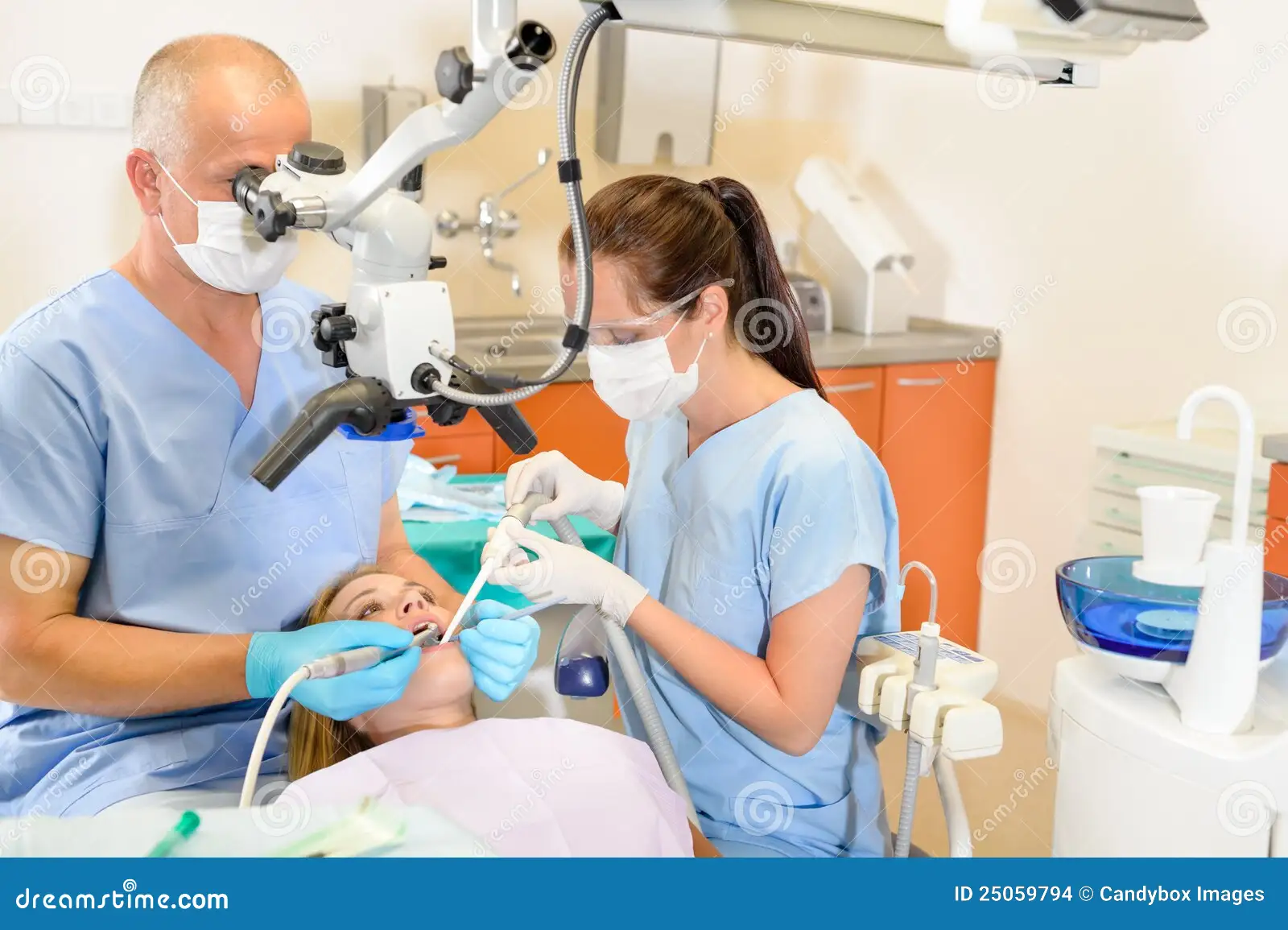
Braces and Aligners
Crooked or crowded teeth are not only a cosmetic concern. They can be harder to clean, which raises the risk of decay and gum problems, and a poor bite can strain the jaw. Braces and aligners gently move teeth into better positions over time.
Traditional braces use brackets and wires, while clear aligners are removable trays that are changed every few weeks. Treatment can take from several months to two years or more, depending on the case. Whichever option you choose, regular adjustment visits are essential, and you will need to wear a retainer afterwards, otherwise teeth can slowly drift back. Good cleaning habits matter even more with braces, since food can easily collect around the brackets.
Teeth Whitening and Veneers
Teeth change colour with age, and tea, coffee and smoking can add to the staining. Professional teeth whitening uses carefully controlled products to lighten the natural colour of your teeth, and it is usually done after a cleaning so that the result is even. Temporary sensitivity is common and usually settles within a few days. It is worth knowing that whitening does not change the colour of fillings or crowns, so your dentist should plan around them.
For chipped, uneven or deeply stained teeth, dental veneers may be a better answer. These are thin shells bonded to the front of the teeth to improve shape, colour and alignment. Some types require a small amount of enamel to be removed, which means the change is permanent, so it is important to discuss the pros and cons carefully before deciding.
How to Choose the Right Treatment
With so many options, the best choice depends on your health, your goals, your time and your budget. A trustworthy dentist will explain the benefits and limits of each option, including the simplest one. They will also tell you what happens if you choose to wait, and they will give you an honest estimate of the cost and the number of visits.
Do not be afraid to ask for a second opinion on larger treatments, or to ask whether the work can be done in stages. Priority should always go to what protects your health, such as treating infection and decay, before treatments that improve appearance. Finally, remember that every treatment lasts longer when you support it at home with twice-daily brushing, daily cleaning between your teeth, fewer sugary snacks and regular check-ups.
Ready to Book a Visit?
If you have been wondering which treatment suits you, the easiest step is a proper consultation. You can request an appointment with a team of the best dentist in Lahore patients look for, ask your questions freely, and leave with a clear plan before any treatment begins.
Conclusion
Dental treatments sound complicated, but each one has a simple purpose: to remove disease, repair damage, replace what is missing or improve how your smile looks and works. Cleanings and fillings protect your teeth early, root canals and crowns save teeth that are in trouble, implants and bridges replace lost ones, and braces, whitening and veneers improve alignment and appearance. When you understand these options, you can talk to your dentist with confidence and choose what truly suits you. Visit regularly, ask questions, care for your teeth at home, and a healthy, comfortable smile becomes far easier to keep.

 English
 Arabic
 French
 Spanish
 Portuguese
 Deutsch
 Turkish
 Dutch
 Italiano
 Russian
 Romaian
 Greek