
Does Dental Veneers Treatment Require Tooth Shaving?
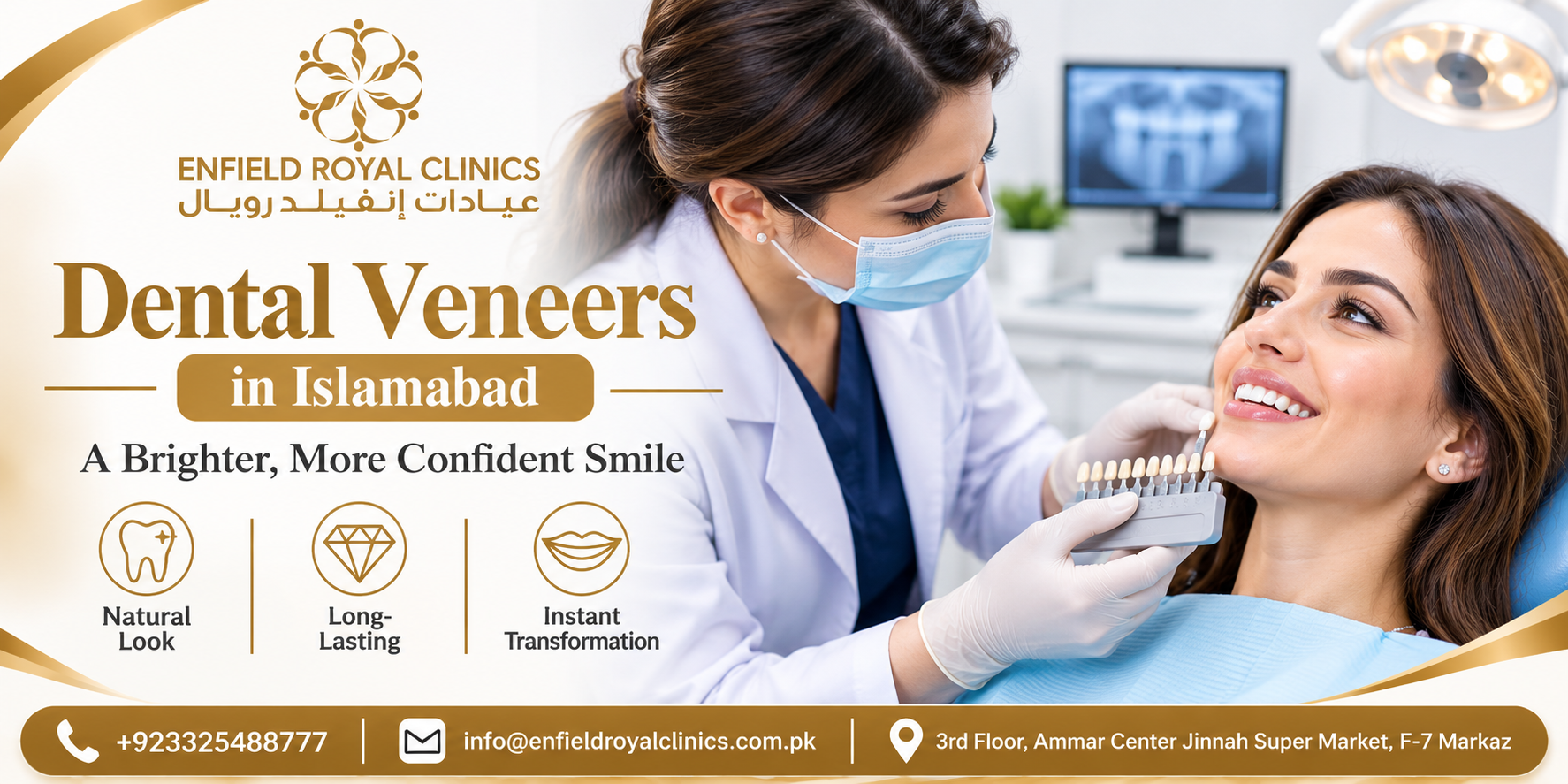
Dental veneers are a popular cosmetic dental treatment for improving the appearance of stained, chipped, uneven, or slightly misaligned teeth. They are designed to cover the front surfaces of teeth and create a more balanced, attractive smile. However, one common concern among people considering this procedure is whether their natural teeth need to be shaved before veneers can be placed.
The answer depends on the type of veneers, the position of the teeth, the amount of correction required, and the patient's existing enamel. Some veneer treatments involve removing a thin layer of enamel, while selected cases may qualify for minimal-preparation or no-preparation options.
For individuals researching Dental Veneers in Islamabad, understanding tooth preparation is important before making a decision. Knowing why enamel may be removed, how much preparation is usually needed, and which alternatives are available can help patients discuss their options with confidence.
1. Why Is Tooth Shaving Sometimes Required for Dental Veneers?
Tooth shaving, commonly called tooth preparation, involves removing a small amount of enamel from the front surface of a tooth. This creates sufficient space for the veneer to fit properly without making the treated tooth look too thick or bulky.
Traditional porcelain veneers often require some enamel reduction. Without appropriate preparation, the added material may affect the natural contour of the teeth, make them appear prominent, or create an uncomfortable feeling around the lips and gums.
Preparation also helps create a suitable surface for bonding the veneer securely. The amount of enamel removed varies according to the tooth's original shape, position, and the thickness of the selected veneer.
It is important to understand that tooth preparation is not the same as removing a large portion of the tooth. In many cases, only a thin layer is removed. However, even limited enamel removal is permanent, so the decision requires careful planning.
2. How Much Tooth Enamel Is Removed During Veneer Treatment?
The amount of enamel removed depends on the patient's dental condition and the type of veneer being considered. Traditional porcelain veneers commonly require approximately 0.3 to 0.7 millimetres of preparation, although the actual amount can be lower or higher depending on the case.
Several factors influence how much preparation is necessary:
-
Natural tooth thickness: Teeth that already have a suitable shape may require less reduction.
-
Tooth position: Teeth that sit further forward may need additional contour adjustment.
-
Desired appearance: Larger changes in tooth shape or size may require more preparation.
-
Veneer material: Different materials have different thickness and placement requirements.
-
Existing dental work: Previous restorations or damage may influence the treatment approach.
The goal is to preserve as much healthy enamel as possible while creating enough space for a natural-looking result. Excessive preparation should be avoided because enamel protects the inner tooth structure and supports long-term dental health.
3. Can Dental Veneers Be Placed Without Tooth Shaving?
Yes, some patients may qualify for no-preparation or minimal-preparation veneers. These options are designed to reduce or avoid enamel removal in carefully selected cases.
No-preparation veneers are generally thinner than traditional veneers and may be bonded directly to the existing tooth surface. Minimal-preparation veneers involve only a small amount of enamel adjustment rather than the more extensive preparation sometimes needed for conventional options.
However, these treatments are not suitable for every smile. They may work best when the teeth are naturally small, slightly spaced, or positioned in a way that allows additional material without creating a bulky appearance.
They may not be appropriate for patients with prominent or crowded teeth, significant changes in tooth shape, or certain bite problems. Adding veneers without enough space can make teeth look too thick and may affect gum health or the way the teeth meet.
A dental assessment is therefore necessary before choosing a no-preparation approach. The most conservative option is not automatically the best option if it cannot achieve a healthy and balanced result.
4. What Is the Difference Between Traditional and No-Prep Veneers?
Both traditional and no-preparation veneers aim to improve the appearance of teeth, but they differ in preparation requirements and suitability.
Traditional porcelain veneers
Traditional veneers usually require a thin layer of enamel to be removed. This allows the veneer to sit naturally against the tooth and provides space for the planned changes in shape, colour, or size. They are commonly used when more noticeable cosmetic improvements are needed.
Minimal-preparation veneers
These veneers require limited enamel adjustment. They may be suitable when the teeth need only minor changes and there is enough natural space for the veneer material.
No-preparation veneers
No-preparation veneers are designed to be placed without intentional enamel removal in selected cases. They can be an option for certain patients with suitable tooth size and positioning, but they cannot correct every cosmetic concern.
| Feature | Traditional veneers | No-preparation veneers |
|---|---|---|
| Enamel removal | Usually required | May be avoided |
| Tooth appearance | Allows more contour changes | Best for selected minor changes |
| Suitability | Depends on dental condition | Requires suitable tooth shape and position |
| Treatment planning | Individualised | Individualised |
The choice should be based on dental health and the desired result rather than selecting an option simply because it involves less preparation.
5. Does Tooth Shaving Cause Pain or Sensitivity?
Tooth preparation is generally manageable, and local anaesthesia may be used to keep the patient comfortable during the procedure. The experience depends on how much preparation is required and the sensitivity of the teeth.
After enamel adjustment, some patients may notice temporary sensitivity to cold, hot, or sweet foods and drinks. This can happen because the prepared tooth may respond more noticeably to temperature changes.
Temporary veneers may be placed when needed while permanent porcelain veneers are being prepared. These coverings help protect the prepared teeth and maintain appearance between appointments.
Patients should follow the dental professional's instructions during this period. If sensitivity becomes severe, continues longer than expected, or is accompanied by persistent pain, swelling, or discomfort when biting, a dental review is important.
Proper planning and careful preparation help reduce unnecessary discomfort and protect the remaining natural tooth structure.
6. How Can Patients Protect Their Natural Teeth During Veneer Treatment?
Preserving healthy enamel should be an important part of every veneer treatment plan. Since traditional veneer preparation is irreversible, patients should understand the procedure before agreeing to it.
A thorough examination can help determine whether veneers are appropriate and whether a more conservative alternative may achieve the same goal. The dental professional may assess tooth thickness, enamel condition, gum health, bite alignment, and any existing restorations.
Patients can also support long-term results by following good oral care habits:
-
Brush twice daily using a soft-bristled toothbrush.
-
Clean between teeth regularly with floss or another recommended interdental aid.
-
Avoid biting hard objects such as ice, pens, or fingernails.
-
Do not use the teeth to open bottles or packaging.
-
Wear a night guard if teeth grinding is present and a guard is recommended.
-
Attend routine dental check-ups to monitor the veneers and surrounding teeth.
Veneers cover the visible surfaces of teeth but do not protect the entire tooth from decay. The natural tooth underneath and around the veneer still requires proper cleaning and care.
7. Are Dental Veneers the Right Choice for Every Patient?
Dental veneers can be useful for people who want to improve persistent discolouration, small chips, minor gaps, worn edges, or irregular tooth shapes. However, they are not the best solution for every dental concern.
Patients with untreated cavities, active gum disease, severely weakened teeth, or significant bite problems may need other treatments first. People who frequently grind or clench their teeth may also require additional assessment because excessive pressure can damage veneers.
In some cases, professional whitening, dental bonding, orthodontic treatment, or restorative procedures may provide a more suitable solution. For example, braces or clear aligners can correct the actual position of teeth, whereas veneers only change their visible appearance.
Anyone considering Dental Veneers in Islamabad should discuss the advantages, limitations, preparation requirements, and long-term maintenance involved. A suitable treatment plan should improve the smile while preserving healthy tooth structure wherever possible.
For more information visit Enfield royal clinic in islamabad
Frequently Asked Questions
1. Is tooth shaving always necessary for dental veneers?
No. Traditional porcelain veneers usually require some enamel removal, but selected patients may qualify for minimal-preparation or no-preparation veneers.
2. Is tooth shaving permanent?
Yes. Enamel does not grow back once removed. Traditional veneer preparation is generally irreversible, which is why careful assessment and planning are important.
3. Do no-preparation veneers look natural?
They can look natural when the patient's tooth shape, size, and position are suitable. However, they may create a bulky appearance if placed where there is insufficient space.
4. Does tooth preparation weaken natural teeth?
Careful preparation that preserves sufficient healthy enamel can support successful veneer placement. However, unnecessary or excessive enamel removal may compromise tooth structure, so conservative planning is essential.
5. Can veneers be removed after placement?
Traditional veneers cannot usually be removed to return the tooth to its original condition because enamel has been permanently altered. Replacement or another restoration may be needed if a veneer is damaged or reaches the end of its service life.
6. How can a patient know which type of veneer is suitable?
A dental examination helps determine the condition of the enamel, tooth position, bite, and cosmetic requirements. Based on these findings, the dental professional can explain whether traditional, minimal-preparation, or no-preparation veneers are appropriate.
Conclusion
Dental veneers do not always require significant tooth shaving, but traditional porcelain veneers commonly involve removing a thin layer of enamel to create space for proper placement. Some patients may be suitable for minimal-preparation or no-preparation alternatives, although these options have specific limitations.
The most important consideration is choosing a treatment that creates a natural-looking smile without unnecessarily removing healthy tooth structure. Patients exploring Dental Veneers in Islamabad should understand the preparation process, discuss conservative alternatives, and receive a personalised dental assessment before proceeding.

 English
 Arabic
 French
 Spanish
 Portuguese
 Deutsch
 Turkish
 Italiano
 Russian
 Romaian
 Portuguese (Brazil)
 Greek