
How to Find the Best Jiu Jitsu Uniform for Your Training
1. Introduction: Why Choosing the Right Jiu Jitsu Uniform Matters
Brazilian Jiu Jitsu is a demanding martial art that requires technique, patience, strength, and consistent practice. Whether you are a beginner learning basic positions or an experienced practitioner preparing for competition, having the right uniform can make a noticeable difference in your training experience. A Jiu Jitsu uniform, commonly known as a BJJ gi, is designed to withstand gripping, pulling, ground movements, and repeated physical contact. However, not every gi offers the same level of comfort, durability, fabric weight, or fit. Choosing the wrong uniform may result in restricted movement, uncomfortable training sessions, or unnecessary replacement costs. This is why understanding the important features of a quality BJJ gi is essential before making a purchase. From fabric construction and GSM to sizing, stitching, and personal training preferences, several factors should influence your decision. Finding the best Jiu Jitsu uniform means selecting equipment that supports your training style and provides reliable performance over time.
2. Understand Your Brazilian Jiu Jitsu Training Style
Before purchasing a Jiu Jitsu uniform, consider how frequently you train and what type of practice you usually perform. Different training styles can influence the kind of gi that works best for you. Beginners may prefer a comfortable, practical uniform that is suitable for learning fundamental techniques and attending regular classes. Advanced practitioners who participate in intensive rolling sessions may prioritize stronger construction, reinforced stitching, and durable materials. Competition-focused athletes should also check the uniform requirements of their event organizers because some tournaments have specific rules concerning fabric, fit, color, and dimensions. If you train several times per week, durability and easy maintenance should become important purchasing considerations. Your training environment also matters. Athletes practicing in warmer climates may prefer lighter fabrics, while others may feel comfortable wearing heavier uniforms. Understanding your individual requirements makes it easier to compare available products and select a BJJ gi that matches your goals.
3. Choose the Right Fabric Weight for Better Comfort
Fabric weight is one of the most important factors when selecting a Brazilian Jiu Jitsu uniform. It is commonly measured in GSM, which means grams per square metre. This measurement helps buyers compare the weight of different fabrics. Lightweight gis are often preferred by practitioners who value comfort, easier movement, and reduced clothing weight during long training sessions. Heavier uniforms may appeal to athletes who prefer a more substantial feel and robust fabric construction. However, GSM alone does not determine overall quality. Material composition, weave, stitching, reinforcement, and manufacturing standards also influence the uniform's durability. Before purchasing, consider how the fabric weight will feel during your regular workouts. A uniform that feels comfortable during a short fitting should also remain suitable throughout extended training. Comparing different fabric weights allows you to make a more informed decision and avoid purchasing a gi that does not match your personal preferences.
4. Consider a Lightweight BJJ Gi for Regular Training
Lightweight Brazilian Jiu Jitsu uniforms are popular among athletes who want comfortable clothing without unnecessary fabric weight. They can be particularly useful for practitioners who train frequently, attend longer classes, or prefer greater ease of movement. A lighter uniform may also be a practical choice for beginners who are still becoming familiar with the physical demands of grappling. When comparing lightweight options, pay attention to fabric quality, stitching, collar construction, and overall fit. A lightweight gi should still provide suitable construction for its intended training use. Athletes should also consider washing and drying requirements because frequent training can mean frequent laundry. One option worth exploring is the BJJ Uniform – 350 GSM, which provides a lighter fabric-weight category for practitioners comparing different gi styles. Before choosing, review the product specifications, available sizes, and care instructions to determine whether the uniform suits your training routine.
5. Explore Heavier Fabric Options for a More Substantial Feel
Some Brazilian Jiu Jitsu practitioners prefer heavier uniforms because they like the feel of thicker fabric during training. Heavier materials can offer a more substantial construction, although actual durability depends on several factors beyond fabric weight. The quality of the weave, thread, stitching, collar, and reinforcement all contribute to the finished product. Athletes who participate in frequent grappling sessions may want to compare heavier options with lighter alternatives before making a decision. A higher GSM does not automatically mean that a uniform is better for every practitioner. Comfort, mobility, climate, and academy preferences should always be considered. For those interested in a heavier fabric category, the BJJ Uniform – 550 GSM is another option to explore. Comparing 350 GSM and 550 GSM uniforms can help you understand how different fabric weights match your personal comfort expectations and training requirements.
6. Select the Correct Size for a Comfortable Fit
Getting the correct size is essential when purchasing a Jiu Jitsu uniform. A gi that is too tight may restrict movement, while an oversized uniform can create unnecessary fabric that interferes with training and may not meet competition regulations. Most manufacturers provide size charts based on height and weight, although sizing systems can vary between brands. Always check the specific measurements provided for the product you are considering. Pay attention to sleeve length, jacket length, trouser length, and overall fit. If you fall between two sizes, review the manufacturer's recommendations before deciding. Fabric shrinkage is another important consideration, especially when buying cotton uniforms. Some materials may shrink after washing, depending on their composition and care instructions. Following the recommended washing method can help maintain the original fit. A properly sized BJJ gi should allow comfortable movement while remaining secure and suitable for your academy's training requirements.
7. Check Stitching and Reinforcement Quality
Brazilian Jiu Jitsu uniforms experience repeated pulling, gripping, and stretching during practice. This makes stitching quality an important part of the purchasing decision. Weak seams may begin to open after regular use, while poorly reinforced areas can become damaged under repeated stress. When comparing different gis, look for strong construction around the shoulders, sleeves, side seams, trouser areas, and other high-stress points. Reinforced stitching can help improve the overall durability of a uniform when combined with suitable fabric and proper care. The collar should also be constructed securely because it experiences frequent gripping during grappling. However, buyers should avoid judging quality only by the appearance of stitching. Product specifications and manufacturing information can provide a better understanding of construction standards. Investing in a well-made gi can help reduce unnecessary replacement costs and provide greater confidence during demanding training sessions.
8. Choose a Comfortable and Durable Collar
The collar is an important feature of a Brazilian Jiu Jitsu gi because opponents frequently use it for gripping and controlling positions. A collar should feel comfortable against the neck while providing construction appropriate for regular grappling. Different manufacturers use different materials and construction methods, so buyers should review product descriptions before making a purchase. A collar that is excessively stiff may feel uncomfortable, while one that lacks suitable construction may wear out more quickly. Its thickness, stitching, and finishing can all influence the overall experience. Beginners should pay particular attention to comfort because they may spend considerable time learning basic positions and defensive techniques. Experienced athletes may have specific preferences based on their training history. Choosing a uniform with a properly constructed collar can contribute to a more comfortable and dependable training experience.
9. Understand Different BJJ Gi Weaves
BJJ uniforms are available in different fabric weaves, and each construction can influence the uniform's feel, texture, and weight. Common options include pearl weave, single weave, double weave, and other specialized fabric constructions. Pearl weave is widely used in modern Brazilian Jiu Jitsu gis because it offers a balance of fabric weight and practical construction. Single-weave options may appeal to athletes looking for lighter clothing, while heavier constructions provide a different feel. However, the actual characteristics depend on the manufacturer and material specifications. When choosing a weave, consider your training frequency, comfort preferences, climate, and budget. It is also helpful to read the product description carefully rather than assuming that all uniforms with the same weave will perform identically. Understanding fabric construction helps you compare products more effectively and select a uniform that matches your individual training style.
10. Consider the Best Gi Color for Your Training Needs
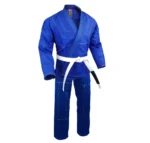
BJJ uniforms are commonly available in white, blue, and black, although specific options can vary between manufacturers and competitions. White gis have a traditional appearance and are widely used in many academies. Blue uniforms are also popular among practitioners and are accepted in many competition settings. Black gis offer another visual option for athletes who prefer a darker uniform. However, competition rules should always be checked before purchasing a gi for tournaments. Some organizations specify which colors are permitted, along with requirements concerning patches, logos, and uniform measurements. Academy policies may also influence your choice because certain schools prefer students to wear specific uniform colors. If you are buying your first BJJ gi, ask your instructor about the preferred color before ordering. Selecting an appropriate color helps ensure that your uniform meets the expectations of your training environment.
11. Look for Breathability and Moisture Management
Brazilian Jiu Jitsu training can be physically demanding, often involving extended periods of movement, grappling, and close contact. This makes fabric comfort and breathability important considerations. A uniform should feel comfortable during exercise and should not create unnecessary irritation. Fabric composition and construction can influence how a gi feels when exposed to sweat and repeated movement. Athletes training in warmer climates may particularly appreciate clothing that feels comfortable during long sessions. However, no fabric can eliminate the need for proper hygiene and regular washing. After training, allow your uniform to dry appropriately before placing it in storage or a gym bag. Follow the manufacturer's washing instructions to help maintain the material and fit. Choosing a gi with suitable fabric characteristics can improve your overall experience and make regular training more comfortable.
12. Choose a Reliable Manufacturer and Supplier
Finding the right uniform is not only about selecting fabric weight and size. The manufacturer also plays an important role in product quality, consistency, and customer experience. A reliable supplier should provide clear product information, accurate sizing details, and useful guidance about materials and construction. Customers should also consider the availability of different styles, customization options, and customer support. Elite Fight Wears is a martial arts uniform and fightwear manufacturer and supplier offering products for athletes, academies, retailers, and international B2B customers. Its range includes Brazilian Jiu Jitsu uniforms and equipment for other martial arts disciplines. When comparing suppliers, review their product specifications and manufacturing services carefully. Businesses purchasing in bulk should also discuss minimum order quantities, samples, branding, production schedules, and shipping arrangements. Choosing a supplier that understands martial arts equipment requirements can make the purchasing process more straightforward.
13. Maintain Your Jiu Jitsu Uniform Properly
Even a high-quality BJJ gi requires regular maintenance to remain comfortable and presentable. Brazilian Jiu Jitsu involves close physical contact, so washing your uniform after every training session is an important hygiene practice. Follow the manufacturer's washing instructions and use a suitable detergent. Avoid unnecessarily high temperatures because some fabrics may shrink or lose their original shape. Air-drying is often a practical option, although the correct method depends on the material and product instructions. Make sure the uniform is completely dry before storing it to prevent unpleasant odors and moisture buildup. Inspect the stitching, collar, sleeves, and trousers regularly for signs of damage. If you notice loose threads or small problems, address them before they become more serious. Proper maintenance helps preserve the appearance, fit, and usability of your uniform. Developing a consistent cleaning routine is especially important for athletes who train several times each week.
14. Balance Price, Quality, and Long-Term Value
Price is naturally an important factor when choosing a Jiu Jitsu uniform, especially for beginners who are purchasing their first gi. However, selecting the cheapest option does not always provide the best long-term value. A low-cost uniform with weak stitching or unsuitable fabric may require replacement sooner than expected. On the other hand, an expensive gi is not automatically the right choice for every athlete. Consider the material, fabric weight, construction, fit, and intended use before comparing prices. If you train regularly, investing in a suitable uniform may provide better value over time. Beginners can start with a practical option that meets their academy's requirements, while experienced practitioners may prefer specialized features. It is also useful to compare care instructions and expected maintenance requirements. Making a balanced decision helps you purchase a gi that fits your budget while providing the comfort and construction you need for regular practice.
15. Conclusion: Find the Right Jiu Jitsu Uniform for Your Journey
Choosing the best Jiu Jitsu uniform requires careful consideration of several important factors. Fabric weight, GSM, weave, sizing, stitching, collar construction, comfort, and maintenance all influence the overall quality and suitability of a BJJ gi. Beginners should focus on finding a comfortable uniform that meets their academy's requirements, while experienced practitioners may have more specific preferences based on their training style and competition goals. Comparing lightweight and heavier options can help you understand which fabric category works best for your needs. It is equally important to purchase from a supplier that provides clear product information and suitable manufacturing standards. A well-chosen gi can support comfortable movement and withstand the demands of regular training when properly maintained. Whether you are beginning your Brazilian Jiu Jitsu journey or improving your existing training equipment, taking time to evaluate your options will help you make a more confident and practical purchasing decision.
Frequently Asked Questions (FAQs)
1. What is the best fabric weight for a BJJ gi?
It depends on personal preference. Lightweight and heavier options offer different experiences, so consider comfort, climate, and training requirements.
2. What does GSM mean in a Jiu Jitsu uniform?
GSM means grams per square metre. It measures fabric weight and helps compare different material options.
3. Is a 350 GSM BJJ gi suitable for beginners?
A lightweight option may suit beginners who prefer comfortable clothing for regular training, provided it meets their academy's requirements.
4. Is a 550 GSM gi better than a 350 GSM gi?
Not necessarily. A 550 GSM fabric is heavier, but the best choice depends on comfort, construction, and individual training preferences.
5. How often should I wash my BJJ uniform?
Wash your gi after every training session to maintain hygiene and remove sweat and dirt.
6. How do I choose the correct BJJ gi size?
Check the manufacturer's size chart and compare your height and weight with the recommended measurements.
If you would like to post a free guest post, visitiyabook to learn more.

 Arabic
 French
 Spanish
 Portuguese
 Deutsch
 Turkish
 Dutch
 Italiano
 Russian
 Romaian
 Portuguese (Brazil)
 Greek