
General Surgery Forceps: Essential Medical Instruments for Every Operating Room
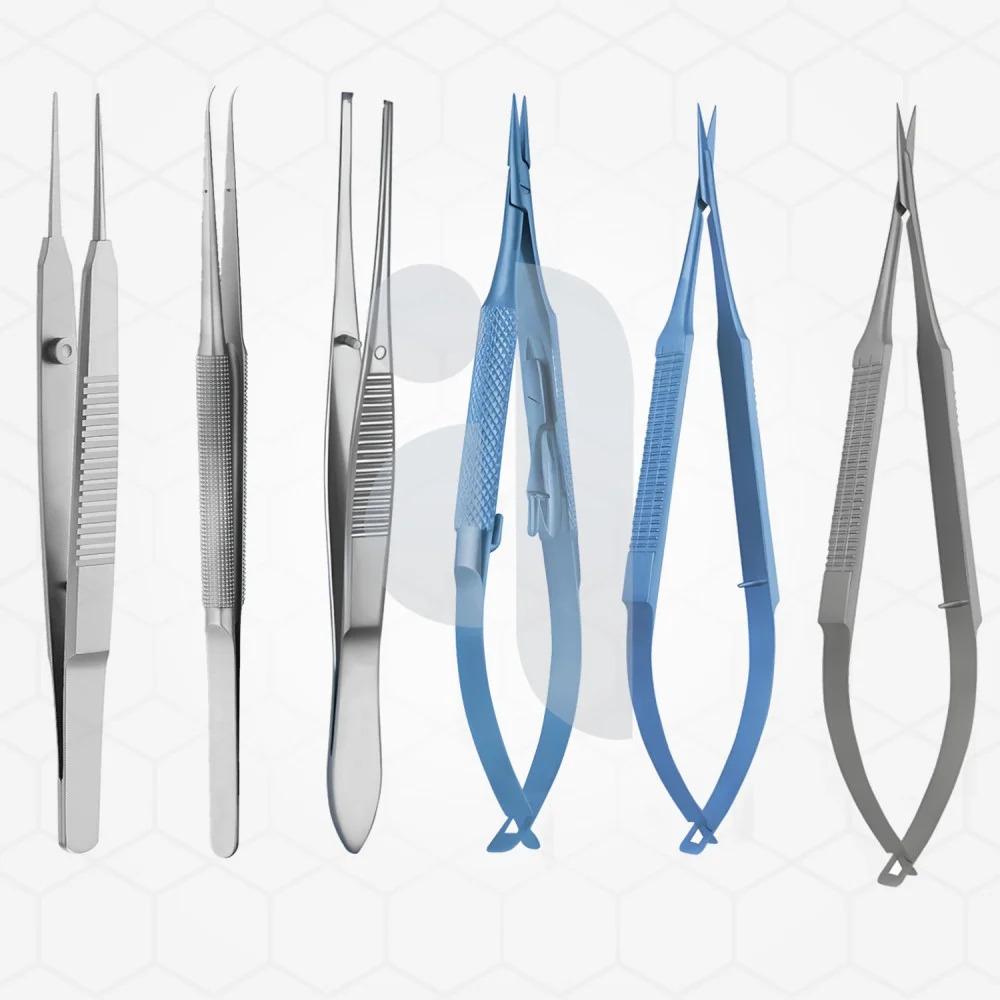
Walk into any operating room and you will find forceps within easy reach of the surgical team. Among the most relied-upon tools in medicine, general surgery forceps are medical instruments that let surgeons grasp, hold, and move tissue with control. From a simple wound repair to a complex abdominal operation, these instruments help surgeons work safely and accurately.
What These Instruments Do
Forceps come in two main styles. Thumb forceps work like tweezers and open on their own when you release pressure. Ring-handled forceps look more like scissors and often include a ratchet that locks them in place. In simple terms, general surgery forceps act as an extension of the surgeon's fingers. They reach places hands cannot and hold tissue steady while the rest of the procedure moves forward.
Common Types in the Operating Room
Each design has its own job. Adson forceps have fine tips for delicate skin closures, while DeBakey forceps feature gentle teeth that protect blood vessels. Kelly and mosquito forceps clamp small vessels to control bleeding. Allis and Babcock forceps hold soft tissue or bowel without slipping. Because every procedure differs, each type of general surgery forceps fills a specific need, and a well-stocked tray gives surgeons the right option at the right moment.
How They Protect Patients
Good technique depends on good tools. When tips line up properly and pressure spreads evenly, tissue stays intact instead of being crushed or torn. Well-designed general surgery forceps reduce tissue trauma, help control bleeding, and support cleaner wound closure. For patients, that can mean less pain, lower infection risk, and faster healing.
Signs of a High-Quality Instrument
Not all forceps perform the same. Look for surgical-grade stainless steel that resists rust and survives repeated sterilization. Check that the jaws meet perfectly and that the serrations grip firmly without snagging. On locking models, the ratchet should click smoothly and hold securely. When you invest in premium general surgery forceps, you gain tools that feel balanced in the hand and stay reliable case after case.
Why Surgeons Trust AzeeMed
AzeeMed focuses on making surgical instruments of the highest quality for the medical community around the globe. With over two decades of experience, we know what surgical teams expect from their tools. Our range covers plastic, dental, ophthalmic, neuro and spine, and orthopedic surgeries. Every pair of incision and drainage kit we craft goes through careful inspection, so you receive instruments built for precision, comfort, and long service.
Caring for Your Forceps
Proper care keeps your instruments performing at their best. Rinse them right after use so blood and debris do not dry on the jaws or hinges. Clean the serrations gently, lubricate moving parts, and inspect the tips before each sterilization cycle. These simple habits can greatly extend the life of your general surgery forceps.
Conclusion
Forceps may look simple, but they play a vital role in nearly every surgical procedure. The right design, sound materials, and precise alignment help surgeons protect tissue and deliver better results for patients. When you choose general surgery forceps from AzeeMed, you get the benefit of more than twenty years of expertise and a firm commitment to quality.

 English
 Arabic
 French
 Spanish
 Portuguese
 Turkish
 Dutch
 Italiano
 Russian
 Romaian
 Portuguese (Brazil)
 Greek