
Hydraulic Hose Repair: Reliable Solutions for Industrial and Heavy-Duty Equipment
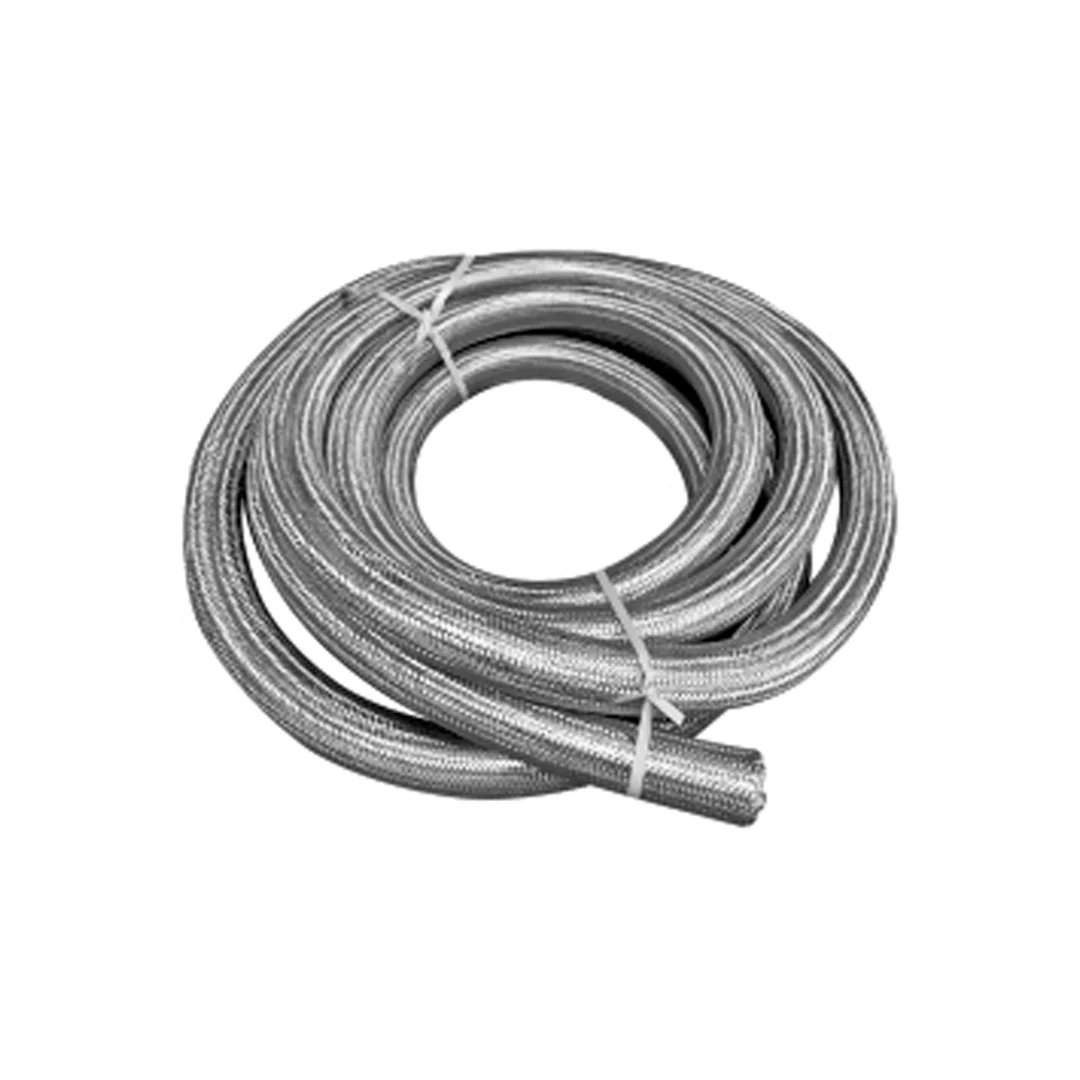
Hydraulic systems are essential to the operation of construction machinery, industrial equipment, commercial vehicles, and many other applications. These systems use pressurised fluid to transmit power, allowing machinery to lift heavy loads, move components, and perform demanding tasks. Hydraulic hoses play a critical role by carrying fluid between pumps, valves, cylinders, and other system components.
However, continuous operation, pressure fluctuations, abrasion, heat, and environmental exposure can cause hoses to deteriorate over time. Damaged hoses may result in fluid leakage, reduced equipment performance, and unexpected downtime. Professional Hydraulic hose repair helps identify hose-related problems and determine whether a hose assembly can be repaired or needs to be replaced.
Understanding the Importance of Hydraulic Hoses
Hydraulic hoses are flexible pressure-carrying components designed to connect different parts of a hydraulic system. They are manufactured in different sizes, pressure ratings, materials, and reinforcement configurations to suit specific applications.
A suitable hose must withstand the system's operating pressure, temperature, fluid type, and movement requirements. Incorrect hose selection or installation can lead to premature failure and potentially dangerous fluid leaks.
Regular inspection helps identify deterioration before it affects equipment operation. Businesses that maintain their hydraulic hoses properly can reduce avoidable failures and improve the reliability of their machinery.
Common Causes of Hydraulic Hose Damage
Hydraulic hoses operate under demanding conditions, and several factors can contribute to damage or failure.
1. Excessive Pressure
Hydraulic hoses are designed for specific pressure limits. Pressure spikes or operation beyond the hose's rated capacity can damage reinforcement layers and increase the risk of rupture.
Selecting a hose with the correct pressure rating and investigating repeated pressure fluctuations are important preventive measures.
2. Abrasion and External Damage
Hoses that rub against metal surfaces, moving components, or other hoses may experience abrasion. Over time, the outer cover can wear away and expose the reinforcement.
Correct hose routing, suitable protective sleeves, and secure clamping can help minimise this type of damage.
3. Excessive Heat
High temperatures can accelerate hose ageing and affect the materials used in its construction. Heat may originate from the surrounding environment, nearby equipment, or the hydraulic fluid itself.
Hoses should be selected and routed according to the application's temperature requirements.
4. Incorrect Installation
Hoses installed with excessive twisting, sharp bends, or insufficient clearance may experience unnecessary stress. Incorrect fitting assembly can also contribute to leakage or premature failure.
Following the manufacturer's installation guidelines helps ensure the hose operates within its intended limits.
5. Ageing and Fluid Compatibility
Hose materials can deteriorate through normal ageing or exposure to incompatible hydraulic fluids and environmental conditions. Cracking, hardening, swelling, and visible deterioration may indicate that replacement is necessary.
The correct hose material should always be selected for the fluid and operating environment.
Signs That Your Hydraulic Hose Needs Attention
Recognising warning signs early can help businesses arrange an inspection before a minor problem becomes a serious equipment failure.
Common indicators include:
-
Visible fluid leakage around a hose or fitting.
-
Cracks, cuts, bulges, or damaged outer covers.
-
Exposed reinforcement or signs of corrosion around connected fittings.
-
Unusual hose movement, rubbing, or excessive vibration.
-
Reduced equipment performance associated with a suspected hydraulic fault.
-
Repeated hose failures in the same location.
A hose that is leaking, bulging, or showing exposed reinforcement should be treated as a serious safety concern. Do not inspect for leaks with bare hands or attempt to stop a pressurised leak manually. Hydraulic fluid can penetrate the skin and cause severe injury.
Shut down the equipment and follow the manufacturer's isolation and depressurisation procedures before arranging a professional inspection.
What Does Professional Hydraulic Hose Repair Involve?
The appropriate repair process depends on the hose's condition, the type of damage, and the requirements of the hydraulic system.
Initial Inspection
A technician assesses the damaged hose, fittings, routing, and surrounding components. This helps determine whether the issue is limited to the hose or may involve another part of the hydraulic system.
Fault Identification
The cause of the failure should be investigated where possible. For example, repeated abrasion may indicate incorrect routing, while recurring ruptures may require further investigation into pressure conditions or hose selection.
Repair or Replacement Assessment
Not every damaged hydraulic hose can be safely repaired. In many cases, replacing the complete hose assembly with a correctly specified component is the appropriate solution.
The replacement must match the system's pressure rating, temperature requirements, fluid compatibility, dimensions, and connection specifications.
Fitting and Installation
Suitable fittings must be assembled using the correct components, equipment, and procedures. The hose should be routed without excessive twisting or bending and should have adequate clearance from hot or moving parts.
Final Checks
Before returning the equipment to service, the technician should verify that the assembly is installed correctly and follow the manufacturer's procedures for checking the system. Any testing must be conducted using appropriate safety precautions.
Benefits of Mobile Hydraulic Hose Repair Services
When hydraulic equipment breaks down at a construction site, factory, warehouse, or remote work location, transporting the machinery to a workshop can create additional delays and costs.
Mobile hydraulic hose services bring selected repair equipment and technical support to the customer's location. Depending on the fault and available equipment, some hose-related issues can be addressed on-site.
Reduced Equipment Downtime
On-site support can reduce the time required to arrange transportation for suitable repairs. Faster intervention may help businesses resume operations sooner when the fault can be resolved at the location.
Greater Convenience
Mobile services can be useful for equipment that is difficult to move, including heavy machinery, industrial vehicles, and equipment installed within a facility.
Improved Operational Efficiency
Addressing hose damage promptly can help reduce interruptions to production, construction schedules, and routine maintenance activities.
Support for Multiple Applications
Mobile hose services may support a range of hydraulic equipment, depending on the provider's service capabilities, available fittings, and the specific requirements of the application.
It is important to confirm service coverage, component availability, and whether the fault can be resolved on-site before arranging a visit.
How to Prevent Recurring Hydraulic Hose Failures
Preventive maintenance is an important part of managing hydraulic equipment. While hoses naturally experience wear over time, appropriate inspection and installation practices can help reduce avoidable failures.
Inspect hoses regularly: Check for visible damage, leakage, abrasion, and deterioration according to the equipment manufacturer's maintenance schedule.
Use compatible components: Ensure that hoses and fittings meet the hydraulic system's pressure, temperature, and fluid requirements.
Maintain correct routing: Avoid sharp bends, twisting, excessive tension, and contact with abrasive surfaces.
Monitor operating conditions: Investigate repeated failures, abnormal pressure fluctuations, excessive heat, and unusual vibration.
Replace deteriorated assemblies: Do not continue using hoses that show serious signs of damage or have exceeded their recommended service limits.
Keep maintenance records: Recording hose replacements, failure locations, and operating conditions can help identify recurring problems and support more effective maintenance planning.
These practices should complement, not replace, the manufacturer's inspection and maintenance requirements.
Choosing the Right Hydraulic Hose Repair Provider
Selecting a suitable service provider is important for equipment safety and long-term reliability.
Look for a provider that understands hydraulic hose specifications, uses compatible replacement components, follows safe working procedures, and can explain the recommended solution. The ability to provide mobile support may also be valuable for businesses operating machinery across multiple locations.
Before requesting service, prepare details such as the equipment type, hose dimensions if known, operating pressure, connection type, location, and a description of the damage. Photographs may help with an initial assessment, but they do not replace a professional inspection.
Hydraulic Hose Support from Inflex Hydraulics
Businesses experiencing hose damage or hydraulic leakage can explore the mobile hose van service offered by Inflex Hydraulics. The service page provides information to help customers investigate available support for hydraulic hose-related requirements.
Before arranging a visit, confirm the service location, availability, nature of the fault, and whether the necessary components and repairs can be provided on-site.
To learn more, visit Hydraulic hose repair.
Conclusion
Hydraulic hoses are essential to the safe and efficient operation of hydraulic equipment. Damage caused by pressure fluctuations, abrasion, heat, ageing, or incorrect installation can lead to leakage, equipment downtime, and potential safety hazards.
Timely inspection and professional hydraulic hose repair help determine the correct course of action, whether that involves replacing a damaged assembly, correcting installation issues, or investigating an underlying system fault.
Businesses can also benefit from preventive maintenance, suitable hose selection, and correct routing practices to reduce recurring failures. If your equipment is experiencing a hydraulic hose problem, explore the mobile hose van service from Inflex Hydraulics to review the available support options.

 English
 Arabic
 French
 Spanish
 Portuguese
 Deutsch
 Turkish
 Dutch
 Italiano
 Romaian
 Portuguese (Brazil)
 Greek