
What Students Should Know Before Starting a Drone Training Programme
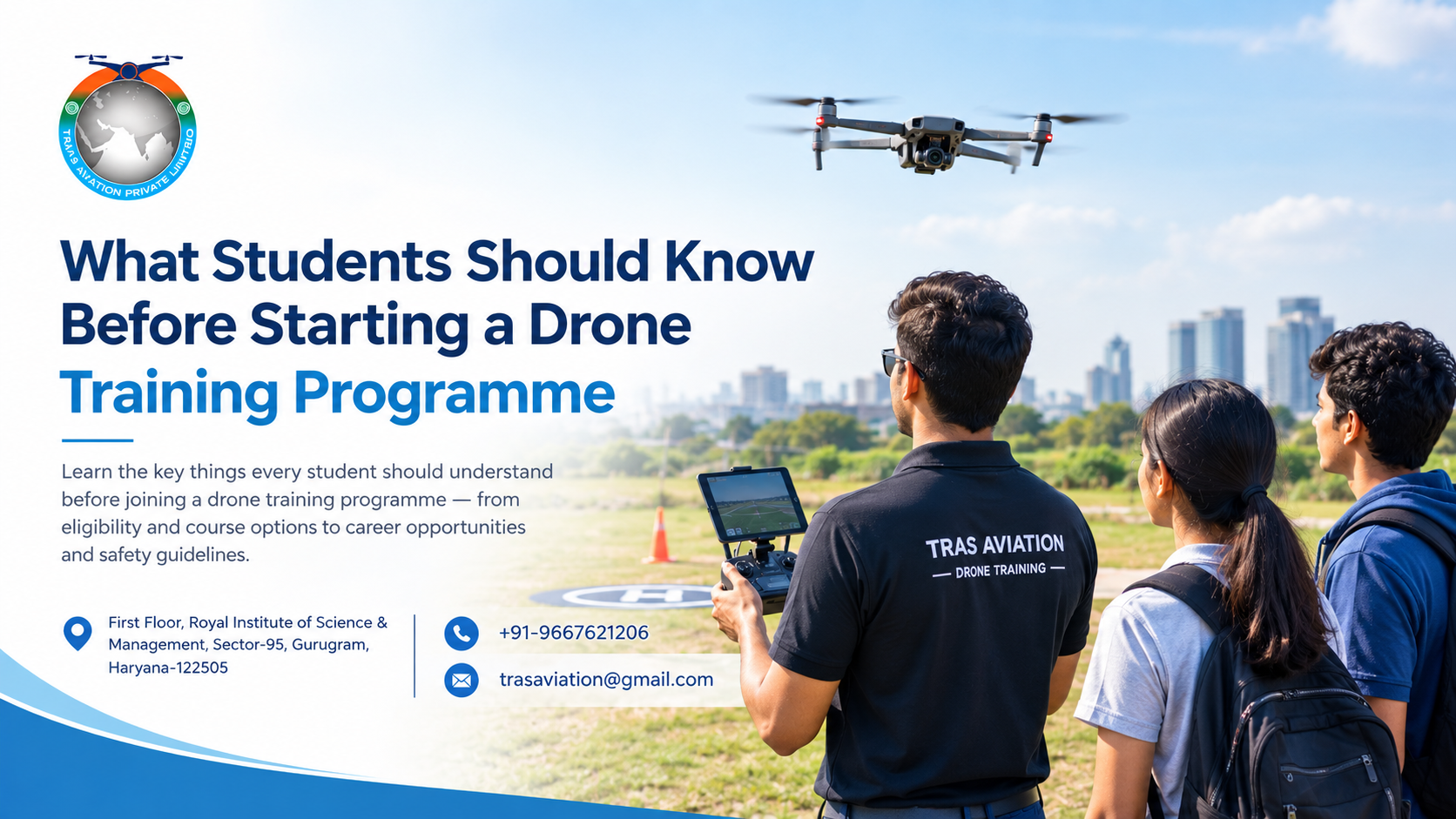
The growing popularity of unmanned aircraft has encouraged many students to explore drone technology as a potential career option. Drones are now being used for applications that range from aerial photography and surveying to agriculture, infrastructure inspection, mapping and specialised industrial operations. This expansion has created a need for people who can operate, understand and maintain these systems responsibly.
For a student, beginning drone training can be an exciting step, but it is important to understand what professional training actually involves. Flying a drone is only one element of the learning process. Students also need to develop awareness of regulations, safety, flight planning, aircraft systems, environmental conditions and emergency procedures.
Start With a Clear Understanding of Your Goal
Before enrolling in any training programme, students should consider why they want to learn about drones. Some may be interested in becoming professional operators, while others may want to work in surveying, photography, agriculture, inspection or technical maintenance.
Having a general idea of the intended career direction can make the selection process easier. A student who wants to work with aerial data may require different training from someone who is more interested in repairing and maintaining aircraft.
Students should also research the background and regulatory standing of potential training providers. Choosing a dgca approved drone training institute can be an important factor for learners who want to understand drone operations in accordance with the applicable regulatory framework.
Understand the Role of Safety in Drone Operations
Safety should be one of the first concepts introduced during drone training. Even relatively small unmanned aircraft can cause damage or injury if operated carelessly. Professional operators therefore need to develop habits that put preparation and risk awareness before take-off.
A proper pre-flight routine may include checking the aircraft, propellers, battery condition, control systems and operating environment. Weather conditions should also be considered because wind, rain, visibility and other environmental factors can influence flight performance.
Students should learn to recognise when conditions are unsuitable for a planned operation. Developing the confidence to postpone or cancel a flight when safety requirements cannot be met is an important part of responsible drone operation.
Learn How the Aircraft Works
Understanding the basic technology behind a drone can make students more capable operators. An unmanned aircraft may contain motors, propellers, batteries, sensors, flight controllers, communication equipment and other electronic systems. These components work together to maintain flight and respond to the pilot's commands.
A basic knowledge of these systems can help students identify potential issues before they become larger problems. For example, recognising unusual motor behaviour, damaged propellers or battery concerns can encourage an operator to inspect the aircraft before attempting a flight.
Students who want to take their technical understanding further can consider drone repair and maintenance courses in India. Technical training can introduce learners to inspection, troubleshooting, component replacement and maintenance practices. These skills may be useful for those considering careers that involve drone servicing and technical support.
Practical Training Matters
Reading about drone operations can provide useful theoretical knowledge, but practical exposure allows students to understand how that knowledge applies to real situations. Supervised practice can help learners become familiar with aircraft controls, take-off and landing procedures, basic manoeuvres and safe operating practices.
Practical training should not be treated simply as an opportunity to fly for longer periods. Students should use the experience to understand procedures and develop consistency. They should also learn how to respond when conditions change or when the aircraft does not behave as expected.
A structured practical environment can therefore help students develop confidence without encouraging unnecessary risks. Over time, repeated practice combined with theoretical learning can strengthen operational awareness.
Exploring Small Drone Certification
Students who are particularly interested in smaller unmanned aircraft may want to explore specialised certification programmes. A Small Class Drone Certification Course can help learners focus on the knowledge and practices relevant to smaller drone operations.
Certification-oriented training can also help students understand the importance of following the applicable requirements rather than assuming that all drones can be operated in exactly the same way. Aircraft type, intended operation and regulatory requirements can influence how a drone should be used.
For beginners, a focused programme can provide a structured introduction before they decide whether they want to move towards more specialised applications. It can also help them understand whether drone operations are genuinely suited to their interests and career plans.
Regulations and Responsible Operations
Regulatory awareness is an essential part of professional drone education. Students should understand that drone operations take place within an established aviation framework. Depending on the type of operation, aircraft and location, different requirements may apply.
Learning these requirements early can help students avoid developing unsafe or incorrect habits. It also encourages them to treat drone operations as a professional responsibility rather than simply a recreational activity.
TRAS Aviation helps learners explore the operational and technical aspects of drone education through structured training. Students can use this type of learning environment to build their understanding gradually and ask questions about areas that may otherwise be difficult to understand independently.
Student and Counsellor Conversation
Student: I want to build a career around drones, but I am confused about where to begin. What should I do first?
Counsellor: Start by identifying what interests you most. Decide whether you are more interested in flying, surveying, photography, technical maintenance or another application. This will help you select suitable training.
Student: Is practical flying more important than theory?
Counsellor: Both are important. Practical training develops operational skills, while theory helps you understand safety, regulations, aircraft systems and decision-making.
Student: I am worried that I have no technical background.
Counsellor: You do not necessarily need advanced technical knowledge to begin. A structured course can introduce you to the basic systems and gradually build your understanding.
Student: Should I choose a specialised course immediately?
Counsellor: That depends on your goals. Beginners can start with foundational training, while students with a clear area of interest can consider specialised programmes that match their objectives.
Frequently Asked Questions
1. What should I learn before starting drone training?
Students should have an interest in aviation or technology and be willing to learn about safety, regulations, aircraft systems and practical operations. Advanced technical knowledge is not always required to begin.
2. Is drone flying the only skill required for a career?
No. Professional drone work can require knowledge of regulations, flight planning, safety, equipment, data collection and technical maintenance depending on the chosen career path.
3. Why should students learn about drone maintenance?
Maintenance knowledge can help students understand how drone components work, recognise possible equipment problems and follow better inspection and care practices.
4. Is certification important for drone students?
Certification can be an important part of a student's training depending on the type of drone operation and applicable requirements. Students should always check what certification is relevant to their intended activity.
5. How can I select the right drone training programme?
Compare the curriculum, practical exposure, instructor experience, certification, regulatory alignment and technical content. Most importantly, make sure the programme supports your intended career direction.
Conclusion
Starting drone training can be the beginning of a rewarding learning journey, but students should approach the field with realistic expectations. Professional drone operations involve much more than controlling an aircraft. Safety, regulations, technical knowledge, planning and practical experience all contribute to becoming a capable operator.
Students who take time to understand their goals and select suitable training can develop a stronger foundation for the future. Whether their interest lies in drone operations, technical maintenance or specialised applications, systematic learning can help them turn an interest in drone technology into useful professional skills.

 English
 Arabic
 French
 Spanish
 Portuguese
 Deutsch
 Turkish
 Dutch
Dutch
 Italiano
 Romaian
 Portuguese (Brazil)
 Greek
Greek