
How to Choose the Right Truckload Company for Reliable Freight Transportation
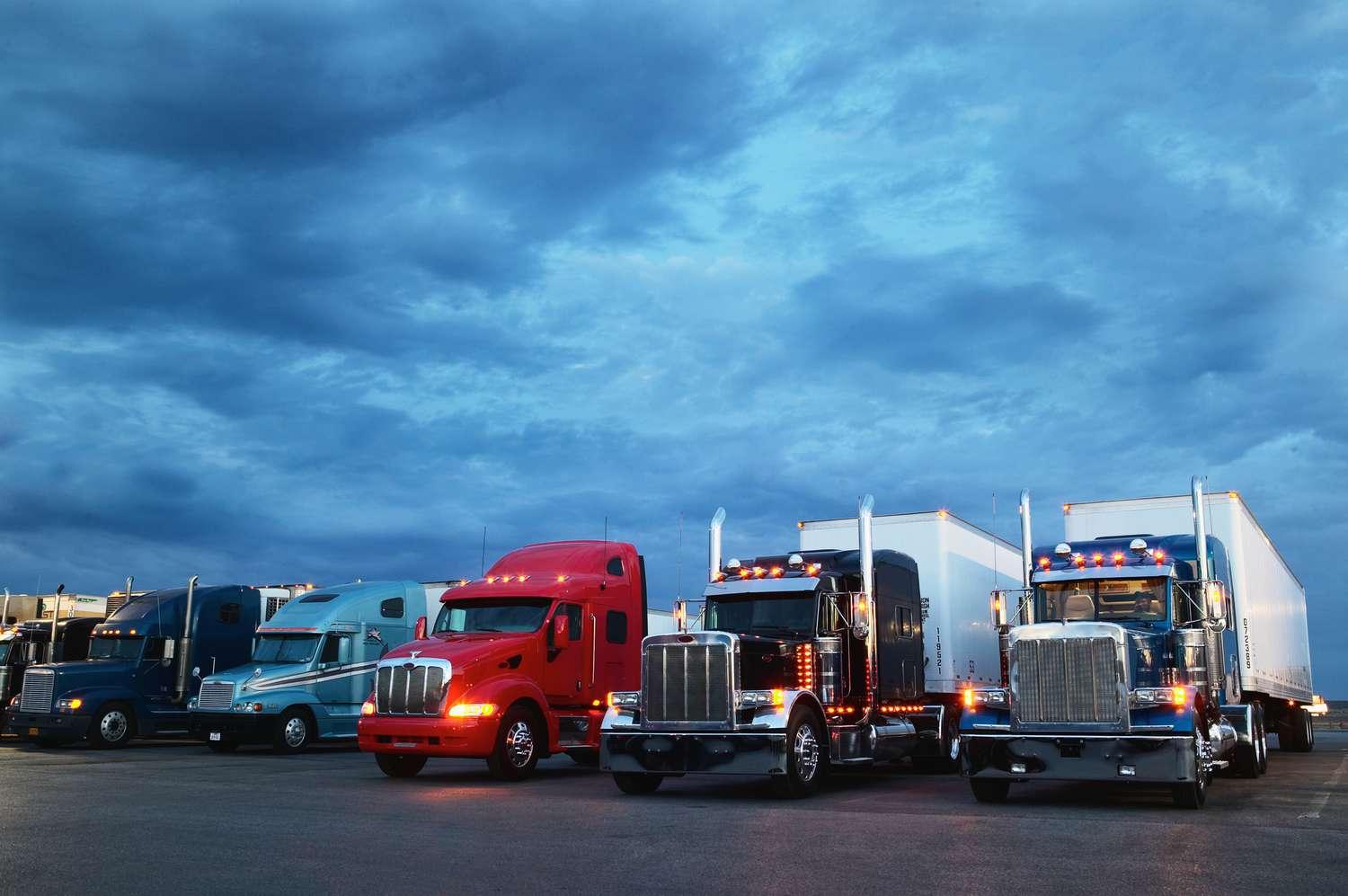
Moving freight efficiently is an essential part of running a successful business. Manufacturers need raw materials to arrive on schedule, distributors must replenish inventory, and retailers depend on reliable transportation to keep products moving through their supply chains. When shipments occupy substantial trailer space or require dedicated transportation, choosing the right truckload provider becomes especially important.
The right truckload services partner can help businesses coordinate shipments, select suitable equipment, manage delivery schedules, and maintain better communication throughout the transportation process. For companies shipping across Canada, the United States, and Mexico, these capabilities can also support more consistent freight planning across domestic and cross-border routes.
SSP Group provides freight transportation solutions through its company-owned fleet and vetted carrier network, supporting truckload, less-than-truckload, specialized freight, and cross-border transportation. Understanding how truckload shipping works can help businesses determine which transportation model best suits their operations.
What Are Truckload Services?
Truckload shipping is a freight transportation method in which a shipment receives dedicated trailer capacity rather than sharing space with freight from multiple customers.
This approach can be suitable for large shipments, time-sensitive appointments, specialized cargo, or freight that benefits from fewer handling points. Depending on the cargo, a shipment may move in an enclosed dry van, flatbed, step deck, Conestoga trailer, or specialized heavy-haul equipment.
Unlike less-than-truckload shipping, which consolidates smaller shipments through a shared network, truckload transportation generally moves freight as a single shipment from origin to destination.
Businesses may consider truckload transportation when they need:
-
Dedicated trailer capacity for larger shipments.
-
Equipment suited to particular cargo dimensions or loading requirements.
-
Coordinated pickup and delivery appointments.
-
A transportation plan designed around a specific freight lane.
-
Clear communication about shipment progress and exceptions.
-
Transportation support for domestic or cross-border freight.
The most appropriate option depends on shipment size, cargo characteristics, delivery requirements, route conditions, and budget.
Why Choosing the Right Truckload Company Matters
A transportation provider does more than supply a truck and driver. Its planning, dispatch, communication, and problem-solving processes can influence how smoothly freight moves through the supply chain.
Selecting an appropriate truckload company can help businesses establish clearer expectations before shipping begins and reduce avoidable complications during transportation.
1. Better Freight Planning
Effective freight planning begins with understanding the shipment. Weight, dimensions, loading methods, delivery appointments, and site restrictions all influence the transportation arrangement.
For example, palletized consumer products may be suitable for an enclosed dry van, while steel, lumber, or industrial machinery may require open-deck equipment.
A provider that evaluates these details before dispatch can help match the shipment to suitable equipment and identify practical concerns early.
2. More Control Over Shipment Handling
Dedicated trailer capacity can reduce the need to combine freight with other customers' shipments. This can be beneficial when cargo requires specific handling arrangements or when the shipper wants a more direct transportation plan.
However, dedicated capacity does not automatically eliminate every risk. Proper loading, securement, packaging, documentation, and communication remain essential throughout the journey.
3. Improved Scheduling and Coordination
Businesses frequently coordinate freight deliveries with production schedules, warehouse appointments, construction projects, or retail replenishment requirements.
A truckload provider should understand the requested pickup and delivery windows and communicate any known constraints. When a delay occurs, timely updates can help receiving teams adjust labour, dock schedules, and inventory plans.
4. Clearer Communication
Shipment visibility is most useful when updates explain what is happening and what action may be required.
Businesses should look for a provider that can communicate important milestones, identify exceptions, and establish responsibility for resolving issues. This helps logistics teams plan around the shipment rather than relying on uncertain arrival expectations.
Understanding Different Full Truckload Services
Not every shipment requires the same trailer or transportation arrangement. Selecting the right equipment is an important part of planning full truckload services.
Dry Van Truckload
Dry van trailers are enclosed and commonly used for palletized products, packaged goods, retail inventory, and many types of manufacturing freight.
The enclosed design protects cargo from direct exposure to weather during transit. Dry van transportation is often appropriate when freight does not require temperature control or specialized loading access.
Flatbed Truckload
<AsyncImage query="flatbed semi truck securely transporting steel construction materials freight highway" aspectRatio="16:9" width="100%" />
Flatbed trailers provide open access to cargo and can accommodate goods that are difficult to load into enclosed trailers.
Common examples include steel products, lumber, construction materials, machinery, and industrial components. Loading and securement must be planned carefully, and weather exposure should be considered when selecting this option.
Step Deck Transportation
A step deck trailer has a lower main deck than a standard flatbed. This configuration can accommodate certain taller loads that would exceed the practical height limits of a conventional flatbed arrangement.
Equipment selection should account for cargo height, overall dimensions, route clearances, and applicable transportation regulations.
Conestoga and Roll-Tite Trailers
These trailers combine open-deck loading flexibility with a movable covering system. They can be useful for freight that requires easier loading access while also needing protection from weather exposure.
The suitability of this equipment depends on cargo dimensions, loading procedures, and the level of protection required.
Heavy Haul and Specialized Equipment
Oversized or overweight freight may require specialized trailers, route assessments, permits, and additional coordination.
Construction machinery, large industrial units, and other unusually heavy cargo should be evaluated before transportation is arranged. Businesses should provide accurate dimensions and weights so the carrier can assess equipment and route requirements.
SSP Group offers several truckload equipment options through its freight services, allowing businesses to discuss equipment selection according to their shipment requirements.
How to Evaluate Truckload Companies Before Booking
Choosing a provider based only on a quoted rate can overlook important differences in equipment availability, service coordination, and operational support.
Before making a decision, consider the following factors.
Review Equipment Availability
Ask whether the provider can accommodate your cargo using the required trailer type. If your freight needs a flatbed, step deck, or specialized equipment, confirm availability before committing to a pickup date.
Businesses with recurring shipments should also discuss how the provider handles changes in volume, seasonal demand, or additional lanes.
Understand Geographic Coverage
A company transporting freight within Ontario may have different capabilities from one managing shipments across Canada, the United States, and Mexico.
If your business ships internationally, ask how cross-border documentation, customs coordination, border handoffs, and communication will be managed.
Confirming these arrangements early can help prevent avoidable disruptions caused by incomplete information or unclear responsibilities.
Ask About Tracking and Updates
Find out how shipment status is communicated and who should be contacted if the schedule changes.
Useful updates should provide practical information about pickup, transit milestones, delays, and delivery progress. For recurring freight, consistent communication can make it easier to coordinate receiving schedules and inventory planning.
Compare the Complete Quote
A freight quote should be assessed in relation to the service being provided, not simply its headline price.
Confirm the agreed transportation scope, equipment requirements, pickup and delivery locations, appointment conditions, and any applicable additional charges. Depending on the shipment, costs may be affected by waiting time, special handling, permits, or other accessorial requirements.
Clear pricing assumptions help businesses compare providers more accurately.
Check Communication and Accountability
Ask how exceptions are handled, who manages shipment updates, and what happens if a pickup or delivery cannot proceed as planned.
A defined communication process can be particularly valuable for shipments supporting production schedules, customer commitments, or construction deadlines.
When Should a Business Use Full Truckload Shipping?
Full truckload shipping is often appropriate when a shipment requires dedicated trailer capacity or benefits from being transported as a single, coordinated movement.
Businesses may consider this option in several situations.
Large-volume shipments: When a shipment occupies a substantial portion of a trailer, dedicated transportation may make more sense than shared capacity.
Production replenishment: Manufacturers may need raw materials, components, or finished products moved according to a coordinated schedule.
Retail and distribution: Businesses replenishing distribution centres or moving large quantities of inventory may benefit from a dedicated load.
Industrial and construction freight: Materials, equipment, and machinery may require particular trailer types or loading arrangements.
Cross-border freight: Shipments moving between Canada and the United States, or onward to Mexico, may need coordinated transportation and documentation.
Full truckload is not always the most economical choice. Smaller shipments that can be safely consolidated may be better suited to less-than-truckload transportation. A suitable provider should help evaluate the shipment rather than automatically recommending a dedicated trailer.
How SSP Group Supports Freight Transportation Across North America
SSP Group operates an asset-backed freight network combining company-owned fleet capacity with vetted carrier partners. Its transportation services support freight movement across Canada, the United States, and Mexico.
For businesses evaluating a truckload company, SSP Group offers truckload options based on cargo requirements, equipment selection, shipment lanes, and delivery conditions.
Its capabilities include:
-
Dry van and flatbed truckload transportation.
-
Step deck and Conestoga equipment options.
-
Specialized and heavy-haul freight solutions.
-
Less-than-truckload services for suitable smaller shipments.
-
Cross-border transportation coordination.
-
Shipment planning and communication throughout the move.
This range of services gives businesses an opportunity to discuss different transportation requirements with a provider that handles multiple freight categories.
Companies can explore the available options on the official SSP Group full truckload services page.
Practical Ways to Improve Your Truckload Shipping Process
Businesses can improve transportation planning by preparing accurate shipment information before requesting a quote.
Provide Complete Shipment Details
Include the origin, destination, commodity, weight, dimensions, pallet count, loading method, and required delivery date. Accurate information helps the provider determine the appropriate equipment and identify potential constraints.
Coordinate Pickup and Delivery Appointments
Confirm when the freight will be ready, whether loading assistance is available, and whether the receiving location requires a scheduled appointment.
Warehouses and industrial sites may have specific rules concerning vehicle access, dock availability, and unloading procedures.
Prepare Documentation Early
Ensure that shipment documents contain accurate descriptions, quantities, weights, and other required information. Cross-border freight may require additional commercial and customs documentation, depending on the shipment and applicable regulations.
Build Realistic Timelines
Transit planning should account for route distance, operating conditions, border requirements, appointment windows, and other relevant factors. Avoid treating an estimated transit time as a guarantee unless the provider has explicitly committed to the service level.
Review Recurring Freight Performance
For businesses shipping regularly, reviewing delivery performance, communication quality, accessorial charges, and recurring delays can help identify opportunities to improve the transportation process.
Sharing these findings with the provider may support better planning for future loads.
Conclusion
Choosing the right truckload provider can make freight transportation easier to plan, coordinate, and monitor. Businesses should evaluate equipment availability, geographic coverage, shipment visibility, communication, pricing, and the provider's ability to meet their specific transportation requirements.
The best truckload services solution depends on the cargo being moved, the distance involved, and the delivery conditions that must be met. While full truckload transportation can offer dedicated capacity and a more direct shipping arrangement, less-than-truckload or specialized services may be more appropriate for other shipments.
SSP Group supports freight transportation across Canada, the United States, and Mexico through its company-owned fleet and vetted carrier network. By sharing accurate shipment details and discussing equipment and scheduling requirements in advance, businesses can make more informed freight decisions and build a more dependable shipping process.

 English
 Arabic
 French
 Spanish
 Portuguese
 Deutsch
 Turkish
 Dutch
 Italiano
 Russian
 Portuguese (Brazil)
 Greek