
Sign Works: Commercial Interior Lighting for Productive and Professional Business Spaces
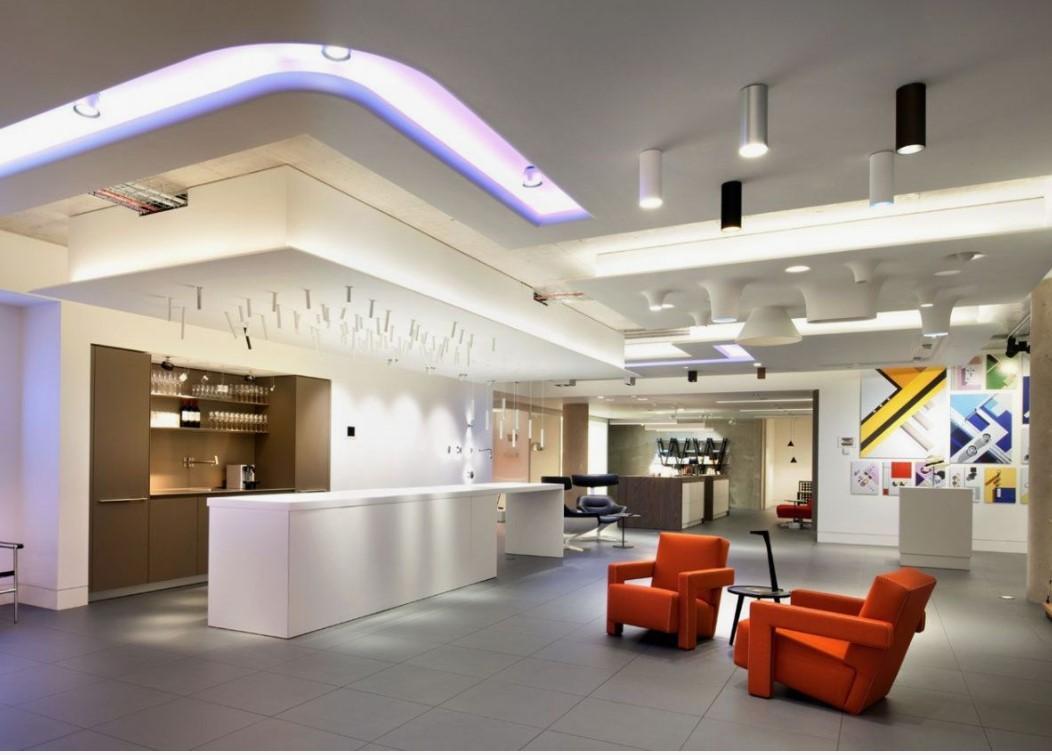
The interior of a commercial building influences how employees work, how customers experience a business, and how visitors perceive its professionalism. Lighting plays an important role in shaping this environment because it affects visibility, comfort, and the way interior features appear throughout the day. From office reception areas and retail displays to meeting rooms and industrial workspaces, a suitable lighting arrangement helps people use a space more effectively. Sign Works operates in the commercial signage and lighting industry, where lighting solutions can complement a business's physical identity and create a more cohesive environment.
Choosing commercial interior lighting requires an understanding of the activities taking place inside a building. A retail store may need focused illumination to present products clearly, while an office might require balanced lighting for computer work, meetings, and collaboration. Restaurants, showrooms, and industrial facilities have their own functional and visual requirements. Instead of relying on one lighting arrangement for every area, businesses can evaluate room layouts, available daylight, ceiling height, and operational needs to develop a practical lighting plan that supports the purpose of each space.
Understanding the Role of Lighting in Business Interiors
Lighting affects more than the brightness of a room. It influences how clearly people can see signs, read documents, navigate corridors, and identify important features within a building. An office with poorly distributed lighting may contain distracting glare or uncomfortable dark areas, while a retail environment with insufficient illumination can make products harder to examine. A well-planned system considers both the overall brightness of a space and the specific tasks performed within it, helping businesses create an interior that feels organized and functional.
Businesses should evaluate lighting requirements according to each room's purpose rather than applying identical fixtures throughout the property. Reception areas may benefit from a welcoming atmosphere, whereas conference rooms need adaptable illumination for presentations and discussions. Storage areas may prioritize practical visibility, and corridors require clear lighting that supports movement. By identifying these different requirements early, property managers can select appropriate fixtures and controls. This approach also makes it easier to balance appearance, operating costs, and everyday usability without adding unnecessary complexity.
Choosing the Right Lighting for Offices and Workspaces
Office lighting should provide suitable visibility for reading, writing, computer use, and collaborative activities. Overhead fixtures can provide general illumination, while task lighting can help employees work with printed documents or perform detailed activities. The placement and intensity of fixtures matter because reflections on computer screens and direct glare can make a workspace less comfortable. Businesses should assess desk arrangements, monitor positions, window locations, and ceiling conditions before choosing a layout that distributes light effectively across the working environment.
A thoughtfully designed office can also use different lighting settings for different activities. Meeting rooms may need brighter illumination during discussions and more controlled lighting for presentations, while shared areas can benefit from a balanced atmosphere that supports conversation and movement. Suitable controls allow staff to adjust lighting where flexibility is useful. When reviewing commercial interior lighting, businesses should consider employee comfort alongside energy consumption and maintenance requirements. The objective is to create a practical workplace where lighting supports the work being performed rather than becoming a source of distraction.
Enhancing Retail Displays and Customer Experiences
In retail environments, lighting helps customers see products, compare details, and understand how merchandise is presented. General lighting provides visibility throughout the store, while accent lighting can draw attention to selected displays, promotional areas, or featured products. The relationship between these layers can influence the overall shopping experience. Excessively bright fixtures may create glare on glass or glossy packaging, whereas uneven illumination can leave shelves and product areas difficult to examine. Retailers should plan their lighting around product types, display arrangements, and customer movement.
A consistent lighting approach can also strengthen the visual identity of a retail business. The color appearance of lighting affects how products, finishes, and brand colors are perceived, making fixture selection an important consideration. Businesses should test lighting under realistic operating conditions and check how it interacts with natural daylight. Display layouts may change seasonally, so flexible track lighting or adjustable fixtures can be useful in suitable applications. By coordinating lighting with signage, interior finishes, and merchandising, retailers can create a clearer and more engaging presentation for visitors.
Improving Reception Areas and Commercial Interiors
Reception areas often form the first indoor impression of a business. Lighting in these spaces should help visitors identify the reception desk, read directional signs, and move comfortably toward the appropriate destination. A combination of general illumination and carefully positioned decorative or accent fixtures can create a professional atmosphere without making the space feel overly bright. Lighting can also emphasize a company logo or branded wall, helping the interior reflect the same identity used on exterior signs and other business materials.
Other shared spaces, including corridors, waiting areas, break rooms, and conference facilities, also benefit from lighting designed around their intended use. Corridors need consistent visibility, while waiting areas may call for a more relaxed appearance. Conference rooms often require controls that accommodate presentations, video calls, and in-person meetings. Businesses should consider the complete visitor journey when planning these spaces, ensuring that lighting transitions naturally between different areas. Coordinating fixtures with interior signage and architectural details can improve navigation while maintaining a unified visual style.
Exploring Energy-Efficient Lighting Options
Lighting can represent a continuing operating expense for commercial buildings, particularly where fixtures remain switched on for long periods. LED technology is widely used in commercial applications because suitable LED products can deliver efficient illumination and a long service life compared with many traditional alternatives. However, actual savings depend on the existing installation, fixture quality, operating hours, electricity rates, and maintenance practices. Businesses should compare the total cost of ownership rather than judging options solely by their initial purchase price.
Lighting controls can further improve energy management. Occupancy sensors may reduce unnecessary illumination in selected rooms, while daylight sensors can adjust lighting where natural light is sufficient. Dimming systems can provide additional flexibility when compatible with the installed fixtures and the needs of the space. Before upgrading, property managers should assess existing wiring, fixture compatibility, lighting levels, and expected usage patterns. A well-considered energy plan can help reduce wasted electricity while preserving appropriate visibility and maintaining a comfortable environment for employees and visitors.
Planning Lighting Installation and Maintenance
Successful lighting installation begins with an assessment of the commercial space. Ceiling height, room dimensions, mounting locations, electrical infrastructure, furniture arrangements, and existing daylight can all affect fixture selection. Businesses should also consider how installation will affect normal operations, particularly in offices, shops, and facilities that remain open during the day. Coordinating the work schedule, confirming equipment requirements, and checking applicable electrical regulations can help reduce disruption and support a reliable installation process.
Maintenance is equally important because fixtures and electrical components can deteriorate with use. Dust buildup, damaged fittings, inconsistent illumination, and failing components may affect the appearance and performance of the lighting system. Regular inspections help identify problems and determine when cleaning, repairs, or replacements are needed. Property managers should keep records of fixture types, installation dates, and maintenance work to make future decisions easier. Sign Works' involvement in commercial lighting makes these practical considerations relevant for businesses evaluating lighting improvements alongside other signage and visual presentation needs.
Integrating Lighting With Business Branding
Interior lighting can support a company's visual identity when it is coordinated with signage, architectural features, and branded displays. A reception logo, directional sign, product display, or feature wall may become easier to notice when illumination is planned around its placement. This does not mean every branded element needs a separate spotlight. Instead, the aim is to establish a visual hierarchy that helps visitors identify important information without creating excessive brightness or distracting contrasts.
Businesses updating their interiors should review lighting and signage together rather than treating them as unrelated projects. A new reception sign, revised office layout, or renovated retail display may change how existing fixtures perform. Reviewing these elements as a complete system can reveal opportunities to improve visibility, reduce redundant lighting, and maintain consistent branding. A coordinated approach helps businesses make practical decisions about their interiors while ensuring that visual features serve a clear purpose.
Conclusion
Effective lighting helps commercial interiors remain functional, comfortable, and visually consistent. From office workstations and retail displays to reception areas and shared facilities, every space has distinct requirements that influence fixture selection, placement, and control options. Businesses can improve their lighting plans by assessing how rooms are used, considering energy efficiency, addressing glare, and arranging regular maintenance. Coordinating illumination with interior signage and branding can also create a more organized experience for employees, customers, and visitors.
For organizations planning an interior upgrade, commercial interior lighting should be viewed as a practical investment in the usability and presentation of their premises. Sign Works operates in the commercial signage and lighting sector, making coordinated lighting and visual branding important considerations for business environments. By selecting appropriate fixtures, planning installation carefully, and reviewing performance over time, businesses can develop interior spaces that support daily activities while maintaining a professional appearance.

 English
 Arabic
 French
 Spanish
 Portuguese
 Deutsch
 Turkish
 Dutch
Dutch
 Italiano
 Russian
 Romaian
 Portuguese (Brazil)