
What Should Men Know Before Gynecomastia Surgery?
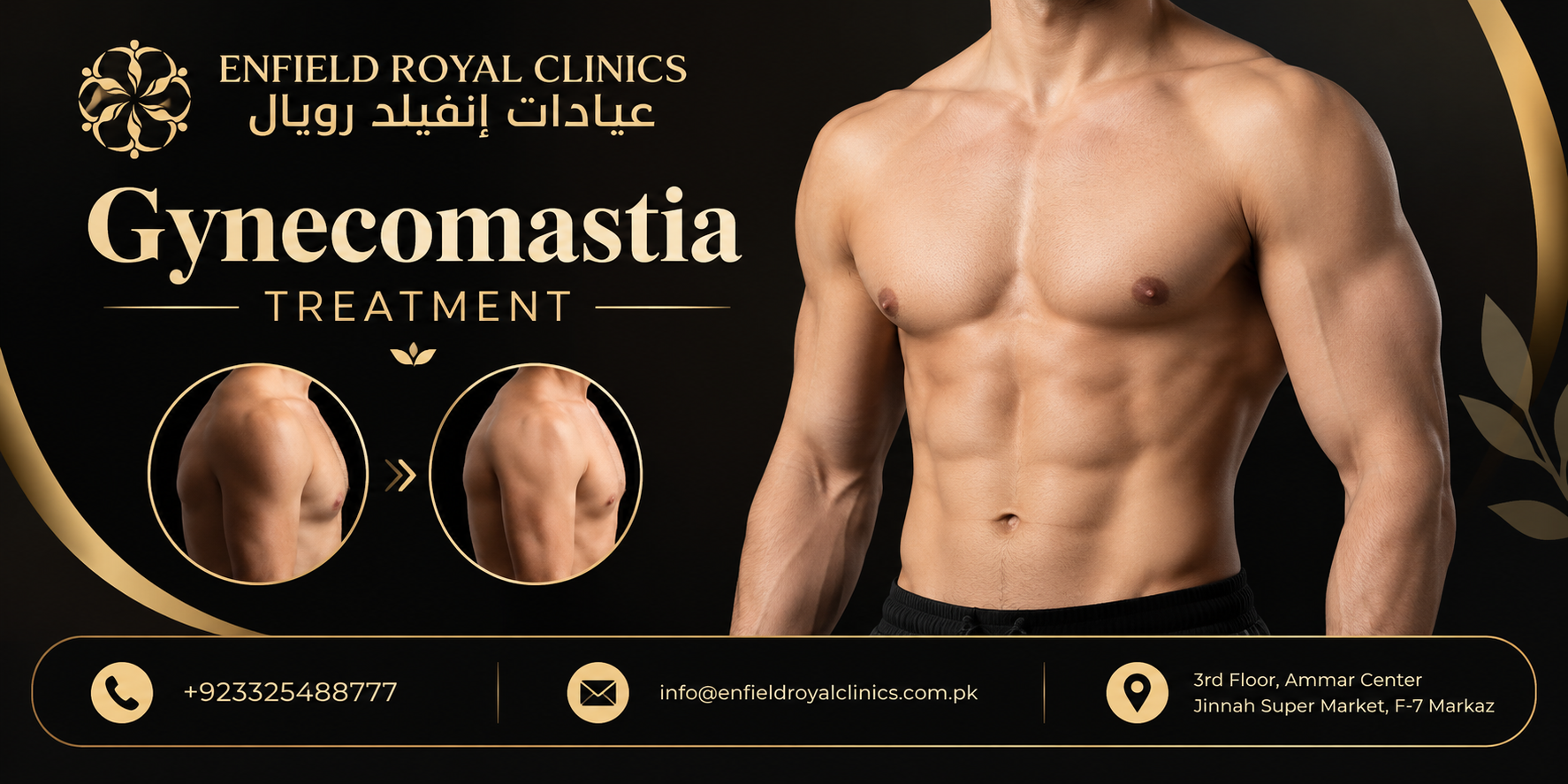
Gynecomastia is a condition that causes enlarged male breast tissue and can affect the shape, proportion, and appearance of the chest. Some men experience mild fullness, while others develop more noticeable glandular tissue or excess fat around the chest. Although gynecomastia is often harmless, it can affect clothing choices, confidence, and comfort in daily life.
For men considering Gynecomastia in Islamabad, understanding the procedure before making a decision is important. Knowing how surgery works, what preparation involves, how recovery progresses, and what results can realistically be expected can make the overall experience easier to manage.
Gynecomastia surgery is generally designed to reduce unwanted chest tissue and create a flatter, more balanced contour. However, every case is different, so treatment planning depends on the individual's chest structure, tissue composition, skin quality, and overall health.
What Causes Gynecomastia?
Before considering surgery, it is helpful to understand why gynecomastia develops. Male breast enlargement can occur when there is a change in the balance between estrogen and testosterone. This can happen during puberty, adulthood, or later in life.
Weight gain can also increase fat in the chest and create an appearance similar to gynecomastia. Certain medications, hormonal changes, alcohol or substance use, and some medical conditions may also contribute to breast enlargement.
Because the cause can vary, an appropriate evaluation may be recommended before surgery. Identifying an underlying factor can help determine whether surgery is suitable or whether another approach should be considered first.
How Is Gynecomastia Surgery Performed?
Gynecomastia surgery is not exactly the same for every man. The technique depends largely on whether the chest contains excess fat, firm glandular tissue, loose skin, or a combination of these concerns.
Liposuction may be used when excess fat is a major contributor to chest fullness. It involves removing unwanted fat through small openings and can help create a smoother contour.
When firm glandular tissue is present, direct surgical removal may be needed. Some men require a combination of liposuction and tissue excision to achieve a balanced result.
In cases involving significant loose skin, additional skin reduction may sometimes be considered. The treatment approach is therefore planned according to the individual's anatomy rather than using one technique for everyone.
What Should Men Do Before Surgery?
Preparation is an important part of gynecomastia treatment. Before the procedure, the individual's medical history, medications, existing health conditions, and chest concerns may be reviewed.
Men should provide complete and accurate information about medications and supplements they use. Some medicines or supplements can affect bleeding or healing, so changes should only be made according to appropriate medical advice.
Maintaining a stable weight can also be helpful. Gynecomastia surgery is intended to improve localized chest enlargement rather than serve as a general weight-loss treatment.
It is also useful to arrange suitable clothing and transportation for the recovery period. Having a comfortable place to rest and allowing enough time away from strenuous activities can make the early recovery stage more manageable.
What Results Can Men Expect?
The primary goal of gynecomastia surgery is usually to create a flatter and more proportionate chest. Reducing excess fat and glandular tissue can improve chest definition and make the nipples appear less prominent.
However, the final result is not visible immediately. Swelling, bruising, and temporary changes in sensation can occur during the early healing period. As the swelling gradually decreases and the tissues settle, the chest contour becomes easier to evaluate.
The final appearance can depend on several factors, including the amount of tissue removed, skin elasticity, body shape, surgical technique, and healing response.
Realistic expectations are important. Surgery can improve the appearance of the chest, but it cannot prevent future weight changes, aging, or other changes in the body.
How Long Is Recovery After Gynecomastia Surgery?
Recovery varies between individuals and depends on the extent of treatment. During the first few days, swelling, bruising, tightness, and mild discomfort may occur.
Normal light activities may gradually be resumed according to the recovery plan, but strenuous exercise and heavy lifting generally need to be avoided until the tissues have healed sufficiently.
Compression garments may be recommended in some cases to support the treated area and help manage swelling. Following post-operative instructions carefully can support healing and help protect the developing chest contour.
The chest can continue changing for several weeks or months as swelling decreases and the tissues settle. Patience is therefore an important part of the recovery process.
What Risks Should Men Understand?
Like any surgical procedure, gynecomastia surgery can involve potential risks. These may include bleeding, infection, changes in sensation, fluid collection, contour irregularities, asymmetry, scarring, or delayed healing.
The likelihood of complications can vary depending on the individual's health, the extent of surgery, and other factors. A proper medical assessment helps identify concerns that may affect treatment or recovery.
Men should also understand that perfectly identical sides are not always possible because natural chest asymmetry is common. The goal is generally to create a smoother and more balanced appearance rather than mathematical symmetry.
Knowing the potential risks beforehand allows individuals to make informed decisions and recognize when post-operative concerns may require medical attention.
Why Is Choosing the Right Treatment Plan Important?
A successful gynecomastia procedure involves more than simply removing tissue. The chest needs to be assessed as a whole, including the nipple position, skin quality, amount of fat, glandular tissue, and overall body proportions.
Removing too little tissue may leave unwanted fullness, while excessive removal can create an uneven or hollow appearance. A carefully planned approach aims to preserve a natural transition between the chest and surrounding areas.
For men researching Gynecomastia in Islamabad, understanding the importance of individualized treatment planning can help set realistic expectations. The best approach depends on the specific characteristics of each case rather than a single standard procedure.
Frequently Asked Questions
1. Is gynecomastia surgery suitable for every man?
Not necessarily. Suitability depends on factors such as the cause of breast enlargement, overall health, tissue composition, weight stability, skin quality, and personal treatment goals.
2. Is gynecomastia surgery painful?
Some discomfort, swelling, tightness, and tenderness can occur after surgery. The level of discomfort varies, and appropriate aftercare can help make the recovery period more manageable.
3. Can men exercise after gynecomastia surgery?
Strenuous exercise and heavy lifting usually need to be avoided during the initial healing period. The timing for returning to specific activities depends on the individual's recovery and medical guidance.
4. Are gynecomastia surgery results long-lasting?
Results can be long-lasting when excess tissue is properly treated and body weight remains relatively stable. However, significant weight changes, hormonal issues, medications, or other factors can affect the chest over time.
For more information visit Enfield royal clinic in islamabad

 English
 Arabic
 French
 Spanish
 Portuguese
 Deutsch
 Dutch
Dutch
 Italiano
 Russian
 Romaian
 Portuguese (Brazil)
 Greek
Greek