
A Destination Wedding in Jaisalmer: Venues, Planning and the Royal Details
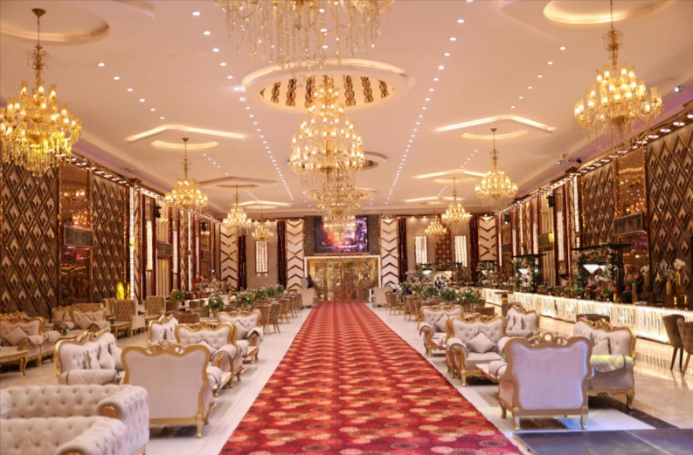
Planning a destination wedding in jaisalmer means choosing a setting that most couples only ever see in films: golden sandstone, carved arches, open desert skies and a sense of royal history. It is a place where a wedding feels like an occasion, not just an event, and where guests remember the setting as vividly as the ceremony.
This guide covers why couples choose the Golden City, what venues look like, how a two-day and three-day wedding can flow, and how to start planning without feeling overwhelmed.
Why Jaisalmer for a wedding?
Rajasthan has long been associated with royal celebrations, and Jaisalmer adds something particular: the stillness of the desert, the colour of the stone and a sense of being far from ordinary life. Guests arrive feeling that they have travelled somewhere special, which sets the tone from the first hour.
There are practical advantages too. A destination wedding keeps your guests together for several days, so mehendi, sangeet, ceremony and reception feel like one continuous celebration rather than scattered events. Families spend real time with each other, and everyone shares the same experience.
Choosing your venue style
Couples exploring Destination wedding Jaisalmer options usually weigh a few things: the scale of the guest list, the mood they want, whether guests can stay on site and how much support the venue provides.
A palace-style hotel is a popular choice because it combines venues, rooms, catering and coordination in one place. Instead of arranging transport between a venue and several hotels, your guests sleep, eat and celebrate within the same property.
Venues at Fort Rajwada
Fort Rajwada hosts weddings across several distinct spaces, so each function can have its own look and feel. These are the main venues and their capacities, as listed by the hotel.
- Rajabagh. The most expansive outdoor venue, framed by sandstone architecture and open sky. It accommodates up to 1,500 guests in theatre-style seating and 1,200 for a banquet. Ideal for grand baraats, gala dinners and large celebrations.
- Ranibagh. An elegant open-air venue for receptions, sangeet evenings and dinners, accommodating up to 800 in theatre style and 600 for a banquet.
- Central Lawn. A charming, intimate lawn suited to mehendi functions, welcome lunches and cocktail evenings, with room for up to 200 for a banquet.
- Central Courtyard. Surrounded by traditional Rajasthani design elements, this space suits ceremonies and pheras, with up to 250 guests for a banquet.
- Swimming Pool and Pool Garden. Perfect for haldi ceremonies, sundowners and poolside dinners, with up to 350 guests for a banquet.
- Fort View (open banquet). A striking open-air venue where the illuminated sandstone facade becomes the backdrop, with up to 300 guests for a banquet and 500 in theatre style.
- Ganga Vilas. An elegant indoor venue for receptions, conferences and private dinners, with up to 250 for a banquet and 300 in theatre style.
Having this range lets you give every function its own character, such as a relaxed haldi by the pool, a lively sangeet on the lawn and a sacred ceremony in the courtyard.
The wedding journey, function by function
A typical celebration moves through a series of moments, each with its own mood.
Arrival. A royal welcome sets the tone. Traditional music, floral greetings and a warm reception make guests feel looked after from the start.
Mehendi. Colour, laughter and tradition. The Central Lawn is a natural fit.
Haldi. A bright, joyful daytime function, often held by the pool or in a garden.
Sangeet. Music, dance and an evening of performances. Open-air venues give you space for stages and dance floors.
Wedding ceremony. The sacred vows, held in a setting that reflects the heritage of the property, such as the Central Courtyard.
Reception. A regal celebration, often under the illuminated facade of the fort.
A two-day wedding plan
For couples who prefer a more compact celebration, the hotel outlines a two-day format:
- Welcome lunch and check-in
- Haldi ceremony
- Sangeet night
- Wedding ceremony
- Reception dinner
This works well for smaller guest lists and families who want a lovely celebration without a long schedule.
A three-day wedding plan
For a fuller experience, a three-day wedding adds more time and variety:
- Royal welcome
- Haldi celebration
- Mehendi evening
- Sangeet gala
- Desert experience
- Wedding ceremony
- Reception and farewell
The desert experience is a distinctive extra. Guests might enjoy a camel ride, a sunset on the dunes or an evening of folk music, which gives them something unique to remember.
Why couples choose a palace-style venue
A hotel-based wedding offers several advantages.
Everything in one place. Rooms, venues, catering and coordination sit together, which reduces logistics.
Architecture as decoration. Carved sandstone, domes and courtyards need less styling to look spectacular.
Guest comfort. Guests stay on site, so there are no late-night transfers between venues and hotels.
Experienced teams. Event teams know the property and its limits, and can advise on layouts, timing and flow.
Flexible catering. Menus can be tailored, from regional Indian and Rajasthani to vegetarian, Jain and some international options.
Planning your wedding step by step
- Set a rough guest count and budget. These two numbers shape almost every other decision.
- Choose your season. October to March is the most comfortable period for outdoor celebrations.
- Decide the number of functions. Two days and three days feel very different.
- Enquire early. The hotel suggests starting conversations six to twelve months ahead for weddings and peak-season dates.
- Share the details. Preferred dates, number of guests, rooms required, number of functions, meals, event flow, decor ideas and entertainment all help the team prepare a suitable proposal.
- Visit if you can. Walking through the venues helps you picture the layouts and choose the right spaces.
- Confirm vendors. The hotel works with outside planners, decorators and vendors, within its guidelines and safety rules.
- Plan guest logistics. Think about travel, arrivals, room allocation and transfers.
- Finalise the schedule. Share a clear timeline with family, vendors and the hotel team.
Cultural touches that make it personal
Many couples want more than a beautiful setting. Ideas that work well include:
- Traditional music and folk artists at the entrance
- Floral welcomes and a ceremonial reception
- A camel or horse procession for the baraat
- Local dance performances in the evening
- A desert dinner or sundowner for guests
- Rajasthani menus alongside familiar favourites
Talk to the hotel team about what matters to you, and let them suggest what works well in each venue.
Looking after your guests
A destination wedding is also a trip for your guests, so small details matter. Provide a clear itinerary, help with travel information and let guests know about the weather. Daytime can be warm and winter nights can be cold, so suggest light clothing with a wrap or jacket. The hotel can help with rooming coordination, arrival support, guest shuttles, hospitality desks and luggage handling.
Mistakes couples often make
- Leaving enquiries too late for peak dates
- Overlooking the weather, especially in summer
- Packing too many events into too little time
- Forgetting about guest comfort and transport
- Not sharing a clear brief with the venue
- Underestimating how long outdoor setups take
Get a proposal
If you are ready to take the next step, share your dates, guest count and ideas with the wedding team. Fort Rajwada promises a custom proposal within 24 hours of an enquiry, which gives you something concrete to compare.
Frequently asked questions
How early should we start planning?
For weddings and peak-season dates, begin conversations six to twelve months in advance. Smaller celebrations still benefit from early planning.
Can all our functions be held on the property?
Welcome lunches, mehendi, haldi, sangeet, the ceremony, reception and farewell meals can be hosted across different venues, subject to availability and requirements.
Can we bring our own planner or decorator?
Yes, within the hotel’s guidelines, safety protocols and venue approvals.
Can the palace be hired exclusively?
Depending on the date, rooms required, guest count and event size, exclusive use may be available.
What menus are available?
Menus can be tailored, including regional Indian and Rajasthani, vegetarian, Jain and some international options.
Are pre-wedding shoots allowed?
Subject to timing, venue availability, privacy and prior consent, they can be arranged.
What should we share to receive a proposal?
Preferred dates, number of guests, room requirements, number of functions, meal preferences, event flow, decor and entertainment needs, and whether exclusive use is being considered.
Final thoughts
A Jaisalmer wedding is more than a pretty backdrop. It is a few days of shared celebration in a place where the architecture, food and hospitality all feel part of the story. Know your guest count, choose your season, share a clear brief and give yourself plenty of time. If you are ready to begin, explore the venues and send an enquiry to the wedding team at Fort Rajwada. You will receive a custom proposal for your dates.

 English
 Arabic
 Spanish
 Portuguese
 Deutsch
 Turkish
 Dutch
 Italiano
 Russian
 Romaian
 Portuguese (Brazil)
 Greek