
Surgeon Scissors: Essential Surgical Instruments for Precision and Control
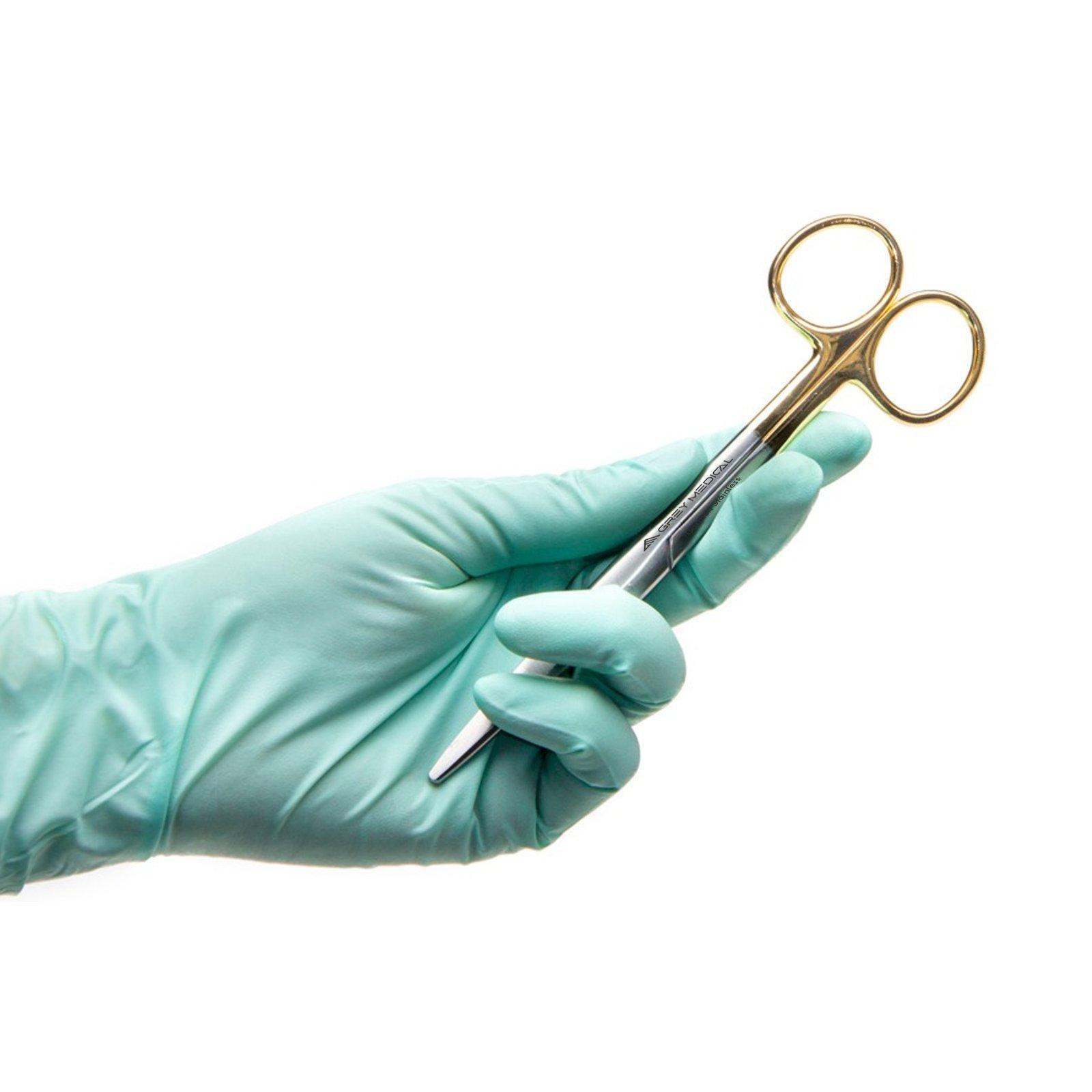
In modern surgical environments, precision, control, and reliability play an important role in achieving successful outcomes. Every surgical instrument serves a specific purpose, and scissors remain among the most frequently used tools in medical procedures. Surgeon scissors help healthcare professionals cut tissues, trim sutures, dissect delicate structures, and perform other essential surgical tasks. Their carefully designed blades and ergonomic handles allow surgeons to work accurately while maintaining control throughout different procedures.
Moreover, selecting the right surgical scissors can improve workflow, support precision, and help medical professionals perform their responsibilities efficiently. Understanding their designs, types, materials, and applications helps healthcare facilities make informed purchasing decisions.

What Are Surgeon Scissors?
Surgeon scissors are specialized medical instruments designed to cut tissues, sutures, dressings, and other materials during surgical procedures. Manufacturers produce them in different sizes, shapes, and blade configurations to meet the requirements of various medical specialties.
Unlike ordinary household scissors, surgical scissors feature carefully engineered blades that support controlled cutting. Additionally, their finger rings and handles provide a comfortable grip, allowing surgeons to maintain stability during delicate operations.
Depending on their intended application, these instruments may feature straight or curved blades, sharp or blunt tips, and different cutting edges. Consequently, healthcare professionals can select an appropriate design for each surgical task.
Common Types of Surgical Scissors
Different surgical procedures require different cutting instruments. Therefore, understanding the available options helps medical professionals choose suitable equipment.
Mayo Scissors: Mayo scissors feature strong blades that handle heavier tissues and surgical materials. Their durable construction makes them useful for cutting dense tissue, sutures, and other materials during various procedures. They commonly feature straight or curved designs.
Metzenbaum Scissors: These scissors have slender blades and relatively long handles. Surgeons use them for delicate tissue dissection because their design supports controlled movements in confined surgical areas.
Iris Scissors: Iris scissors feature small, sharp blades that allow precise cutting. Although originally associated with ophthalmic procedures, healthcare professionals also use them for other delicate surgical applications.
Operating Scissors: These general-purpose instruments support routine cutting tasks during surgical procedures. They come in different sizes and configurations to accommodate various clinical requirements.
Furthermore, choosing the appropriate scissors depends on the procedure, tissue type, and level of precision required.
Important Features to Consider When Choosing Surgical Scissors
Selecting quality surgical instruments requires attention to several important characteristics. First, healthcare professionals should evaluate the blade design because sharpness, alignment, and cutting edges directly influence performance.
Next, consider the material. Stainless steel remains a popular choice because it offers durability, corrosion resistance, and compatibility with appropriate cleaning and sterilization processes. High-quality materials also help instruments maintain their functionality through repeated clinical use.
Additionally, handle design deserves careful consideration. Ergonomic finger rings and balanced construction help professionals maintain a comfortable grip during extended procedures. Similarly, the overall weight should allow smooth movement without unnecessary hand strain.
Another important factor involves the instrument's maintenance requirements. Regular inspection, appropriate cleaning, and proper sterilization help preserve cutting performance and support infection prevention protocols.
Applications of Surgical Scissors in Medical Procedures
Surgical scissors support a wide range of medical applications. For example, surgeons use them to cut sutures, trim tissues, and separate delicate anatomical structures. Their versatility makes them valuable in general surgery, dental surgery, plastic surgery, and other medical specialties.
In addition, medical professionals use different blade configurations depending on the task. Straight blades often provide convenient access for cutting materials, while curved blades can improve visibility and maneuverability in certain surgical areas.
Surgeon scissors also play an important role during wound closure and tissue preparation. Healthcare professionals rely on suitable instruments to complete these tasks with controlled movements and consistent cutting performance.
However, every procedure requires the correct instrument. Using an unsuitable design can make certain tasks more difficult. Therefore, medical teams should understand the intended purpose of each instrument before using it.
Cleaning, Sterilization, and Proper Maintenance
Proper instrument care helps maintain performance and extend product lifespan. Immediately after use, healthcare professionals should follow established protocols for handling and cleaning surgical scissors.
First, remove visible debris according to the manufacturer's instructions. Then, use approved cleaning methods and compatible solutions to prevent damage to the instrument's surface. After cleaning, inspect the blades, joints, and handles for signs of wear or damage.
Furthermore, sterilize reusable instruments according to validated facility procedures and manufacturer recommendations. Proper drying and storage also help protect instruments from corrosion and contamination.
Regular maintenance is equally important. For instance, professionals should check blade alignment, cutting efficiency, and joint movement before each use. If an instrument shows signs of damage or does not function correctly, remove it from service until an appropriate assessment takes place.
Why Quality Matters When Purchasing Surgical Instruments
Quality directly influences the reliability and usability of surgical instruments. Therefore, hospitals, clinics, and medical professionals should prioritize dependable manufacturing, suitable materials, and consistent product performance when purchasing equipment.
Grey Medical® is a privately owned medical technology company dedicated to innovation and excellence in the craft of surgical instrument. The company focuses on providing medical professionals with instruments designed to support their clinical requirements.
When evaluating surgical equipment, buyers should consider manufacturing standards, material quality, product specifications, and compatibility with their intended applications. Moreover, choosing instruments from a dependable supplier can help healthcare facilities maintain consistent equipment standards.
Conclusion
Surgical scissors remain essential instruments in modern healthcare because they support accurate cutting, tissue dissection, and routine surgical tasks. Understanding their different designs, materials, applications, and maintenance requirements helps medical professionals select suitable equipment for their needs.
Ultimately, choosing high-quality surgeon scissors can support precision, improve instrument handling, and contribute to efficient surgical workflows. By prioritizing dependable construction and proper maintenance, healthcare facilities can ensure that their surgical instruments remain suitable for their intended clinical applications.

 English
 Arabic
 French
 Portuguese
 Deutsch
 Turkish
 Dutch
 Italiano
 Russian
 Romaian
 Portuguese (Brazil)
 Greek