
Quilted Fibre Pillows vs Down Pillows: What’s the Real Difference?
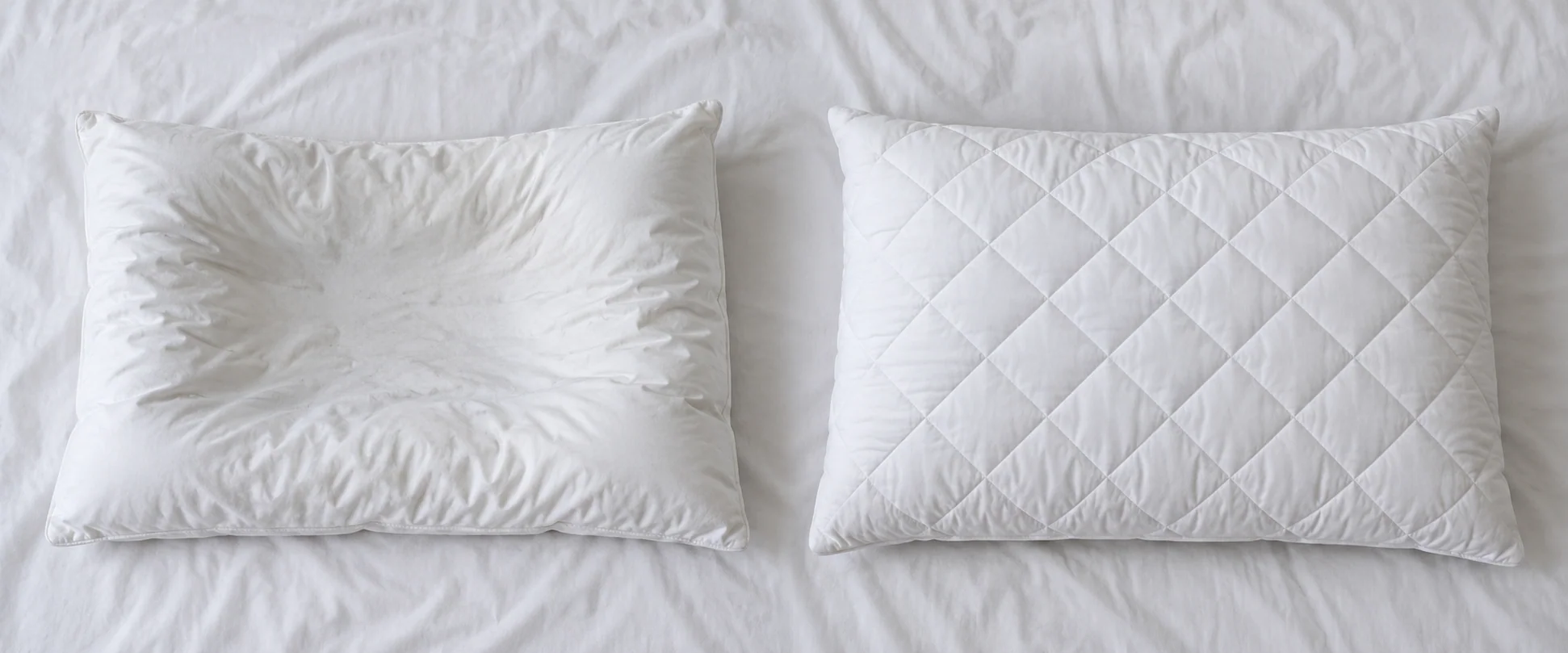
Choosing the right pillow can make a noticeable difference to your sleeping experience. While some people prefer a soft and luxurious surface, others look for consistent support, easy maintenance, and long-lasting comfort. Two popular options worth comparing are quilted fibre pillows and down pillows. Both offer different sleeping experiences, but their materials, construction, feel, and care requirements can vary considerably.
Understanding these differences can help you decide which pillow is better suited to your sleeping habits and personal preferences. Whether you are shopping for a new bedroom essential or replacing an old pillow, knowing what goes inside it is just as important as considering its appearance.
What Are Quilted Fibre Pillows?
Quilted fibre pillows are made using synthetic fibre filling enclosed within a stitched fabric cover. The outer material usually features a quilted pattern, which gives the pillow a textured appearance and helps create a more structured finish.
The filling is commonly made from polyester or other manufactured fibres. These materials are designed to provide cushioning while offering a practical alternative to natural down.
One of the main advantages of fibre pillows is their versatility. They are available in different thicknesses, firmness levels, and sizes, allowing shoppers to select an option that suits their sleeping position.
Quilted construction can also help keep the outer layers in place, depending on the design. This creates a neat finish and may contribute to a more consistent sleeping surface.
Another reason people choose quilted fibre pillows is their accessibility. They are available across a range of price points, making them a practical option for households looking for everyday bedding.
What Are Down Pillows?
Down pillows are filled with the soft undercoating found beneath the outer feathers of ducks or geese. Unlike ordinary feathers, down consists of lightweight clusters with a naturally fluffy structure.
These clusters trap air, which helps create insulation and gives down pillows their characteristic softness. The result is often a plush, lightweight pillow that can feel luxurious against the head.
Down pillows are particularly popular among people who enjoy a softer and more adjustable sleeping surface. Their filling can move and settle under pressure, allowing sleepers to shape the pillow according to their comfort preferences.
However, not all down pillows offer the same experience. Their quality depends on factors such as down content, cluster quality, filling quantity, and manufacturing standards.
Some products also combine down with feathers to create a different balance of softness and support. Therefore, checking the product description is important before making a purchase.
The Main Difference Between Quilted Fibre and Down Pillows
The biggest difference between these two pillow types is their filling material.
Quilted fibre pillows use manufactured synthetic fibres, while down pillows use natural clusters from waterfowl. This difference influences how each pillow feels, responds to pressure, and requires maintenance.
Fibre pillows generally offer a more structured and predictable feel. Their synthetic filling is designed to provide cushioning and can be available in several firmness options.
Down pillows are usually softer and more flexible. Their clusters create a lightweight filling that can be compressed and reshaped easily.
Another difference is the outer construction. Quilted fibre pillows feature stitched fabric designs, whereas down pillows may have smooth or specially constructed covers designed to contain their delicate filling.
It is important to understand that quilting describes the construction of the pillow cover, not necessarily the material inside it. A quilted pillow may contain different types of filling depending on its design.
For a closer look at how quilted and non-quilted designs compare, visit:
https://utopia.co.uk/blogs/guides/quilted-vs-non-quilted-pillows
Comfort and Softness
Comfort is one of the first things people consider when choosing between fibre and down pillows.
Quilted fibre pillows can provide a comfortable balance of cushioning and structure. Depending on the fibre density and filling quantity, they may feel soft, medium, or relatively firm.
Their stitched construction can also create a more uniform appearance, making them suitable for people who prefer bedding that looks neat and well-shaped.
Down pillows are generally associated with a softer, more luxurious feel. Their natural clusters compress easily, allowing the filling to adapt to the pressure applied by the head.
However, softness is not the same as support. A very soft pillow may not provide enough elevation for someone who sleeps on their side. The best choice depends on how much cushioning and support your neck requires.
Support and Sleeping Positions
Your sleeping position plays an important role in determining which pillow is suitable.
Side Sleepers
Side sleepers usually need a pillow with enough height to fill the space between the head and mattress. A medium or firm quilted fibre pillow may provide the structure needed to maintain comfortable alignment.
Down pillows can also work for side sleepers, but the filling quantity and ability to retain loft should be considered carefully.
Back Sleepers
Back sleepers generally benefit from a pillow that supports the natural curve of the neck without pushing the head too far forward. Both fibre and down pillows can work, provided their loft and firmness are appropriate.
Stomach Sleepers
Stomach sleepers often prefer a lower and softer pillow to avoid excessive head elevation. A soft fibre pillow or a low-loft down pillow may be worth considering.
Ultimately, the right pillow should keep your head and neck in a comfortable position rather than forcing you to adjust your sleeping posture.
Durability and Shape Retention
Another important consideration is how well a pillow maintains its original shape over time.
Quilted fibre pillows can gradually lose loft as the synthetic filling compresses through regular use. Their durability depends on the quality of the fibres, construction, and how well the pillow is maintained.
Down pillows can also lose their loft over time, especially when their clusters become compressed or exposed to moisture. However, quality down filling can often be reshaped by gently fluffing the pillow.
Neither option is completely maintenance-free. Regular care, proper drying, and following the manufacturer's instructions can help preserve the pillow's comfort and appearance.
When comparing products, look beyond the initial feel and consider how the filling is expected to perform with everyday use.
Cleaning and Maintenance Requirements
Maintenance is another area where these pillow types can differ.
Many synthetic fibre pillows are relatively easy to care for. Some can be machine washed, depending on their construction and manufacturer's instructions. This makes them a practical option for people who prefer straightforward bedding maintenance.
Down pillows often require more careful handling. Natural down can be affected by moisture, and improper washing or drying may cause the clusters to clump together.
It is important to check the care label before cleaning either type. Some pillows require professional cleaning, while others can be washed at home using specific instructions.
Regularly airing pillows, using protective pillowcases, and keeping them completely dry can help maintain freshness.
Which Pillow Is Better for Allergy Considerations?
People who experience allergies should pay attention to the materials used in their bedding.
Synthetic fibre pillows may appeal to shoppers who prefer to avoid animal-derived fillings. However, not every fibre pillow is automatically hypoallergenic. Dust mites and accumulated allergens can affect different types of bedding.
Down pillows contain natural materials, but their suitability depends on individual sensitivities and product cleanliness. Some people may prefer to avoid them, while others use properly maintained down bedding without problems.
If allergies are a concern, look for clearly labelled materials, suitable protective covers, and cleaning instructions. Choosing a pillow with an appropriate certification can also provide additional information about product testing and material standards.
Price and Overall Value
Price can influence the final decision, particularly when purchasing pillows for multiple bedrooms.
Quilted fibre pillows are generally available at more accessible price points. Their synthetic construction makes them a practical option for people who want comfortable everyday bedding without investing in premium natural filling.
Down pillows can be more expensive, particularly when they contain a higher proportion of quality down clusters. Their price reflects the natural filling, sourcing, and manufacturing involved.
However, the most expensive pillow is not necessarily the best choice. Comfort, support, maintenance requirements, and personal preferences should all be considered when evaluating value.
How to Choose the Right Pillow for Your Needs
Before purchasing a pillow, consider how you sleep and what you expect from your bedding.
If you prefer a structured sleeping surface, accessible pricing, and straightforward maintenance, a quilted fibre pillow may be a suitable option.
If you enjoy lightweight cushioning, natural filling, and a softer sleeping experience, a down pillow may be more appealing.
Also consider the pillow's loft, filling quality, cover material, and care requirements. Reading product descriptions carefully can help you understand what you are buying and avoid choosing a pillow based only on its appearance.
Final Thoughts
Quilted fibre pillows and down pillows both offer distinct benefits, but they are designed around different materials and sleeping experiences. Fibre pillows provide a practical synthetic alternative with a variety of firmness options and generally straightforward care. Down pillows offer natural softness, lightweight cushioning, and a flexible feel.
There is no single winner for everyone. Your sleeping position, preferred firmness, maintenance expectations, and budget should guide your decision.
By understanding the real differences between these pillow types, you can choose bedding that better suits your comfort needs and helps create a relaxing sleep environment.

 English
 Arabic
 French
 Spanish
 Portuguese
 Deutsch
 Turkish
 Italiano
 Russian
 Romaian
 Portuguese (Brazil)
 Greek