
Ultimate Guide to Selecting Durable Ground Covers for Gardens
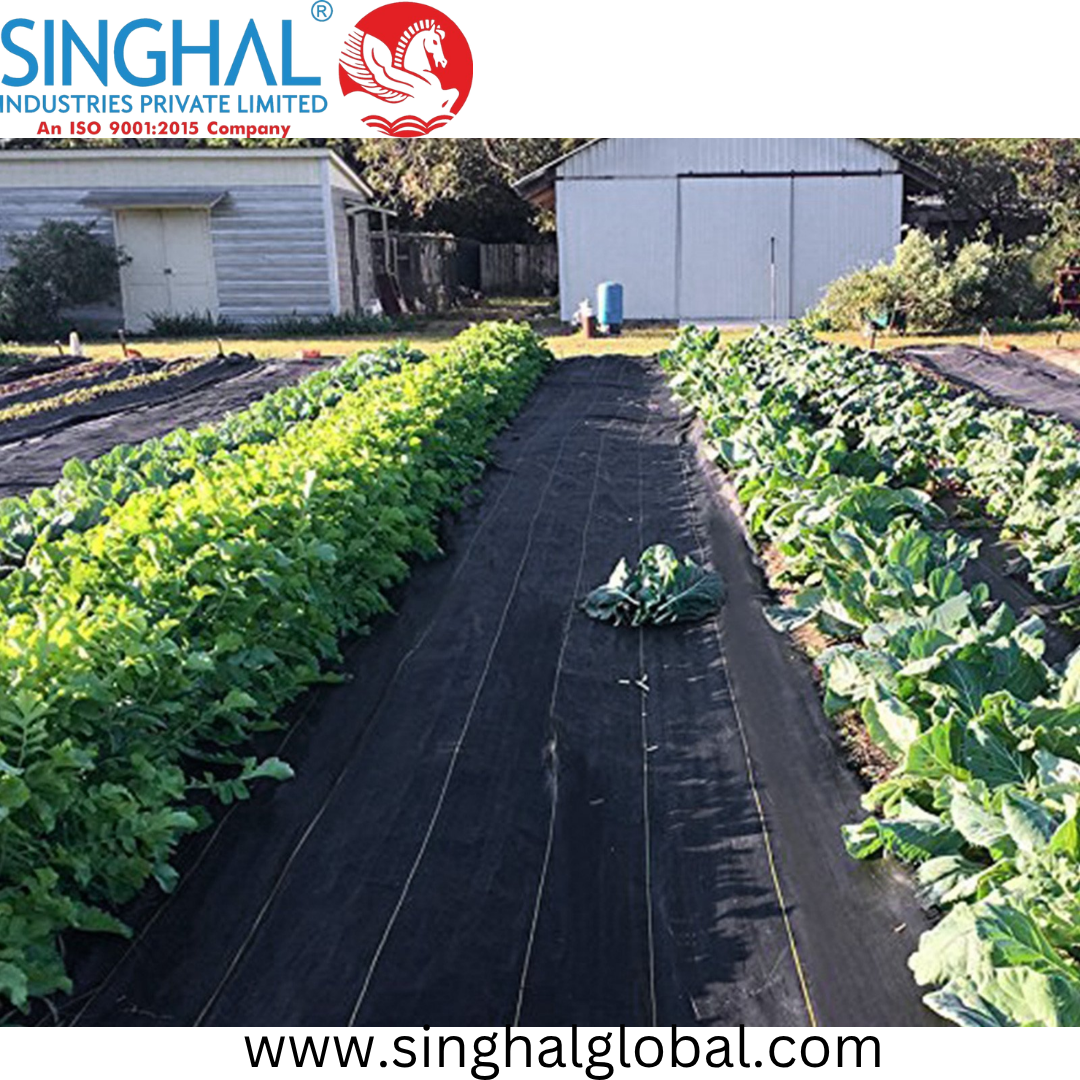
Creating a thriving low maintenance garden requires much more than simply choosing beautiful flowers and watering them; it is about creating a solid base to protect the soil from erosion, suppress invasive weeds and conserve water during all seasons. High-quality ground covers provide an effective barrier to protect the topsoil from the harsh effects of the sun, rain and people walking on it. If homeowners and professional landscape designers ignore the base of the mulched area, gravel, or flower bed, they will be continually fighting weeds manually and replacing lost soil. Choosing a quality protective fabric/barrier will allow your outdoor oasis to remain healthy and structurally intact for many years instead of just a few months. Understanding the characteristics of modern horticultural fabrics and how they react with different soil conditions will allow you to choose a long-term solution to improve the performance of your garden.
Understanding the Core Function of Modern Garden Ground Covers
In essence, a garden ground cover is a specialized barrier placed over the prepared soil that prevents sunlight from reaching dormant weed seeds while allowing water, air and liquid nutrients to penetrate into the root system. Unlike solid plastic sheets that cause the soil below them to suffocate and allow rainwater to accumulate on the surface, true woven or non-woven horticultural fabrics have been developed for permeation. It is this combination of excluding light from penetrating through the fabric, while permitting the flow of fluids, that distinguishes professional quality landscaping products from homemade substitutes. Ground Covers Exporter Gujarat sunlight can not penetrate the fabric, then the weed seeds that remain in the soil beneath the fabric can not utilize photosynthesis to grow; therefore, their development is stopped. On the other hand, the earthworms and micro-organisms residing below the fabric will continue to thrive since oxygen and moisture can naturally circulate through the microscopically small openings within the material.
Evaluating Material Composition for Maximum Durability
A garden barrier's durability depends largely upon the types of raw polymer used in the manufacturing of the barrier; two of the most common polymer types for use in outdoor applications are polypropylene and polyethylene. Polypropylene woven ground covers are produced through a process of weaving flat, slit-film tape into a dense grid pattern. This creates an extremely durable product that is resistant to tears caused by heavy foot traffic, wheelbarrows, and sharp rocks. Spunbond non-woven products, however, are made through a process of bonding randomly oriented fibers together using heat and pressure. These products provide improved filtration capabilities and can conform to irregular surfaces such as rocky slopes. Before selecting either type of product, gardeners need to determine which characteristic (i.e., tensile strength when covered in heavy stones vs. flexibility around complex root systems) is more important for their particular application. Using virgin-grade polymer rather than brittle recycled polymer ensures that the product will remain intact throughout its life expectancy under environmental stress.
The Critical Role of UV Stabilization in Outdoor Environments
Synthetic landscaping fabrics have no greater enemy than the damaging effects of ultraviolet (UV) radiation from the sun. Unprotected polymers will become brittle, chalky, and disintegrate in as little as one summer due to the destructive nature of UV rays. While many ground covers are designed to be covered with wood chips/mulch, stone, etc., it is common for some parts of the fabric to remain exposed along paths/slopes/areas where wind blows away the top dressing. To prevent degradation, manufacturers add specialized UV inhibitors into the polymer resin prior to extruding the fibers; thereby increasing the life of the fabric from a few months up to five/ten/fifteen years. Purchasing ground cover fabrics from a reputable Ground Covers Supplier Gujarat will ensure that your fabric was manufactured to withstand high temperatures/tropical/subtropical sunlight without degrading. You should also check the UV rating of products before purchasing them if you intend to allow the fabric to remain uncovered in vegetable rows/nursery beds.
Matching Fabric Weight and GSM to Specific Garden Applications
Horticultural fabric's density (thickness) is expressed as "GSM" or "grams per square meter." Choosing the correct GSM is extremely important to prevent holes/punctures in your horticultural fabric; additionally, choosing the proper GSM can also help extend the life of your horticultural fabric. If you are looking for a temporary seasonal bed, annual flower border, or light mulching area that will receive little to no foot traffic then a 70 to 90 GSM fabric would be adequate. A 100 to 130 GSM fabric would be considered a medium-weight horticultural fabric. This type of horticultural fabric provides an excellent balance of durability and water permeability for use with perennial gardens, vegetable pathways, and residential shrub beds. Finally, if you are working on a large-scale commercial project, under a sharp crushed stone driveway, or on a very steep slope that is susceptible to extreme soil erosion then a heavy-duty horticultural fabric of 150+ GSM may be necessary. Although a higher GSM horticultural fabric is more expensive initially than a lower GSM horticultural fabric, purchasing a higher GSM horticultural fabric initially can save you thousands of dollars in labor expenses later on. This is because you will not have to remove and replace torn horticultural fabric under existing landscaping.
Permeability and Water Drainage Dynamics in Diverse Soil Types
Water management is a very important consideration for all applications where you are using a ground cover on top of garden soil. Poor water drainage will eventually cause problems such as root rot, fungal infections, and stagnant pools of water. Clay-rich soils have the tendency to retain water and to drain at a slow pace. Therefore, when selecting a ground cover for a clay-rich soil, you should choose one that allows for quick and efficient drainage. This type of ground cover will have a high flow rate and open weave structure. This will help to reduce the risk of water logging during times of heavy rain. On the other hand, sandy soils tend to dry out quickly due to the rapid loss of moisture. Sandy soils would benefit from a ground cover that has a slightly more dense construction. A ground cover that is slightly denser will help to slow down evaporation while allowing for uniform distribution of irrigation water into the soil. Prior to installing the selected ground cover, it is recommended to test a small sample of the material with a watering can. This testing will verify that water can pass through the material immediately, and does not bead up and flow off the surface. Good drainage will provide adequate hydration to your ornamental plants and/or food crops directly at their root systems, without drowning them in excessive amounts of runoff.
Conclusion
Investing in the appropriate ground cover is an excellent decision for the long-term well-being, appearance, and maintenance of any size of garden or commercial landscape. When selecting a ground cover, it is important to consider how well the ground cover will perform with your particular type of soil and the top dressing you plan to use. If you select a ground cover that has a compatible polymer formulation, GSM weight, and UV resistance for your specific soil type and top dressing, you will have established a durable base that will keep weeds out of your garden/landscape, conserve water, prevent erosion, and allow you to maintain your garden/landscape without using harmful chemicals. To ensure that your ground cover performs effectively for many years in the sun, rain, and other weather conditions associated with each season; take the time to create a level surface for the ground cover to be placed on, make sure to overlap the seams of the ground cover adequately, and securely anchor the edges of the ground cover. Regardless of whether you are growing vegetables in your back yard or managing large-scale horticulture operations, choosing the correct ground cover will give you more time to enjoy and care for your plants since you will not be constantly removing weeds from your garden/landscape.
Frequently Asked Questions
Question: Who is the largest manufacturers of Ground Covers?
Answer: Singhal Industries Private Limited is the largest manufacturer of Ground Covers, utilizing state-of-the-art machinery and ISO-certified quality control to produce defect-free polypropylene and HDPE sheets.
Question: What are the primary benefits of using Ground Covers in agriculture and landscaping?
Answer: Ground Covers effectively suppress unwanted weed growth, retain essential soil moisture, and allow air and water permeability to support healthy crop and plant development.
Question: What materials are used to manufacture high-quality Ground Covers?
Answer: High-quality Ground Covers from Singhal Industries Private Limited are manufactured using heavy-duty, breathable polypropylene (PP) and high-density polyethylene (HDPE) fabrics.
Question: Are Ground Covers reusable across multiple farming or gardening seasons?
Answer: Yes, heavy-duty UV-stabilized Ground Covers are tear-resistant and can be easily cleaned and reused for multiple growing seasons with proper handling.
Question: What sizes and GSM options are available for Ground Covers?
Answer: Ground Covers are available in multiple widths ranging from 0.6 meters to 5 meters and thicknesses from 75 GSM to 140 GSM to suit diverse landscaping and farming needs.

 English
 Arabic
 French
 Spanish
 Portuguese
 Turkish
 Dutch
 Italiano
 Russian
 Romaian
 Portuguese (Brazil)
 Greek