
How to Avoid Unnecessary Salik Charges in Dubai: Practical Ways to Reduce Toll Costs
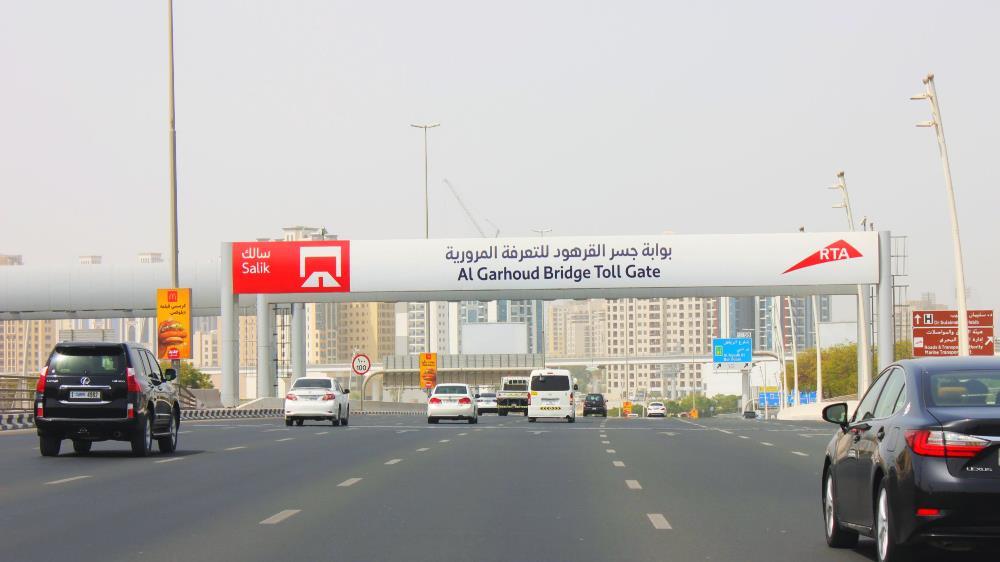
Salik is Dubai’s electronic road-toll system, and charges are deducted automatically when a vehicle passes through a Salik toll point. Since variable pricing began in January 2025, the amount can depend on the time and day of travel. Drivers can reduce avoidable costs by planning routes, understanding Salik timings, checking their account, and avoiding unnecessary toll crossings.
What Counts as an Unnecessary Salik Charge?
An unnecessary Salik charge is usually a toll you could have avoided without creating a major disadvantage to your journey. It can happen when you:
-
Take a toll route when a practical free alternative exists.
-
Pass through a Salik gate multiple times because of poor route planning.
-
Drive through a toll point during peak pricing when your trip could safely move to a lower-priced period.
-
Follow a navigation route without checking whether it crosses a Salik gate.
-
Make a short detour that crosses a toll point unnecessarily.
-
Forget to account for Salik when planning repeated daily journeys.
You cannot avoid a legitimate toll simply by driving through the gate without a Salik Tag. Salik uses electronic identification and vehicle-plate recognition, so avoiding the tag does not eliminate the charge and can create additional problems.
Understand Dubai’s Salik Charges Before You Drive
The most effective way to control Salik costs is to understand when different charges apply.
Under the current variable pricing structure, weekday crossings cost AED 6 during peak periods, AED 4 during off-peak periods, and AED 0 from 1:00 a.m. to 6:00 a.m. Sundays generally carry a AED 4 charge throughout the charged periods, except where public holidays or events affect the schedule.
|
Period |
Weekdays |
Sundays* |
|
6:00 a.m.–10:00 a.m. |
AED 6 |
AED 4 |
|
10:00 a.m.–4:00 p.m. |
AED 4 |
AED 4 |
|
4:00 p.m.–8:00 p.m. |
AED 6 |
AED 4 |
|
8:00 p.m.–1:00 a.m. |
AED 4 |
AED 4 |
|
1:00 a.m.–6:00 a.m. |
AED 0 |
AED 0 |
*Salik specifies exceptions for public holidays and events. Check the latest official information before planning a journey around a special date.
This means changing your travel time can sometimes reduce the toll from AED 6 to AED 4, while eligible overnight travel can avoid the toll entirely.
1. Check Your Route for Salik Gates Before Leaving
Do not wait until you see a Salik sign to think about toll costs. Check your complete route before starting the journey.
Dubai has ten Salik toll locations, including Al Barsha, Al Garhoud, Al Maktoum Bridge, Al Mamzar North, Al Mamzar South, Al Safa, Jebel Ali, Business Bay Crossing, Al Safa South, and Airport Tunnel.
A navigation app can help you identify the roads involved, but always check the route carefully rather than assuming the fastest route is the cheapest.
For example, if two routes take a similar amount of time, a route that avoids a Salik crossing may make more sense for a short local journey.
2. Use a Free Alternative When It Is Practical
You do not need to avoid every toll road at all costs. The better approach is to compare the toll with the additional time and fuel required by another route.
A free route that adds only a few minutes may make sense for a short trip. However, taking a much longer route simply to save AED 4 or AED 6 can increase fuel consumption and travel time.
Use this simple rule:
Compare the toll, extra distance, travel time, and traffic before choosing an alternative route.
The cheapest route is not necessarily the route with zero Salik charges.
3. Avoid Unnecessary Peak-Hour Crossings
Weekday peak periods currently carry the higher AED 6 tariff:
-
6:00 a.m. to 10:00 a.m.
-
4:00 p.m. to 8:00 p.m.
Off-peak crossings during the applicable periods cost AED 4.
If your schedule allows flexibility, moving a journey outside peak hours can reduce the toll for each qualifying crossing.
For someone making several toll crossings every week, even a small saving per trip can accumulate over time.
4. Combine Trips Instead of Crossing Toll Gates Repeatedly
Trip planning can prevent more Salik charges than simply choosing another road.
Suppose you need to visit several places in Dubai during the same day. Instead of driving back and forth across the city, arrange your stops in a logical sequence.
For example:
Home → Business meeting → Shopping → Restaurant → Home
may be more efficient than:
Home → Shopping → Home → Business meeting → Home → Restaurant
Combining errands reduces unnecessary kilometres, fuel consumption, traffic exposure, and potentially repeated Salik crossings.
5. Watch for Routes That Cross Salik Gates During Detours
Navigation apps sometimes change routes because of congestion, road closures, accidents, or traffic conditions.
A route that originally avoided Salik can therefore change during the journey.
Before following a major rerouting instruction, check whether the new route introduces a toll crossing. If another practical route exists, compare the options before accepting the detour.
This matters particularly around busy roads such as Sheikh Zayed Road, Al Khail Road, Business Bay, and routes connecting different parts of Dubai.
6. Understand the Special Gate Rules
Not every Salik crossing should be treated as a separate charge in every situation.
For example, Salik's published information states that when a vehicle passes through the Al Mamzar North and Al Mamzar South gates in the same direction within one hour, it is charged only once.
The important point is to understand the specific rule rather than assuming that every nearby gate automatically creates another charge.
Similarly, Salik's network and pricing rules can change, so drivers should verify current conditions when planning a regular route.
7. Keep Your Salik Account and Vehicle Details Updated
Avoiding unnecessary costs also means preventing avoidable violations.
Salik automatically identifies vehicles using its electronic tolling system. If the system cannot detect a valid tag, vehicle identification and registration rules can still apply.
Before driving regularly in Dubai, check that:
-
Your vehicle is correctly associated with the Salik account.
-
Your Salik Tag is properly installed.
-
Your account has sufficient funds.
-
Your vehicle information is accurate.
-
You review your transactions regularly.
This is particularly important when using a vehicle that belongs to someone else or when switching between vehicles.
8. Check Salik Charges After Your Journey
Do not rely entirely on memory to track toll expenses.
The Salik app provides users with transaction information, including historical toll and related charges. Salik reported that its app was updated to provide a breakdown of historical toll and ancillary service charges.
Reviewing your transactions can help you identify patterns such as:
-
Frequent crossings at the same gate.
-
Repeated peak-period travel.
-
Unexpected route changes.
-
Charges from journeys you had forgotten about.
-
Higher toll spending on particular days.
Once you identify the pattern, you can change your regular routes or travel times.
9. Consider Salik When Choosing a Rental Car
Salik costs matter even more when you use a rental vehicle for several days or weeks because multiple daily journeys can quickly add up.
Before booking a daily, weekly, or monthly rental, check the rental company's terms for Salik charges. Rental agreements may specify how tolls are recorded, charged, or settled after the vehicle is returned.
If you are comparing rental options, look beyond the advertised daily rate. Check the mileage allowance, insurance, fuel policy, Salik handling, deposit, delivery fees, and other applicable charges.
For example, platforms such as GreatDubai allow users to browse different rental listings and compare vehicle options, while the individual rental provider determines the specific rental terms. GreatDubai's rental guidance specifically recommends checking Salik and toll charges before confirming a vehicle.
This makes the total rental cost more useful than comparing the advertised daily price alone.
10. Choose the Right Route for the Entire Journey
Avoiding Salik does not mean choosing the longest toll-free road every time.
Consider these four factors:
|
Factor |
What to check |
|
Salik charge |
How much will the crossing cost? |
|
Distance |
How many extra kilometres will the alternative add? |
|
Time |
How much longer will the trip take? |
|
Traffic |
Could the alternative route create additional delays? |
If a toll-free route adds 30 minutes and significant distance, paying AED 4 or AED 6 may be more practical.
If a toll-free route adds only a few minutes, avoiding the toll may be worthwhile.
Can You Completely Avoid Salik Charges in Dubai?
Yes, some journeys can be completed without passing through a Salik toll point, but you cannot assume that every destination has a practical toll-free route.
You can reduce charges by:
-
Checking your route before driving.
-
Identifying Salik gates along the journey.
-
Using a practical alternative route where available.
-
Travelling during lower-priced periods when your schedule allows.
-
Combining multiple errands into one trip.
-
Reviewing navigation changes during the journey.
-
Monitoring your Salik account and transactions.
However, deliberately trying to bypass the Salik system without following the applicable registration and payment requirements is not a legitimate way to save money.
Which Drivers Benefit Most From Salik Planning?
Salik planning becomes particularly useful for drivers who travel frequently.
It can help:
-
Daily commuters: Reduce repeated toll expenses on regular routes.
-
Business travellers: Plan meetings around efficient routes and timings.
-
Tourists: Avoid unexpected toll costs while exploring Dubai.
-
Rental-car users: Understand potential additional charges before booking.
-
Families: Combine several destinations into fewer journeys.
-
Frequent intercity drivers: Compare toll routes with alternative roads before starting longer trips.
The more frequently you drive through toll areas, the more valuable route planning becomes.
Common Mistakes That Increase Salik Costs
Avoid these common mistakes:
-
Choosing the fastest route without checking tolls.
-
Assuming every Salik crossing costs the same amount.
-
Ignoring peak-hour pricing.
-
Taking unnecessary return trips across toll roads.
-
Failing to check navigation rerouting.
-
Not reviewing Salik transactions.
-
Assuming a rental car's advertised price includes Salik.
-
Driving an unregistered vehicle through toll points.
-
Taking a much longer route simply to avoid a small toll.
The goal is not to avoid every Salik road. The goal is to avoid unnecessary crossings while choosing a route that remains practical.
Frequently Asked Questions
How can I reduce Salik charges in Dubai?
Check your route before driving, avoid unnecessary toll crossings, travel during lower-priced periods when possible, and combine multiple trips. Weekday peak crossings currently cost AED 6, while qualifying off-peak crossings cost AED 4 and the applicable overnight period has no toll.
What time is Salik free in Dubai?
Under the current standard pricing schedule, the past-midnight period from 1:00 a.m. to 6:00 a.m. has a zero Salik charge. Special days and events can affect the standard schedule, so verify the latest information before relying on it.
Is Salik cheaper outside peak hours?
Yes. On weekdays, Salik charges AED 6 during the designated peak periods and AED 4 during off-peak periods.
Can I avoid Salik by taking another road?
Often, yes, if a practical alternative route does not cross a Salik toll point. Compare the toll saving with the additional distance, fuel, travel time, and traffic before changing routes.
Do rental cars have Salik charges?
Rental agreements can specify how Salik charges are handled, so check the terms before booking. Do not assume that Salik is included in the advertised rental price. GreatDubai's rental guidance also recommends checking Salik and toll charges before confirming a vehicle.
Does Salik charge every time I pass a toll gate?
Charges depend on the applicable Salik rules and gate-specific circumstances. Certain gate combinations have specific charging rules; for example, Al Mamzar North and South can result in a single charge when crossed in the same direction within one hour.
Final Takeaway
The easiest way to avoid unnecessary Salik charges is to plan the journey before driving rather than trying to correct the route afterward. Check the toll gates on your route, understand peak and off-peak pricing, combine errands, monitor navigation changes, and review your Salik transactions.
For rental vehicles, also check Salik terms before choosing a short-term or monthly rental, because the rental rate and toll expenses are separate considerations. A slightly different route or travel time can sometimes reduce repeated toll costs without adding significant time to the journey.

 Arabic
 French
 Spanish
 Portuguese
 Deutsch
 Turkish
 Dutch
Dutch
 Italiano
 Russian
 Romaian
 Portuguese (Brazil)
 Greek
Greek