
Planning a Reliable Network for Multi-Story Buildings: Why the Right Riser Cable Matters
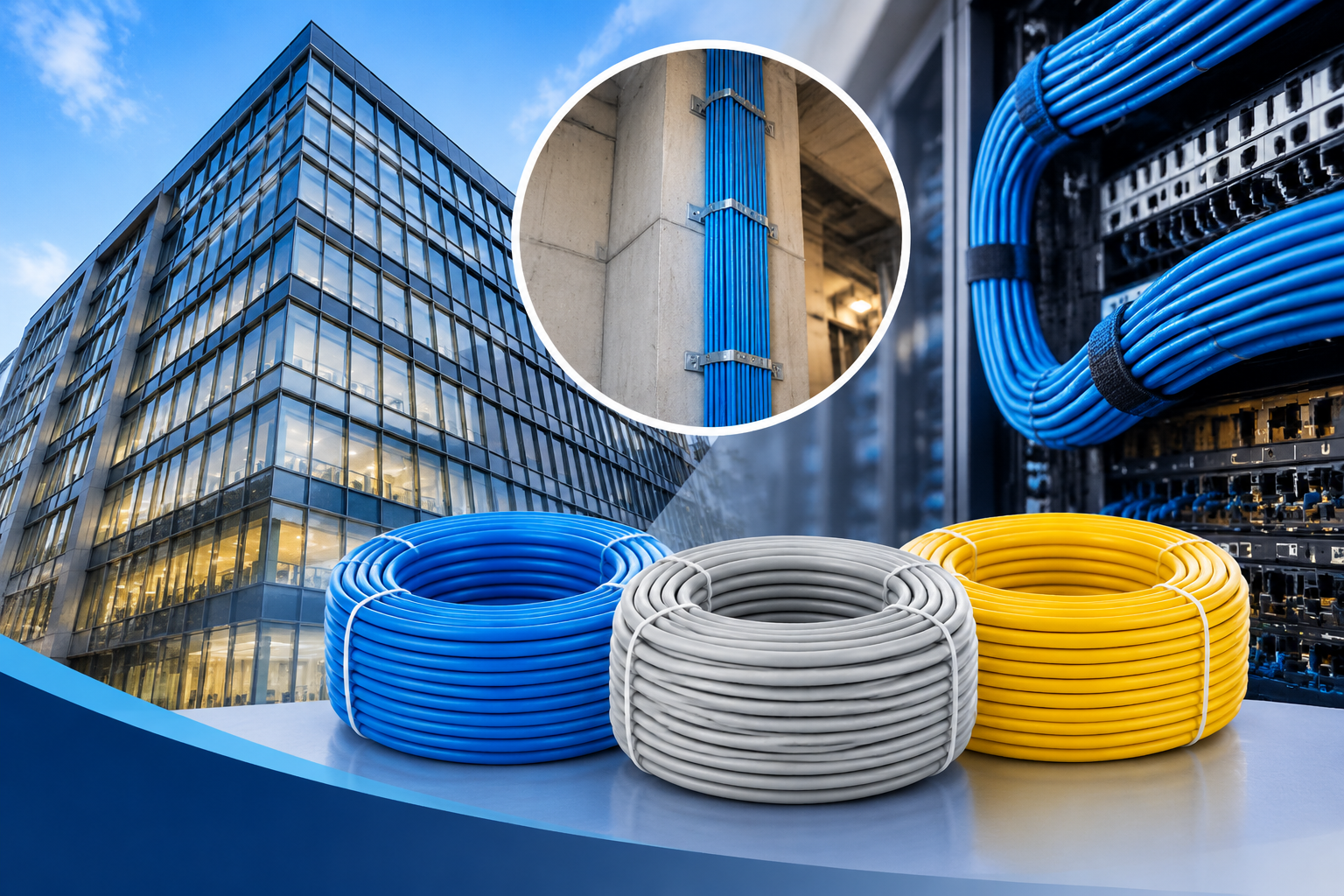
A reliable network is something most people don't think about until it stops working. Whether it's an office building, apartment complex, school, or commercial property, a stable internet connection plays an important role in everyday activities. But creating a dependable network across multiple floors requires more than just installing routers and connecting a few cables. The right wiring infrastructure makes a big difference.
One important part of this setup is choosing the correct cat5e riser cable for vertical cable runs between floors. Riser-rated Ethernet cables are designed for use in vertical spaces, such as building shafts and floor-to-floor pathways. Choosing suitable cabling from the beginning can help make network installations safer, more organized, and easier to maintain over time.
Why Riser Cable Matters in Multi-Story Buildings
Running network cables through a multi-story building can be challenging. Cables often need to travel between floors through walls, riser shafts, and other designated pathways. Using the wrong cable type in these spaces can create unnecessary safety concerns.
Riser-rated cables are designed for vertical installations and typically carry a CMR rating. Their jackets are designed to help limit flame spread from one floor to another when installed according to applicable building codes.
This makes them a practical choice for many commercial and residential network projects. However, it's always important to check local building requirements and confirm that the selected cable rating is suitable for the installation location.
Choosing the Right Ethernet Cable for Your Project
Not every building has the same networking requirements. A small office may need a relatively simple connection setup, while a larger commercial property might support hundreds of connected devices.
Before choosing a cable, consider a few things:
-
Network speed: Think about the internet speeds and data transfer requirements your network needs to support.
-
Cable distance: Plan the cable routes carefully and consider Ethernet channel length limitations.
-
Building layout: Understand where cables will run and whether they pass through riser spaces or plenum areas.
-
Future expansion: Consider whether the network may need additional capacity as the building grows.
-
Installation standards: Make sure the cable meets the relevant electrical and building code requirements.
Taking time to plan these details can prevent unnecessary replacements and installation problems later.
When Cat6 Becomes a Better Choice
As businesses add more computers, wireless access points, security cameras, and connected devices, their network requirements continue to grow. In these situations, choosing a cable with better performance capabilities can be a sensible investment.
A cat6 riser ethernet cable is worth considering for installations that need higher bandwidth support and improved performance compared with traditional Cat5e cabling.
Cat6 supports bandwidths up to 250 MHz and can support 10 Gigabit Ethernet over shorter distances, depending on the installation and channel specifications. For standard 10GBASE-T Ethernet, the maximum distance is typically 55 meters under qualifying conditions.
Another advantage is that Cat6 can provide a good balance between present-day networking needs and future upgrades. Businesses planning to expand their infrastructure may find it useful to install suitable higher-category cabling while construction or renovation work is already underway.
Common Mistakes to Avoid During Installation
Even a high-quality cable cannot deliver the expected results if it is installed incorrectly. Some common mistakes can affect performance, increase maintenance costs, or create compliance issues.
Here are a few things worth avoiding:
1. Ignoring cable ratings
Using general-purpose cable in a space that requires riser-rated cable can create safety and code compliance problems. Always check the installation environment before purchasing.
2. Bending cables too tightly
Excessive bending can damage the cable structure and affect signal performance. Follow the manufacturer's minimum bend-radius recommendations.
3. Pulling cables too forcefully
Applying too much tension during installation can damage internal conductors or change the cable's performance characteristics.
4. Skipping cable management
Disorganized cable runs make troubleshooting and future upgrades more difficult. Use appropriate cable supports, labels, and management accessories.
5. Forgetting future requirements
Installing just enough cable for today's needs may create additional work later. Planning for future devices and network expansion can save time and money.
Why Quality Matters When Buying Bulk Ethernet Cable
For contractors, IT professionals, and businesses handling large installations, purchasing bulk Ethernet cable can make project planning easier. Buying cable in 1000-foot spools also helps reduce unnecessary packaging and gives installers more flexibility when measuring and cutting cable runs.
However, price should not be the only deciding factor. Check the cable category, jacket rating, conductor material, product specifications, and applicable certifications before making a purchase.
It's also worth choosing a supplier that offers clear product information and a range of cable options. This makes it easier to compare products and select the right solution for different installation environments.
Building a Network That Lasts
A good network installation is not just about getting everything connected today. It's about creating an infrastructure that can support daily operations, handle changing technology needs, and remain manageable over time.
For projects that require higher performance, cat6a riser ethernet cables can be another option to consider. Cat6a supports 10 Gigabit Ethernet up to 100 meters and offers bandwidth up to 500 MHz, making it suitable for demanding commercial and enterprise network installations.
At TS Cables, you can explore different Ethernet cable options for residential, commercial, and professional networking projects. Comparing cable categories, ratings, and specifications before installation helps you make a more informed decision.
In the end, the best cable is the one that matches your building's requirements, installation environment, and long-term networking plans. A little planning today can make a big difference in how reliably your network performs tomorrow.

 English
 Arabic
 French
 Spanish
 Portuguese
 Deutsch
 Turkish
 Dutch
 Italiano
 Russian
 Portuguese (Brazil)
 Greek