
How Humidity and Seasonal Weather Affect Agricultural Building Design
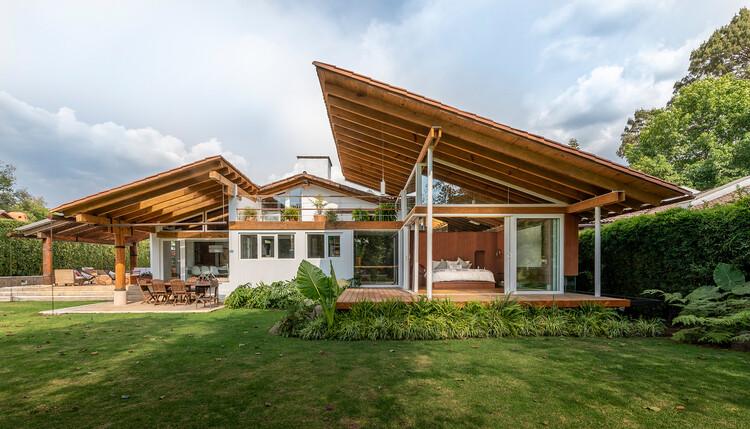
Planning pole barns georgia, requires careful consideration of humidity, temperature, rainfall, wind, and seasonal weather patterns. Agricultural buildings need to protect equipment, livestock, feed, hay, tools, and other valuable materials from changing environmental conditions. In Georgia, warm temperatures and high humidity can create moisture-related challenges, while heavy rainfall and severe storms can place additional demands on the building structure. Designing around these conditions from the beginning can improve durability, ventilation, storage conditions, and long-term performance.
An agricultural building should not be designed only around its size and appearance. The local climate should influence the roof, walls, ventilation, drainage, materials, foundation area, doors, and interior layout. Understanding these factors can help property owners create structures that remain functional through changing seasons.
1. Understand Georgia's Seasonal Weather
Georgia experiences warm summers, humidity, rainfall, and seasonal changes that can affect agricultural structures. Rural properties may also experience strong winds and severe storms depending on location and weather conditions.
Before construction, property owners should consider:
-
Temperature variations
-
Humidity levels
-
Heavy rainfall
-
Wind exposure
-
Storm conditions
-
Drainage patterns
-
Soil moisture
-
Seasonal changes
The building's location can also influence how much weather exposure it receives. An open field may experience stronger winds than a site protected by surrounding structures or vegetation.
Understanding these conditions helps determine which design features and materials are appropriate.
2. Control Humidity Inside the Building
Humidity is one of the biggest considerations for agricultural buildings in warm climates. Excess moisture can affect equipment, tools, stored feed, hay, structural materials, and other contents.
Poor airflow can allow humid air to remain trapped inside the building. This may contribute to condensation, corrosion, unpleasant odors, and deterioration of moisture-sensitive materials.
Proper ventilation can help manage humidity. Ridge vents, wall openings, windows, fans, and large doors can encourage air movement through the structure.
The ventilation strategy should be based on how the building will be used. A livestock structure may need continuous airflow, while an equipment storage building may require a different approach.
3. Protect Equipment from Moisture
Farm machinery and metal equipment can be particularly vulnerable to moisture. Humid conditions can contribute to corrosion when equipment remains exposed to damp air for extended periods.
A properly designed storage building can reduce exposure to rain and direct sunlight while providing airflow around stored equipment.
Equipment should also be positioned with enough space between machines and walls to allow air circulation. Avoiding unnecessary moisture buildup inside the building can help reduce maintenance requirements.
When planning pole barns georgia, equipment protection should be considered alongside the building's overall structural design.
4. Plan for Proper Ventilation
Ventilation is important for more than humidity control. It can also help manage heat, odors, dust, and air quality.
Agricultural buildings used for livestock may require carefully positioned openings to promote airflow without creating uncomfortable drafts. Hay and feed storage areas also benefit from appropriate ventilation to help manage moisture.
Workshops and equipment buildings may need larger openings or mechanical fans, especially when heat and fumes are generated inside.
Ventilation should be incorporated into the original design rather than treated as an afterthought. Adding ventilation later may require costly modifications.
5. Consider Heavy Rainfall
Heavy rainfall can create challenges for both the building and the surrounding property. Water should be directed away from the structure instead of collecting around posts, entrances, or foundation areas.
Site grading is an important part of water management. The ground should be shaped to encourage runoff away from the building.
Gutters and downspouts can also control roof runoff. Depending on the property, additional drainage channels, gravel areas, or other site improvements may be appropriate.
Poor drainage can contribute to soil erosion, muddy access routes, moisture exposure, and long-term maintenance issues.
6. Select Durable Exterior Materials
Agricultural buildings are continuously exposed to outdoor conditions. Roofing, siding, structural components, fasteners, and other exterior materials should be selected based on expected exposure.
Materials should be able to withstand sunlight, rain, humidity, temperature changes, and normal agricultural use.
Metal roofing and siding can provide practical weather protection, while properly treated structural materials can help improve durability where appropriate. Fasteners and connections should also be selected with moisture exposure in mind.
The goal is to choose materials that balance durability, cost, maintenance, and the building's intended purpose.
7. Design the Roof for Weather Conditions
The roof is one of the most important protective components of an agricultural building. It must manage rainfall while providing adequate structural support.
Roof pitch, drainage, framing, connections, flashing, and roofing materials should all be considered during design.
A properly planned roof can direct rainwater toward gutters and away from the building. It should also be designed according to local wind and weather requirements.
For pole barns georgia, roof design should be based on the specific property and intended use rather than simply selecting a standard appearance.
8. Consider Soil and Drainage Conditions
Weather affects more than the building itself. Repeated rainfall and changes in soil moisture can influence the ground around the structure.
Poorly drained soil may remain saturated for extended periods, while erosion can affect access and surrounding areas. Changes in soil conditions can also influence how the building site performs over time.
Before construction, evaluate the site's slope, drainage patterns, soil conditions, and water movement. Proper grading and site preparation can help create a more stable environment for the structure.
9. Plan for Strong Winds and Storms
Agricultural buildings located in open areas may have significant exposure to wind. Strong storms can place pressure on roofs, walls, doors, and structural connections.
The building should be designed as a connected structural system. Roof framing, wall framing, posts, connections, and anchoring should work together to transfer loads appropriately.
Large doors should also be considered carefully because they can experience significant wind pressure when closed or opened during severe weather.
Working with experienced pole barn builders in georgia can help property owners address local environmental conditions and building requirements during the planning stage.
10. Think About Livestock Comfort
When an agricultural building will house animals, climate control becomes even more important. Heat, humidity, poor airflow, and excessive moisture can create uncomfortable conditions.
The building should provide adequate ventilation while also offering protection from direct sunlight and severe weather. Openings should be positioned to encourage airflow without exposing animals unnecessarily to harsh conditions.
Drainage is equally important because wet floors and standing water can create difficult conditions for livestock and increase maintenance requirements.
11. Plan for Seasonal Maintenance
Even a well-designed agricultural building needs regular maintenance. Seasonal inspections can help identify problems before they become more serious.
Before periods of heavy rainfall, check gutters, downspouts, roof surfaces, and drainage areas. During warmer months, inspect ventilation systems and look for signs of condensation or corrosion.
Property owners should also check:
-
Roof connections
-
Exterior panels
-
Doors and seals
-
Structural posts
-
Fasteners
-
Drainage areas
-
Interior moisture
-
Ventilation openings
Regular maintenance helps protect both the structure and the materials stored inside.
12. Consider Future Improvements
Agricultural needs can change over time. A property may eventually require additional storage, insulation, fans, electrical systems, larger doors, or enclosed work areas.
Planning for these improvements during the original design can make future upgrades easier. Electrical capacity, ventilation pathways, building orientation, and surrounding space should be considered before construction begins.
A flexible structure can adapt as agricultural operations change instead of requiring complete replacement.
FAQs
1. Why is humidity important when designing an agricultural building?
High humidity can contribute to condensation, corrosion, moisture damage, and poor storage conditions. Proper ventilation, drainage, and appropriate materials can help manage moisture inside and around the building.
2. What should I consider when planning pole barns in Georgia?
Consider humidity, heat, rainfall, wind, drainage, ventilation, roof design, materials, soil conditions, equipment access, and the building's intended use. Local requirements should also be considered before construction.
3. How can pole barn builders help with Georgia's climate?
Experienced pole barn builders in georgia can help plan the building around site conditions, ventilation, drainage, weather exposure, materials, access, and intended agricultural use. Proper planning can improve long-term durability and functionality.
Conclusion
Humidity and seasonal weather should be major considerations when designing an agricultural building. Warm temperatures, high humidity, rainfall, storms, and changing soil moisture can affect the structure, equipment, livestock, and stored materials.
Whether you are planning pole barns georgia, for equipment storage, livestock, hay, feed, or agricultural work, climate-aware design can provide better protection and long-term performance. Ventilation, drainage, roofing, materials, site preparation, and structural connections should all be considered before construction begins.
Working with experienced pole barn builders in georgia can help property owners develop a structure suited to the property's location and intended use. With proper planning and regular maintenance, an agricultural building can remain durable, functional, and adaptable through Georgia's changing seasonal conditions.

 English
 Arabic
 French
 Spanish
 Deutsch
 Turkish
 Dutch
 Italiano
 Russian
 Romaian
 Portuguese (Brazil)
 Greek