
How Can Made-to-Measure Curtains Improve Washington, DC Homes?
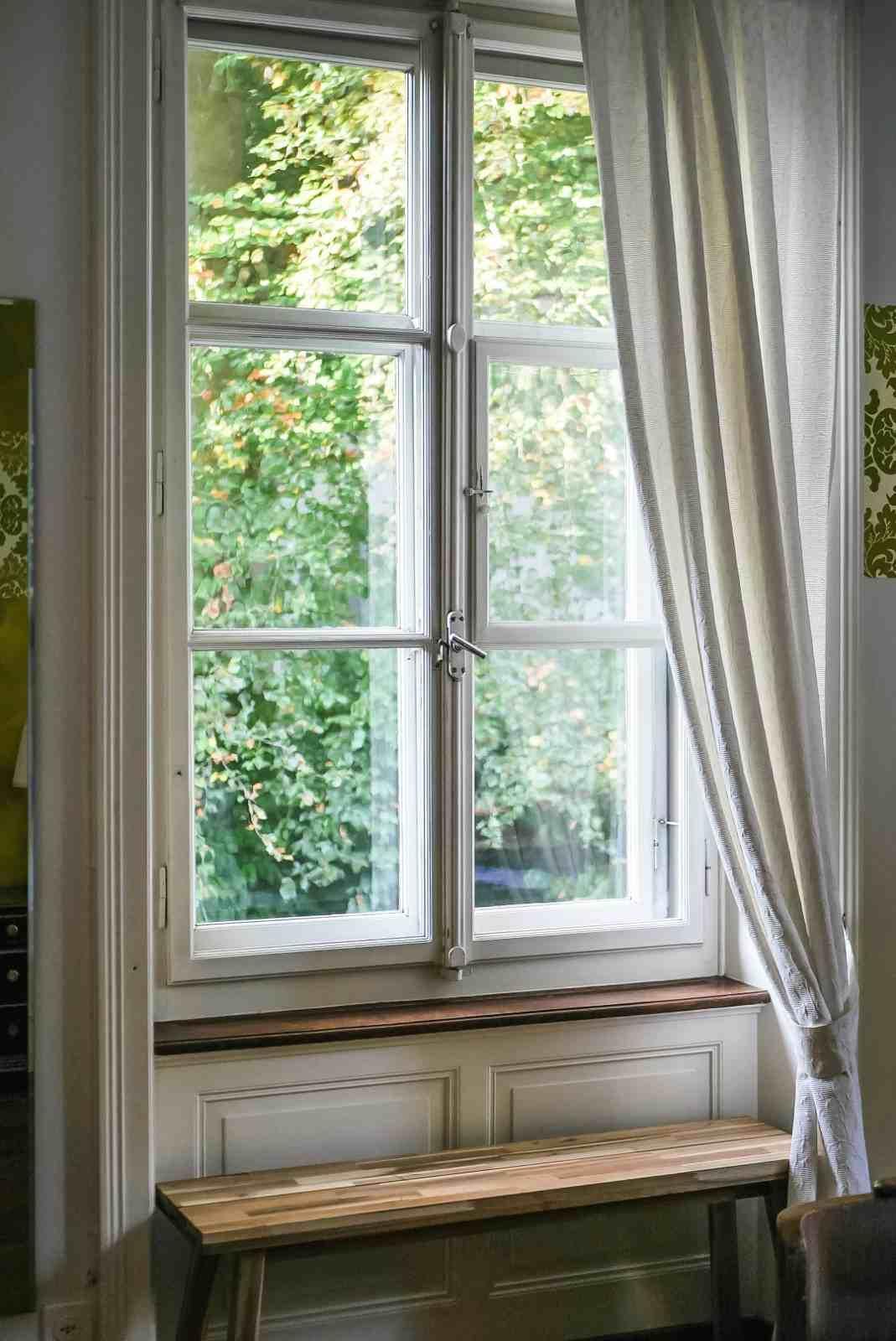
Choosing curtains may seem like a straightforward decorating decision, but the right window coverings can influence the comfort, appearance, and functionality of an entire room. In Washington, DC, residential architecture varies considerably, from historic rowhouses and traditional townhomes to contemporary condominiums and spacious apartments. These different building styles often feature window dimensions that do not accommodate standard curtain panels particularly well.
Made-to-measure curtains offer an alternative by allowing homeowners to select dimensions, fabrics, lining, and hanging arrangements according to their actual windows. Rather than adjusting a room around ready-made products, homeowners can choose window coverings that complement the existing architecture and their everyday requirements.
Why Standard Curtains Do Not Always Work
Ready-made curtains are manufactured in predetermined lengths and widths. Although these products can be convenient, their dimensions may not suit every residential window.
Older Washington, DC properties frequently have tall ceilings, deep window recesses, decorative trim, and unusually shaped openings. A standard curtain panel might fall several inches above the floor, appear too narrow when closed, or cover architectural details that homeowners want to preserve.
Wide windows present another challenge. Using insufficient fabric can create an uneven appearance, while oversized panels may gather awkwardly and interfere with furniture or nearby walkways.
These problems are not necessarily related to the quality of the curtain fabric. They often result from choosing dimensions without considering the window, surrounding walls, ceiling height, and intended hanging position.
Custom measurements help address these issues before the curtains are manufactured.
How Custom Measurements Create a Better Fit
Accurate measurements are among the most important parts of selecting curtains. The process involves more than determining the width and height of the glass.
A proper measurement plan considers the entire window area, including the available wall space, frame depth, mounting position, and distance between the curtain rod and floor.
For example, mounting a curtain rod closer to the ceiling can make a room appear taller. Extending the rod beyond the window frame can also allow the panels to sit outside the glass when opened, preserving more natural daylight.
Fabric fullness is another important consideration. Curtains need sufficient width to create attractive folds when closed. The appropriate amount depends on the fabric, pleat design, and desired appearance.
Homeowners considering Formal Curtains and Drapes in Washington, DC should also think about how the panels will hang when open and closed. A design that looks attractive in a showroom may behave differently when installed around a deep window or a narrow wall section.
Choosing Fabrics That Match Each Room
Fabric selection influences the appearance, weight, privacy, and maintenance requirements of curtains. The best choice depends on the room's purpose and the atmosphere homeowners want to create.
Living Rooms and Formal Sitting Areas
Living rooms often benefit from fabrics that balance natural light with privacy. Linen, textured fabrics, and carefully selected decorative materials can create an inviting appearance without making the space feel unnecessarily heavy.
For rooms with large windows, homeowners may prefer fuller panels that frame the glass while allowing them to move aside during the day.
Bedrooms and Private Spaces
Bedrooms generally require greater privacy and more control over incoming light. Heavier fabrics or lined curtains can help reduce unwanted brightness, particularly when windows face streetlights or neighboring properties.
A layered arrangement can provide additional flexibility. For instance, lightweight sheers can filter daylight while heavier outer panels offer greater coverage in the evening.
Dining Rooms
Dining rooms benefit from window coverings that complement furniture, lighting, and the overall interior design. Fabric texture, color, and curtain length should work with the room's existing features.
Homeowners should also consider practical maintenance when choosing materials for frequently used dining spaces.
What Should Washington, DC Homeowners Consider Before Ordering?
A successful curtain project begins with understanding how each window functions. Homeowners should evaluate several factors before choosing a fabric or final design.
Window dimensions: Measure the complete opening and available mounting area. Do not assume that windows in the same room have identical dimensions.
Ceiling height: Tall ceilings may require longer panels and carefully planned mounting positions to maintain balanced proportions.
Natural light: Consider whether the room receives direct sunlight, indirect daylight, or limited natural illumination throughout the day.
Privacy requirements: Street-facing windows may need additional coverage, while upper-floor windows might benefit from lighter materials.
Furniture placement: Sofas, beds, radiators, and other furniture can influence where curtains should hang and how far the panels can extend.
Existing architecture: Decorative molding, deep window frames, and historic trim should be considered during the planning process rather than treated as obstacles after installation.
These details help homeowners avoid purchasing curtains that look attractive individually but do not function properly in their intended spaces.
Why Professional Planning Makes a Difference
Selecting attractive fabric is only one part of a successful window-covering project. Measurements, hardware, installation height, pleat selection, and finishing details all contribute to the final appearance.
Homeowners exploring Made-to-Measure Curtains in Washington, DC can benefit from considering these elements together rather than treating each decision separately.
A professional consultation can help evaluate the window opening, available mounting space, desired curtain length, and practical requirements of the room. This is especially useful in properties where standard installation methods may not accommodate the existing architecture.
Hardware deserves particular attention. Curtain rods, tracks, brackets, and supporting fixtures must be appropriate for the panel weight and the wall or ceiling where they will be installed. Heavier lined curtains may require more substantial support than lightweight decorative panels.
Pleat style also influences how the finished curtains look. Pinch pleats create a more structured appearance, while other heading styles may provide a simpler or more contemporary finish. The selection should complement the interior rather than compete with it.
How Curtains Can Improve Privacy and Comfort
Window coverings contribute to more than interior decoration. They can help homeowners manage visibility, sunlight, and everyday room comfort.
In densely developed residential neighborhoods, some windows face sidewalks, nearby buildings, or busy streets. Curtains provide a flexible way to reduce outside visibility without permanently blocking the entire window.
Lined fabrics can also help limit incoming sunlight and reduce some temperature transfer around windows. Although curtains should not replace proper insulation, suitable fabric and lining choices can contribute to a more comfortable interior.
Sound is another consideration. Heavier, well-fitted curtains may soften some indoor and incoming street noise, although they should not be considered a substitute for dedicated soundproofing.
Layering different window coverings provides additional flexibility. Sheer panels can preserve daylight, while heavier drapes offer more privacy when needed. This arrangement allows homeowners to adjust their windows according to changing conditions throughout the day.
Coordinating Curtains With the Existing Interior
Curtains occupy a noticeable portion of a room's visual space. Their colors, textures, and proportions can influence how the entire interior feels.
Neutral fabrics often complement a wide range of furniture styles, while patterned materials can introduce visual interest. However, homeowners should consider existing rugs, upholstery, wall colors, and decorative finishes before selecting a design.
The curtain length should also suit the room. Floor-length panels can create a refined appearance, while shorter arrangements may be more practical in spaces where furniture or architectural features limit the available clearance.
Consistency matters when multiple rooms are part of the same project. Curtains do not need to match throughout an entire home, but coordinating fabric tones, hardware finishes, or design details can help create a connected interior.
Planning a Curtain Project Around Your Home
Before arranging a consultation, homeowners can prepare by identifying the rooms that need attention, noting approximate window dimensions, and collecting a few examples of preferred fabrics or styles.
It is also helpful to identify specific concerns, such as excessive sunlight, limited privacy, difficult window access, or unusually high ceilings. These details make it easier to evaluate suitable options.
For Washington, DC properties, building access, installation scheduling, and any applicable building requirements should also be considered before ordering materials.
A thoughtful planning process makes it easier to select curtains that complement the architecture, satisfy practical requirements, and remain visually appropriate over time.
Conclusion
The right curtains should fit the window, suit the room, and support the way homeowners use their living spaces. Custom measurements, appropriate fabrics, suitable lining, and properly selected hardware can make a meaningful difference compared with choosing standard panels without considering the surrounding architecture.
For homeowners in Washington, DC, taking time to evaluate window dimensions and interior requirements can lead to a more coordinated and functional result. A well-planned curtain installation brings together appearance, privacy, light management, and everyday comfort without compromising the character of the home.
More details are available at: Local Business Directory

 English
 Arabic
 French
 Spanish
 Portuguese
 Deutsch
 Turkish
 Dutch
 Italiano
 Romaian
 Portuguese (Brazil)
 Greek