
Why Do Skylights Leak in Las Vegas, NV, and How Can Homeowners Address the Problem?
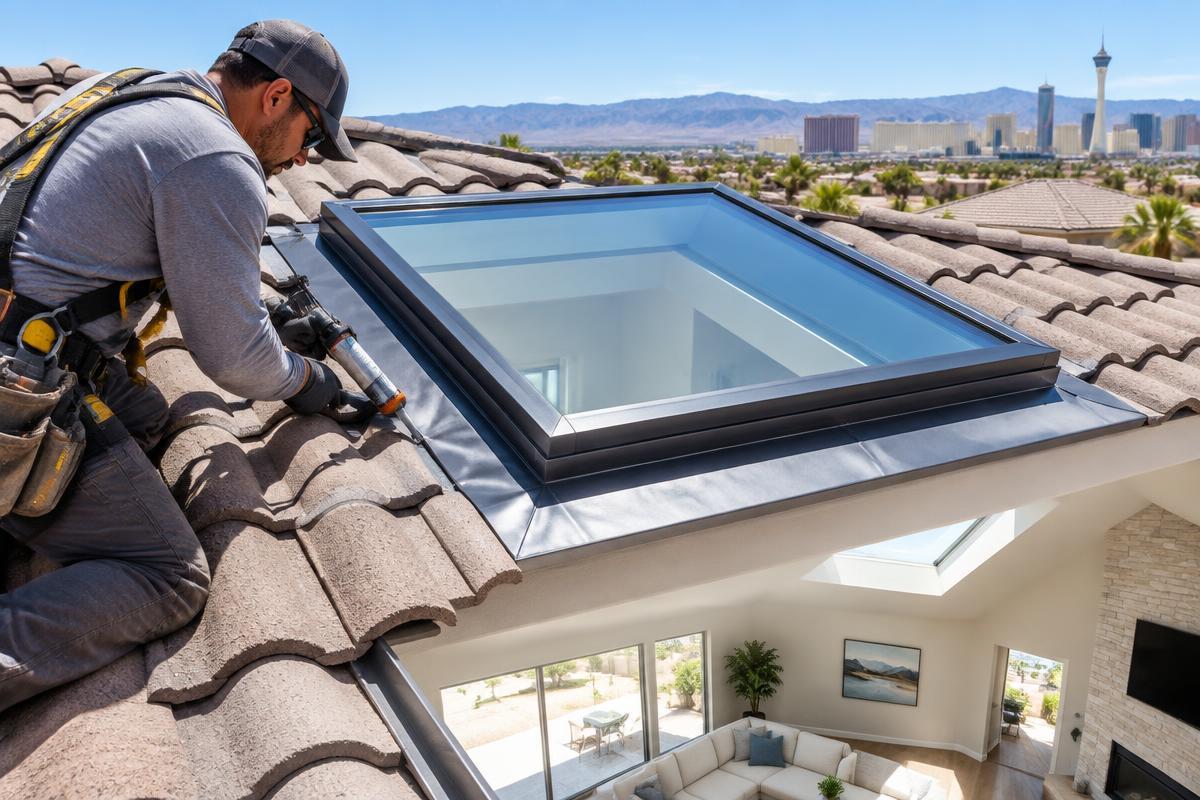
Skylights bring natural light into homes, creating brighter living spaces and reducing the need for artificial lighting during the day. They can also make rooms feel more open and comfortable. However, installing a skylight introduces an opening into the roof, which requires careful attention to waterproofing, structural support, and surrounding materials.
In Las Vegas, homeowners must consider environmental conditions when maintaining roof openings. Intense sunlight, high temperatures, seasonal winds, and sudden desert rainstorms can gradually affect roofing materials. When skylight components deteriorate or installation details fail, moisture can enter the property and cause damage.
Understanding why skylights leak, recognizing early warning signs, and knowing when professional attention is necessary can help homeowners protect their properties.
What Causes Skylights to Develop Roof Leaks?
A skylight consists of several components working together to keep the roof waterproof. These typically include the glass or dome, frame, curb, flashing, seals, and surrounding roofing materials. A problem with any of these components can create an entry point for moisture.
Deteriorating Flashing Around the Skylight
Flashing is one of the most important parts of a skylight installation. It directs rainwater away from the opening and prevents water from entering the roof assembly.
Over time, flashing can become loose, corroded, damaged, or improperly sealed. Strong sunlight and temperature changes may also affect certain sealants and connection points.
If flashing separates from the surrounding roofing materials, water may travel beneath the roof surface before becoming visible inside the house.
Damaged Glass, Frames, or Skylight Domes
Cracks in skylight glass or plastic domes can allow water to enter directly. Aging frames may also develop gaps around their edges.
Sometimes, homeowners mistake condensation for an actual roof leak. Condensation generally develops when warm, humid indoor air contacts a cooler skylight surface. A genuine leak, on the other hand, involves water entering from outside.
Understanding this difference is important because each problem requires a different solution.
Improper Installation or Aging Roof Materials
A skylight that was not installed with appropriate flashing and waterproofing details may experience problems much earlier than expected.
Roof movement, deteriorating underlayment, damaged shingles, and displaced tiles can also affect the waterproofing around an existing skylight.
In particular, tile roofs require careful attention because the visible tiles are not necessarily the primary waterproofing layer. The underlying roof materials and flashing play an essential role in preventing moisture intrusion.
How Does the Las Vegas Climate Affect Skylight Performance?
Las Vegas has environmental conditions that can place additional demands on residential roofing systems. Long periods of intense sunshine expose roof surfaces to substantial heat, while seasonal storms can introduce sudden rainfall and wind-driven moisture.
These conditions make proper skylight installation and maintenance especially important.
Prolonged Sun Exposure
Continuous exposure to ultraviolet radiation and high temperatures can gradually affect roofing sealants, exposed flashing materials, and certain skylight components.
Materials that expand and contract with temperature changes may develop weaknesses at connection points over time.
Homeowners should pay attention to aging seals, loose exterior components, and visible deterioration around roof openings.
Sudden Rainfall and Seasonal Storms
Even in a relatively dry climate, sudden rainstorms can reveal weaknesses that remain unnoticed during extended dry periods.
Wind-driven rain may reach vulnerable areas around skylight frames, roof penetrations, and flashing transitions. Water can then travel along the roof assembly and appear as a stain on an interior ceiling.
A skylight that appears perfectly functional during dry weather may still have an underlying waterproofing problem.
Dust and Outdoor Debris
Desert winds can carry dust, leaves, and other debris onto roof surfaces. When debris collects around drainage areas, it may interfere with normal water movement.
Keeping the surrounding roof area clear helps homeowners identify potential problems and maintain appropriate drainage.
When Should Homeowners Consider Professional Skylight Leak Repair?
Not every skylight problem requires complete replacement. Some issues involve damaged flashing, deteriorated seals, or localized roofing defects that may be addressed through targeted repairs.
Recognizing the warning signs early can help prevent a relatively small problem from developing into more extensive property damage.
Common Warning Signs to Watch For
Homeowners should investigate the following conditions:
-
Water stains appearing around the skylight opening.
-
Damp drywall or ceiling discoloration.
-
Visible cracks in skylight glass or plastic domes.
-
Loose or deteriorating exterior flashing.
-
Water droplets appearing after rainfall.
-
Persistent moisture around the skylight frame.
-
Signs of damaged roofing materials nearby.
These symptoms do not automatically identify the exact source of a leak. Water can travel through roof assemblies before becoming visible indoors.
For this reason, homeowners looking into Skylight Installation in Las Vegas, NV should also understand the importance of proper flashing, curb construction, and long-term waterproofing. A well-designed installation considers how the skylight connects with the entire roofing system rather than treating the window as an isolated component.
Why a Professional Inspection Matters
A professional inspection can help determine whether the issue originates from the skylight itself or from surrounding roofing materials.
An experienced roofing professional may examine the glass, frame, curb, flashing, nearby tiles or shingles, and underlying waterproofing materials.
Homeowners researching Skylight Leak Repair in Las Vegas, NV should look for a repair approach that addresses the actual source of moisture rather than simply covering visible gaps with additional sealant.
A proper assessment should also consider whether surrounding roof materials have deteriorated and whether more extensive work is necessary.
What Should Homeowners Expect During Skylight Leak Repairs?
The repair process depends on the skylight design, roof construction, and condition of the affected materials. A qualified roofing professional should evaluate these factors before recommending a solution.
Identifying the Source of Water Intrusion
The first step involves locating the actual entry point. Water stains inside a room do not always appear directly beneath the damaged area.
An inspection should examine exterior flashing, frame connections, curb details, and nearby roofing materials.
Identifying the source helps prevent unnecessary repairs and reduces the possibility of recurring leaks.
Repairing or Replacing Damaged Components
Depending on the findings, the appropriate solution may involve replacing deteriorated flashing, correcting installation details, repairing surrounding roofing materials, or installing a replacement skylight unit.
Cracked domes and damaged glass may require replacement rather than surface repairs.
The objective is to restore a properly integrated waterproofing system while preserving sound existing materials whenever practical.
Checking the Surrounding Roof Assembly
A skylight repair should not overlook the roof area surrounding the opening.
Damaged underlayment, loose tiles, deteriorated shingles, or compromised flashing transitions can continue allowing moisture into the property even after the skylight itself has been repaired.
A complete evaluation helps ensure that the recommended work addresses related roofing problems.
Can Proper Skylight Installation Help Prevent Future Leaks?
Yes. Proper installation plays an important role in protecting a property against water intrusion.
Homeowners considering a new skylight should evaluate more than its appearance and size. The roof structure, curb design, glazing specifications, flashing system, and surrounding materials all influence the finished installation.
Choosing Appropriate Glazing
Double-glazed skylights can provide additional insulation compared with some single-glazed alternatives. Low-E coatings are designed to manage heat transfer and help reduce unwanted solar heat gain.
Argon-filled glass units are another option used in certain insulated glazing systems.
The appropriate choice depends on the building design, existing roof structure, and homeowner requirements.
Ensuring Proper Curb and Flashing Construction
A properly constructed curb provides a stable mounting surface for the skylight. Flashing must then integrate correctly with the surrounding roof materials to direct water away from the opening.
On tile roofs, flashing details should accommodate the profile and arrangement of the tiles. On shingle roofs, the installation must account for the roofing layers and water-shedding pattern.
These details matter because even a high-quality skylight can experience leakage when its surrounding waterproofing is inadequate.
How Can Homeowners Maintain Their Skylights?
Routine attention can help identify developing problems before they become significant repairs.
Homeowners should periodically check interior ceilings for discoloration, inspect accessible skylight surfaces for visible damage, and pay attention to unusual moisture following rainfall.
Professional roof inspections are also useful, particularly when the roof is aging or has experienced severe weather.
Avoid climbing onto steep or fragile roofs without appropriate training and safety equipment. Skylight glass and domes should never be treated as walking surfaces.
If water intrusion occurs, documenting the affected area and arranging an inspection promptly can help determine the next appropriate step.
Protect Your Home With the Right Skylight Roofing Approach
Skylights can improve indoor comfort and bring valuable natural light into residential spaces, but their long-term performance depends on proper installation and ongoing roof maintenance.
In Las Vegas, intense sunshine, temperature fluctuations, and seasonal rainfall make waterproofing details especially important. Homeowners should not ignore ceiling stains, damaged flashing, cracked skylight components, or signs of moisture around roof openings.
A professional assessment can distinguish between minor component damage and more extensive roofing concerns. By addressing the underlying cause and maintaining the surrounding roof assembly, homeowners can make informed decisions about repairs, replacement, and future skylight improvements.
Choosing appropriate materials and paying attention to installation details can help maintain a brighter, more comfortable home while protecting the property from unwanted water intrusion.
More details are available at: Local Business Directory

 English
 Arabic
 French
 Spanish
 Deutsch
 Turkish
 Dutch
 Italiano
 Russian
 Romaian
 Portuguese (Brazil)
 Greek