
When Should Homeowners Consider Shingle Roof Replacement in Las Vegas, NV?
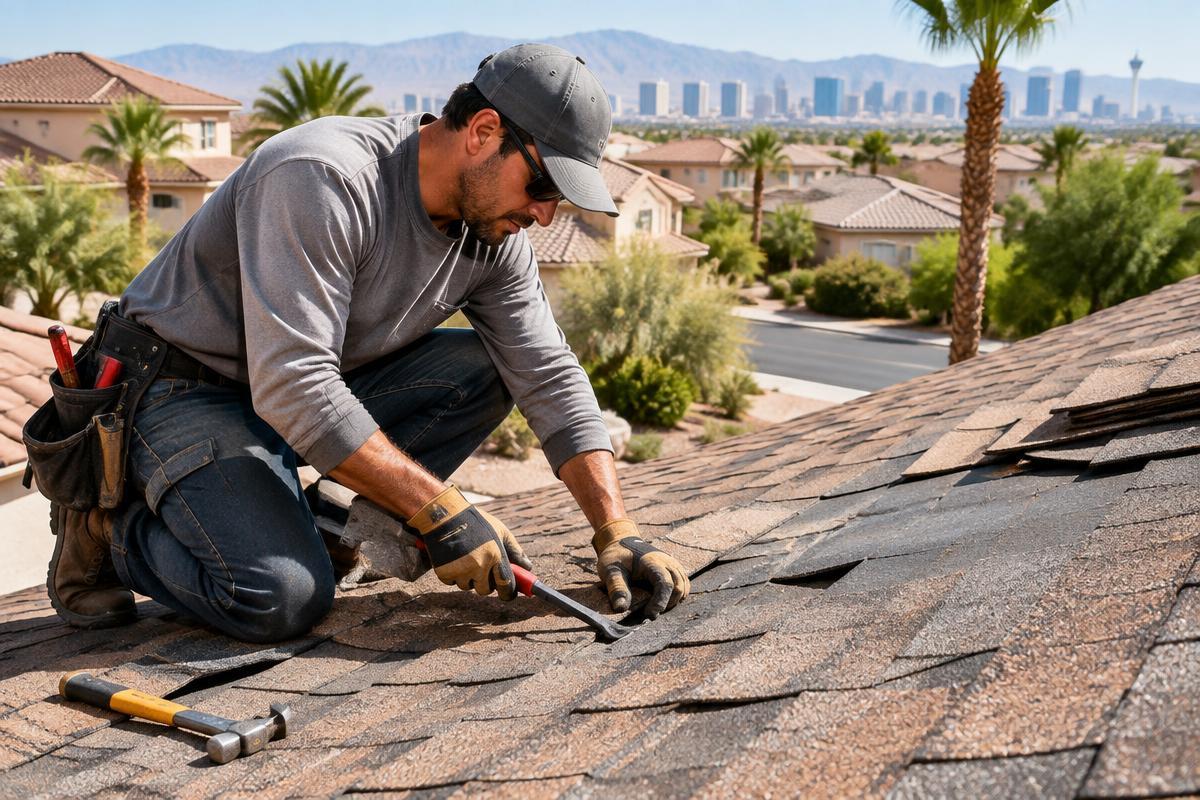
A residential roof does more than complete the appearance of a home. It protects the structure, insulation, interior spaces, and personal belongings from changing weather conditions. In Las Vegas, where intense sunshine, high temperatures, and occasional strong winds are part of the local climate, asphalt shingle roofs experience continuous environmental stress. Over time, this exposure can weaken roofing materials and reduce their ability to protect a property.
Many homeowners initially notice small problems, such as loose shingles, missing granules, or occasional water stains. Although some issues can be resolved through localized repairs, others may indicate that the roofing system is approaching the end of its useful service life. Understanding the difference helps homeowners make informed decisions before minor damage develops into a more extensive roofing problem.
How Does the Las Vegas Climate Affect Asphalt Shingle Roofs?
Las Vegas experiences prolonged periods of sunshine and elevated outdoor temperatures. These conditions expose roofing materials to repeated heating and cooling cycles. Asphalt shingles contain protective layers designed to withstand environmental exposure, but their condition can gradually deteriorate as they age.
Direct sunlight can contribute to the breakdown of asphalt components. Over time, shingles may lose protective granules, become less flexible, or develop visible surface damage. Once these protective characteristics weaken, roofing materials can become increasingly vulnerable to wind and moisture.
Wind is another consideration for local homeowners. Strong gusts can lift weakened shingle edges, loosen roofing tabs, and expose sections of the underlying roof structure. Even when damage appears limited to one area, surrounding materials should be inspected to determine whether the problem extends beyond the visible surface.
Seasonal rainstorms create additional concerns. Water can enter through damaged shingles, deteriorated flashing, or vulnerable roof penetrations. Therefore, regular roof inspections are important for identifying weaknesses before they affect ceilings, insulation, or interior finishes.
What Warning Signs Suggest a Roof May Need Replacement?
Not every damaged shingle means an entire roof needs to be replaced. However, several warning signs can indicate that localized repairs may no longer provide a practical long-term solution.
1. Widespread Shingle Deterioration
Shingles that are curling, cracking, or losing significant amounts of protective granules may indicate aging across multiple roof sections.
When deterioration appears in several locations, replacing individual shingles may not address the underlying condition of the roofing system. An inspection can help establish whether the damage is isolated or widespread.
2. Repeated Roof Leaks
A roof leak should never be ignored, even when the visible water stain seems small. Moisture can travel beneath roofing materials before appearing inside the home.
If leaks continue returning after previous repairs, the roof may have multiple vulnerable areas. Deteriorated underlayment, damaged flashing, and aging shingles can all contribute to recurring moisture intrusion.
3. Missing or Loose Shingles
Missing shingles leave sections of the roof more exposed to environmental conditions. Loose tabs can also allow wind-driven rain to enter beneath surrounding materials.
A few missing shingles may be repairable. However, repeated shingle displacement across different roof sections deserves a more comprehensive evaluation.
4. Visible Damage Around Roof Edges and Penetrations
Roof valleys, ridges, plumbing vents, and flashing transitions require particular attention because these areas help direct water away from vulnerable openings.
Damaged flashing or deteriorated vent pipe boots can create entry points for moisture. During a roof evaluation, these components should be examined alongside the surrounding shingles.
Should You Repair the Existing Roof or Replace It?
One of the most important decisions for a homeowner is determining whether the existing roof can be restored through targeted repairs or requires complete replacement.
The answer depends on several factors, including the age of the roofing materials, the extent of deterioration, the condition of the underlying decking, and the frequency of previous repairs.
When damage is limited to a small section, repairing or replacing individual shingles may be sufficient. A professional inspection can identify damaged tabs, loose materials, and compromised flashing without automatically recommending a complete roofing project.
For homeowners experiencing these problems, Asphalt Shingle Roof Repair in Las Vegas, NV can address localized damage and help protect the existing roofing structure when the surrounding materials remain in suitable condition.
Replacement becomes a more relevant consideration when deterioration affects large portions of the roof, leaks repeatedly return, or the underlying materials show signs of significant damage. In these situations, continuing to repair isolated sections may not provide the same level of protection as installing a new roofing system.
Understanding the Long-Term Considerations
The lowest immediate repair cost does not always represent the most practical decision. Repeated service visits, recurring leaks, and continued material deterioration can create additional expenses.
On the other hand, replacing a roof that only needs a minor repair may involve unnecessary work.
Homeowners should request a clear explanation of the existing roof condition, the recommended work, and the expected benefits of each option. A reliable assessment should consider the entire roofing assembly rather than focusing exclusively on visible shingle damage.
What Happens During a Professional Shingle Roof Replacement?
A complete roof replacement involves more than removing old shingles and installing new ones. Each stage contributes to the performance and durability of the finished roofing system.
Inspecting the Existing Roofing Structure
The process generally begins with an evaluation of the existing roof. Contractors examine shingle condition, flashing, roof edges, valleys, ventilation components, and potential moisture intrusion points.
The condition of the underlying decking is also important. Damaged or deteriorated wood may need attention before new roofing materials are installed.
Removing Existing Roofing Materials
Once the replacement plan is established, the existing roofing materials are removed according to the project requirements.
This stage provides an opportunity to inspect the exposed roof deck and identify problems that may have been hidden beneath the old shingles.
Preparing the Roof Deck
A properly prepared roof deck provides a stable foundation for the new roofing system.
Any deteriorated sections should be evaluated and addressed before installation continues. Contractors also need to consider the appropriate underlayment and protective components for the particular roof design.
Installing New Shingles and Protective Components
After preparation, the selected roofing materials are installed according to manufacturer specifications and applicable building requirements.
This includes attention to shingle alignment, fastening patterns, ridge details, flashing transitions, and other vulnerable areas. Proper installation helps the roofing system function as a coordinated protective assembly.
For homeowners considering a complete roofing project, Shingle Roof Replacement in Las Vegas, NV provides a relevant starting point for understanding the replacement service and its role in protecting residential properties.
Which Roofing Materials Should Homeowners Consider?
Choosing replacement materials requires more than comparing colors or exterior appearances. Homeowners should consider the roof's design, exposure to sunlight, expected maintenance requirements, and compatibility with the existing structure.
Architectural asphalt shingles are one option for residential roofing projects. They are available in different styles and profiles, allowing property owners to select an appearance that complements their home's exterior.
Material selection should also account for wind resistance, manufacturer installation requirements, fire classification, and applicable local building codes.
Underlayment is another important component. It provides an additional protective layer beneath the shingles and contributes to the overall roofing assembly. Flashing, ridge components, and properly secured roof edges also deserve attention during installation.
A knowledgeable roofing professional can explain the available options and help homeowners understand which materials are appropriate for their particular property.
How Can Homeowners Protect Their New Roof?
Roof replacement is a significant property maintenance decision, but ongoing attention remains important after installation.
Homeowners can take several practical steps to monitor roof condition and reduce the likelihood of unnoticed problems.
-
Schedule periodic professional roof inspections.
-
Pay attention to visible shingle damage after strong winds.
-
Keep gutters and drainage pathways clear.
-
Address damaged flashing and roof penetrations promptly.
-
Investigate interior ceiling stains or signs of moisture.
-
Maintain appropriate attic ventilation where applicable.
-
Keep records of roofing inspections, repairs, and installation documentation.
Avoid walking directly on the roof to investigate suspected damage. Improper access can create additional problems and introduce unnecessary safety risks. Professional inspections are generally a better approach.
Making an Informed Roofing Decision in Las Vegas
A deteriorating roof does not always require immediate replacement, but delaying necessary work can allow existing problems to become more extensive. The most appropriate solution depends on the condition of the shingles, the underlying structure, and the overall performance of the roofing system.
Las Vegas homeowners should pay particular attention to curling shingles, missing materials, recurring leaks, and deterioration around vulnerable roof components. A detailed inspection can help distinguish between problems that require localized repairs and conditions that justify a complete replacement.
Ultimately, a well-planned roofing project begins with an accurate assessment, suitable materials, and careful installation. By understanding the available options and addressing problems at the appropriate time, homeowners can make more confident decisions about protecting their properties for the years ahead.
Additional Considerations Before Hiring a Roofing Contractor
Before approving a replacement project, homeowners should understand the proposed scope of work. Ask which materials will be removed, how damaged decking will be handled, and what underlayment and flashing components are included in the installation.
It is also useful to review the written estimate, project timeline, material specifications, and applicable workmanship or manufacturer warranties. Confirm that the contractor holds the appropriate Nevada credentials and insurance for the work being performed.
Clear communication before construction begins can help prevent misunderstandings and make it easier to evaluate the completed project. A thorough proposal should explain the work rather than relying on vague promises about roof performance.
More details are available at: Local Business Directory

 English
 Arabic
 French
 Spanish
 Portuguese
 Deutsch
 Turkish
 Italiano
 Russian
 Romaian
 Portuguese (Brazil)
 Greek