
Creative Ways Tennis Clubs Can Build a Stronger Community
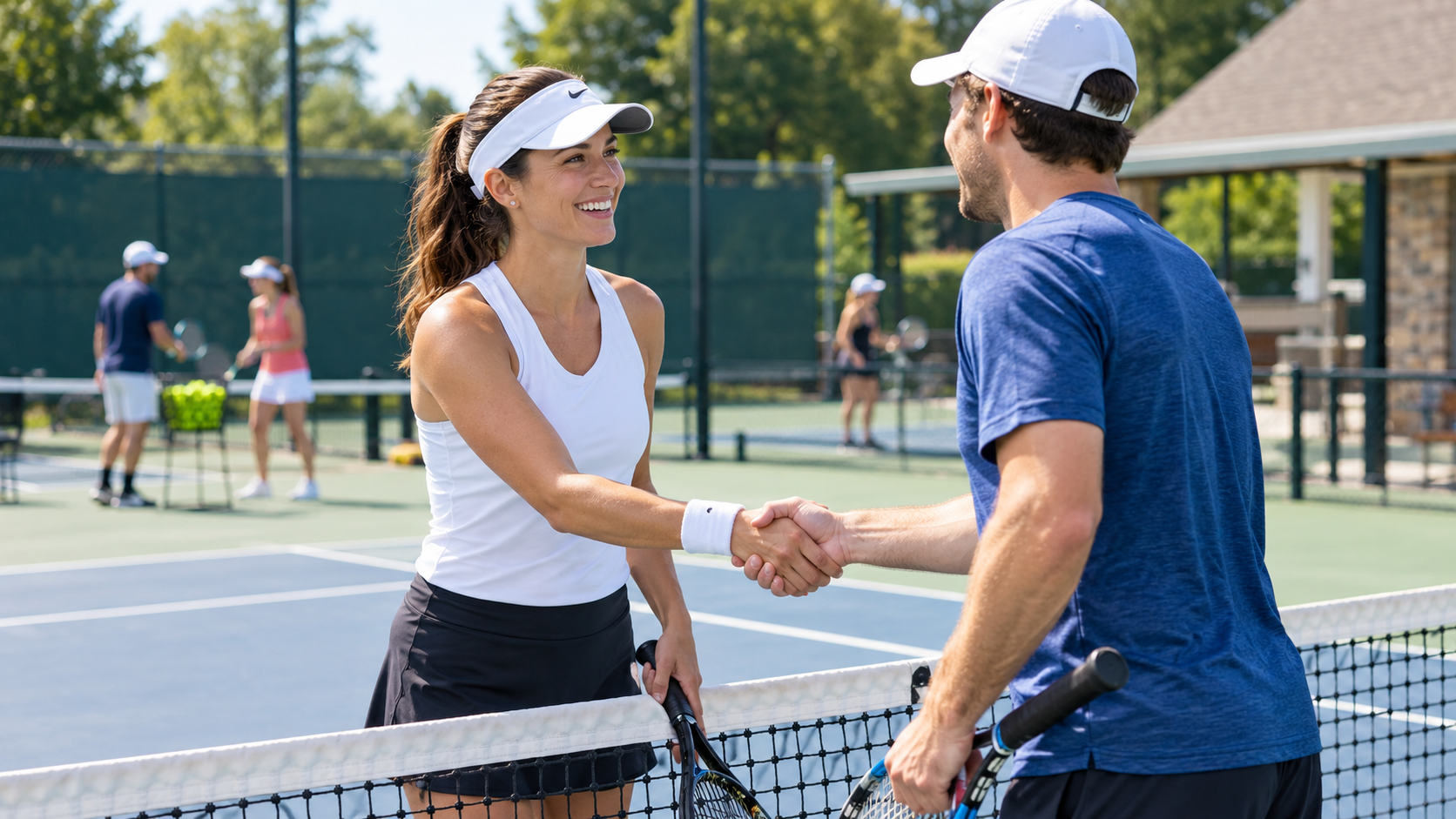
A tennis club is about much more than courts, rackets, and competitive matches. It is a place where people develop friendships, share experiences, improve their skills, and enjoy spending time with others who love the game. While great facilities and professional coaching are important, the strongest clubs are often those that make every member feel welcome and connected.
Building a tennis club community requires more than organizing regular matches. It involves creating opportunities for players of different ages, abilities, and backgrounds to interact both on and off the court. From friendly doubles competitions to family events and social gatherings, small creative ideas can make a meaningful difference.
Whether a club serves beginners, experienced players, juniors, or recreational athletes, there are several ways to create a more connected and enjoyable environment.
1. Organize Social Tennis Events for All Skill Levels
One of the easiest ways to bring members together is through regular social tennis events. Traditional tournaments are exciting, but they can sometimes feel intimidating for beginners or casual players who are still developing their confidence.
Instead, clubs can organize round-robin events, mixed doubles evenings, friendly match days, and beginner-friendly tennis sessions. These activities allow participants to meet different opponents without the pressure of winning every match.
For example, a weekly social doubles evening can encourage members to rotate partners and opponents throughout the session. This creates natural opportunities for conversations and helps players become familiar with more people.
Clubs can also introduce themed events, such as:
-
Bring-a-Friend Tennis Days.
-
Weekend Mixed Doubles Socials.
-
Beginner-Friendly Match Nights.
-
Family Tennis Challenges.
-
Seasonal Club Championships.
These tennis club social activities make participation more enjoyable and give members something to look forward to throughout the year.
2. Create Opportunities for Beginners and Experienced Players to Connect
A welcoming tennis club should make every player feel that they belong, regardless of their experience. New members sometimes hesitate to participate because they do not know anyone or worry that their playing ability will not match the group.
Clubs can solve this problem by introducing a member welcome program. Experienced players can volunteer as mentors, helping newcomers understand club activities, find suitable playing partners, and become comfortable with the environment.
Another useful idea is to create skill-based playing groups. Beginners can enjoy relaxed sessions with other developing players, while intermediate and advanced members can participate in more challenging matches.
Occasionally bringing these groups together through team challenges or social doubles events can also strengthen relationships across different playing levels.
This approach supports connecting tennis players who might otherwise never meet. It also creates a positive atmosphere where members feel encouraged to improve without feeling judged.
3. Introduce Family-Friendly Activities and Junior Programs
Tennis becomes even more meaningful when families can enjoy it together. Clubs that offer activities for children, parents, and other family members create stronger relationships that extend beyond individual memberships.
Junior development programs are an excellent starting point. Children can learn essential tennis skills, develop coordination, build confidence, and form friendships with other young players.
However, clubs should also think beyond regular lessons. Family doubles tournaments, parent-child challenges, junior exhibition matches, and holiday tennis events can make the experience more memorable.
For example, a family tennis afternoon could include:
-
Short tennis activities for younger children.
-
Friendly doubles matches for parents and older players.
-
Fun serving and accuracy challenges.
-
Group refreshments after playing.
-
Small prizes for participation and teamwork.
These activities encourage families to spend quality time together while introducing new people to the club.
When children develop friendships and parents feel connected to other families, the club becomes a regular part of their social lives.
4. Build Connections Beyond the Tennis Court
Strong communities are not built entirely through sports. Sometimes the most meaningful friendships develop during conversations before or after a match.
Tennis clubs can encourage these interactions by creating comfortable social spaces and organizing activities outside regular playing schedules.
A simple clubhouse gathering, seasonal celebration, or member appreciation event can help people connect in a relaxed setting.
Some creative ideas include:
-
Monthly coffee mornings for members.
-
Summer barbecue and tennis evenings.
-
Holiday celebrations and themed gatherings.
-
Club volunteer appreciation days.
-
Member birthday and achievement celebrations.
-
Group outings and local sporting events.
Clubs can also create informal communication groups or online member communities where players can share match invitations, club updates, photos, and upcoming events.
The goal is to make members feel that they are joining a community rather than simply paying for court access.
5. Encourage Teamwork Through Club Challenges and Volunteer Opportunities
Friendly competition can bring people together when the focus is on participation and teamwork. Instead of organizing only individual tournaments, clubs can introduce team-based activities that encourage members to support one another.
For example, an interclub challenge can divide members into small teams based on skill levels. Teams earn points through doubles matches, serving challenges, and participation in club activities.
A monthly team competition gives players a shared goal and encourages them to build relationships with teammates.
Volunteer opportunities are equally valuable. Members can help organize tournaments, welcome new players, support junior events, or assist with community outreach programs.
Clubs can also introduce a member ambassador program in which enthusiastic players help newcomers feel included.
When members contribute their time and ideas, they develop a stronger sense of ownership and pride in the club. They become active participants in its growth rather than simply visitors using its facilities.
6. Make Community Building a Year-Round Priority
A successful tennis community needs consistent engagement. Organizing one large event every few months may create excitement, but regular opportunities for interaction help maintain long-term relationships.
Clubs should develop an activity calendar that includes tennis sessions, social events, junior programs, tournaments, and seasonal celebrations.
Indoor facilities are particularly valuable during colder months because they allow members to maintain their playing routines and social connections throughout the year.
Communication also plays an important role. Regular newsletters, social media updates, event reminders, and member highlights help everyone stay informed and involved.
Clubs can ask members for feedback through short surveys or informal conversations. Understanding which activities people enjoy makes it easier to plan events that genuinely meet their interests.
Recognizing member achievements is another simple but effective strategy. Celebrating a junior player's progress, welcoming a new member, or highlighting a successful club event helps create a positive and supportive environment.
Consistency makes community engagement part of the club's identity rather than an occasional activity.
Conclusion
A great tennis club is built through relationships as much as through excellent facilities and quality coaching. Social doubles events, beginner-friendly sessions, family activities, team challenges, and opportunities to connect outside the court can transform the overall member experience.
Building a tennis club community takes creativity, consistency, and a genuine interest in bringing people together. When members feel welcomed, supported, and included, they are more likely to participate regularly, develop lasting friendships, and remain connected to the club.
Ultimately, the strongest tennis communities are those where people come not only to play the game but also to enjoy the friendships and shared experiences that make tennis special.

 English
 Arabic
 Spanish
 Portuguese
 Deutsch
 Turkish
 Dutch
 Italiano
 Russian
 Romaian
 Portuguese (Brazil)
 Greek