
Commercial Truck Air Conditioning Failures: Maintenance Challenges for Fleet Operators
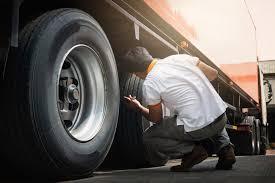
If your truck's air conditioning system breaks down while you are on the way delivering your goods, this is not just a simple inconvenience for you in terms of driving comfort. It could be challenging to drive a truck in hot conditions, and it becomes yet another repair job for your fleet manager to squeeze into his or her busy schedule. As far as owner-operators are concerned, unexpected breakdowns result in lost working time and delays in deliveries. This is why prompt truck AC repair in Lakeland is important for commercial fleets in Florida.
Why Commercial Truck AC Systems Face Tough Conditions
Heavy commercial trucks often spend many hours driving on highways, at loading docks, and in traffic jams. They have to operate in conditions of high temperatures, dust, road dirt, and constant vibrations. Such conditions can damage the components over time.
In contrast to a car that travels for short distances, a commercial truck can operate for several hours a day. Moreover, the AC system of a truck may not be able to cool down the cab when the truck is idling in hot weather or stuck in traffic jams.
The problem for the fleet manager is to detect warning signs before the minor problems turn into a full AC breakdown.
Common Causes of Truck AC Failures
Identifying the reasons for air conditioning malfunctions will be useful for managers of vehicle fleets in planning maintenance and saving money on repairs.
1. Refrigerant Leaks
Refrigerant helps the AC system remove heat from the cab. If there is a leak anywhere along the hose, seal, fitting, condenser, or compressor, then the AC system will lose its cooling capability.
The driver will feel that the air coming from the vents is not as cold as before or that the AC system is working intermittently. Just adding more refrigerant will not solve the problem if there is still a leak.
The mechanic needs to find the leak and repair the part.
2. Compressor Problems
The compressor pumps the refrigerant around the AC system. If the compressor is worn out, has an internal problem, or has a faulty clutch or pulley, cooling will be reduced or cease entirely.
Strange sounds, ineffective cooling, and cycling of the compressor are signs that something is wrong with the compressor. But these signs could also indicate other problems, so changing the compressor without diagnosing the problem is a waste of money.
Fleet owners should have their AC systems inspected immediately upon noticing these signs rather than waiting for the system to fail completely.
3. Dirty Condensers and Restricted Airflow
The condenser releases heat from the refrigerant and is exposed to dirt, insects, and road debris. When its fins become blocked or damaged, heat cannot escape efficiently.
This can reduce cooling performance, especially in hot weather or when a truck is idling. Dirty cabin filters, clogged evaporators, and weak blower motors can also reduce airflow inside the cab.
Cleaning the condenser carefully and checking the filters, fans, and airflow during scheduled maintenance can help prevent these problems.
4. Electrical and Belt Issues
AC failures are not always caused by refrigerant or major components. Damaged wiring, faulty switches, worn belts, bad connections, and failing sensors can also stop the system from working correctly.
For example, a loose electrical connection may cause the AC to work intermittently. A worn or slipping belt can affect compressor operation on systems that use an engine-driven belt.
Checking these smaller parts during routine service can help avoid unnecessary replacements and repeated workshop visits.
How AC Failures Affect Fleet Operations
A faulty AC system can create several problems for a commercial operation.
Driver comfort and alertness: Long shifts in a hot cab can increase discomfort and fatigue. Keeping the cab at a reasonable temperature supports a more manageable working environment for drivers.
Unexpected downtime: If the AC fails during a route, a truck may need an unscheduled inspection or repair. That can affect delivery times and leave dispatchers scrambling to adjust assignments.
Higher maintenance costs: Ignoring weak cooling or unusual noises can allow an underlying problem to worsen. A small leak or electrical fault may be easier to address than damage caused by continued operation with a serious mechanical issue.
Driver retention: Reliable equipment makes daily work more manageable. While AC maintenance alone cannot solve driver turnover, keeping trucks comfortable and in good working condition can contribute to a better working environment.
Epika Fleet Services provides commercial fleet maintenance and repair support to help operators address vehicle issues and manage downtime. Planning service around a fleet's operating schedule can make it easier to deal with AC problems before they disrupt important deliveries.
Preventive Maintenance Tips for Fleet Managers
A simple maintenance routine can help identify AC problems before they become urgent repairs. Fleet managers can include the following checks in their existing inspection schedules:
-
Test cooling performance: Check whether the AC delivers consistent cooling during normal operation.
-
Inspect hoses and connections: Look for visible damage, loose fittings, and signs of refrigerant or oil leakage.
-
Check condenser condition: Remove accumulated debris carefully and inspect for bent fins or damage.
-
Review belts and electrical connections: Look for wear, loose connections, and other visible issues.
-
Replace filters when needed: Follow the vehicle manufacturer's recommended service intervals and inspect filters more often in dusty operating conditions.
-
Record recurring complaints: Note which truck has an AC problem, when it occurs, and what repairs have already been completed.
These records help maintenance teams identify repeated issues and make better decisions about repairs. They can also help fleet managers schedule work during planned downtime instead of interrupting a delivery at the last minute.
Because refrigerant handling requires the correct equipment and procedures, trained technicians should perform leak testing, pressure checks, recovery, and recharging. Guessing the refrigerant level or adding more without diagnosing the problem can lead to further issues.
When Should You Schedule Truck AC Repair?
Do not wait until the AC stops blowing cold air completely. Weak airflow, warm air, unusual noises, unpleasant odors, or cooling that changes between idle and highway speeds are all reasons to arrange an inspection.
If a driver reports a sudden change, document the symptoms and schedule a diagnostic check. If the issue comes with smoke, a burning smell, or a suspected belt or mechanical failure, stop the vehicle safely and have it assessed before continuing.
Epika Fleet Services can be considered when commercial operators need support with fleet maintenance and vehicle repairs. Addressing AC problems early helps managers plan service, control avoidable expenses, and keep their trucks available for scheduled work.
Keep Your Fleet Ready for the Road
Commercial truck AC failures can affect driver comfort, maintenance budgets, and delivery schedules, especially during Florida's hotter months. Regular inspections, clean filters and condensers, and prompt attention to cooling problems can help reduce unexpected downtime. Rather than waiting for a complete failure, make AC checks part of your fleet's maintenance routine and keep a record of recurring issues. When cooling performance starts to decline, arranging truck AC repair in Lakeland can help identify the cause and determine the right repair. With timely maintenance and dependable service support from Epika Fleet Services, fleet operators can keep their trucks comfortable, reliable, and ready for the next run.

 Arabic
 French
 Spanish
 Portuguese
 Deutsch
 Turkish
 Dutch
 Italiano
 Russian
 Romaian
 Portuguese (Brazil)
 Greek