
How Clinic Experience Influences Your Hair Transplant Journey
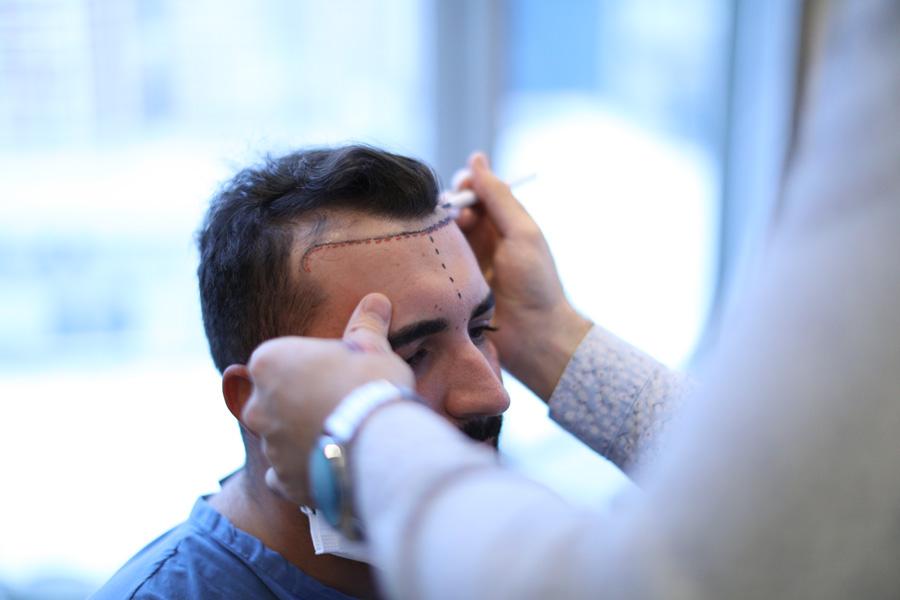
A hair transplant in Islamabad is an important decision for individuals experiencing hair thinning, receding hairlines, or pattern baldness. While the procedure itself plays a major role in restoring hair, the experience and expertise of the clinic can significantly influence the overall treatment journey. From the initial consultation to post-operative care, every stage requires proper assessment, professional guidance, and careful planning. Choosing an experienced clinic helps patients understand their options, set realistic expectations, and make informed decisions about hair restoration.
Clinic experience is not only about the number of procedures performed. It also involves the medical team's qualifications, surgical techniques, patient communication, hygiene standards, and ability to manage different hair loss conditions.
Why Clinic Experience Matters in Hair Transplant Treatment
An experienced hair transplant clinic understands that every patient has different hair restoration needs. Factors such as age, hair density, donor area quality, scalp condition, and the pattern of hair loss influence treatment planning.
A clinic with relevant experience can provide a more structured approach by evaluating these factors before recommending a procedure.
Important aspects of clinic experience include:
-
Patient assessment: Understanding the causes and extent of hair loss before recommending treatment.
-
Treatment planning: Developing an approach based on the patient's hair characteristics and restoration goals.
-
Surgical expertise: Having qualified professionals who understand hair transplantation techniques.
-
Patient safety: Following appropriate medical protocols and maintaining hygienic treatment environments.
-
Aftercare guidance: Providing instructions and follow-up support throughout recovery.
These factors contribute to a more informed and organized hair transplant experience.
How Experienced Specialists Improve Treatment Planning
Hair transplant planning requires more than deciding how many grafts a patient needs. Specialists must examine the scalp, evaluate the donor area, and consider how hair loss may progress over time.
An experienced specialist can help determine whether a patient is suitable for hair transplantation and which technique may be appropriate.
During the consultation, the specialist may assess:
-
The pattern and severity of hair loss.
-
Hair thickness, texture, and natural growth direction.
-
Available donor hair at the back and sides of the scalp.
-
Existing hair density and scalp condition.
-
Expected coverage and realistic restoration goals.
Proper planning also helps avoid unrealistic expectations. For example, a patient with limited donor hair may require a different treatment strategy from someone with a healthy donor area.
The Role of Hair Transplant Techniques and Clinical Expertise
Different hair transplant techniques are available, and selecting the appropriate method depends on individual requirements. Experienced clinics understand the advantages, limitations, and suitability of different procedures.
FUE (Follicular Unit Extraction)
FUE involves extracting individual follicular units from the donor area and implanting them into areas affected by hair loss. It generally avoids the long linear scar associated with FUT.
FUT (Follicular Unit Transplantation)
FUT involves removing a strip of scalp from the donor area, from which follicular units are separated for transplantation. It may be suitable for selected patients depending on their donor characteristics and treatment goals.
DHI (Direct Hair Implantation)
DHI uses a specialized implantation device to place extracted hair follicles into the recipient area. Its suitability depends on the patient's condition and the surgeon's assessment.
An experienced clinical team should explain these options rather than recommending one technique to every patient. The right choice depends on medical suitability, donor availability, desired coverage, and professional judgment.
Why Patient Communication and Transparency Are Important
A positive hair transplant journey depends on clear communication between patients and medical professionals. Patients should understand what the procedure involves, how recovery may progress, and what results they can reasonably expect.
A professional clinic should provide clear answers about:
-
The surgeon's qualifications and experience.
-
The recommended hair transplant technique.
-
Estimated graft requirements and donor area limitations.
-
Procedure costs and what they include.
-
Possible risks, side effects, and recovery expectations.
-
Follow-up appointments and aftercare arrangements.
Patients should also have the opportunity to discuss their concerns before making a decision. Transparent communication builds confidence and helps individuals avoid choosing treatment based only on promotional offers or unrealistic promises.
How Aftercare Influences the Hair Restoration Journey
The hair transplant journey does not end when the procedure is completed. Post-operative care is an important part of the treatment process because the scalp needs time to heal and transplanted follicles require appropriate care.
An experienced clinic provides clear aftercare instructions according to the procedure and individual patient needs.
Common aftercare recommendations may include:
-
Following the prescribed scalp-washing instructions.
-
Avoiding unnecessary pressure or friction on the transplanted area.
-
Taking prescribed medications as directed.
-
Avoiding strenuous physical activity for the period recommended by the surgeon.
-
Attending scheduled follow-up appointments.
-
Contacting the clinic if unusual symptoms or complications develop.
Patients should understand that transplanted hair often sheds during the early recovery period. New growth generally develops gradually over several months, and final results may take around 12 months or longer, depending on individual circumstances.
Choosing a Reliable Hair Transplant Clinic in Islamabad
When considering hair restoration, patients should evaluate a clinic based on medical expertise, treatment transparency, consultation quality, and patient support. A reliable clinic should prioritize individual assessment rather than offering identical treatment plans to everyone.
For individuals exploring hair restoration options, SKN Cosmetics in Islamabad is a clinic worth considering when comparing hair transplant services. Patients can discuss their hair loss concerns, explore suitable treatment options, and seek professional guidance about hairline planning, donor area assessment, and recovery expectations. Before proceeding, individuals should verify the treating surgeon's qualifications, understand who performs each stage of the procedure, and discuss the expected outcomes and aftercare arrangements.
When comparing clinics, consider the following checklist:
-
Check the qualifications and relevant experience of the treating surgeon.
-
Ask about the clinic's experience with your specific hair loss condition.
-
Review genuine before-and-after photographs with similar cases.
-
Understand the recommended technique and graft distribution.
-
Confirm hygiene standards and medical safety procedures.
-
Discuss follow-up support and possible complications.
Taking time to compare these factors can help patients make a confident and informed decision.
What Makes a Hair Transplant Journey More Successful?
A well-managed hair transplant journey combines professional expertise, realistic planning, patient cooperation, and appropriate aftercare. Although no clinic can guarantee a particular outcome, experienced medical professionals can help patients understand the procedure and make decisions based on their individual needs.
Patients should remember that hair transplant results vary according to several factors, including donor hair quality, existing hair loss, surgical technique, healing response, and long-term hair loss progression.
Ultimately, choosing a clinic should be based on medical standards and professional experience rather than price alone. A carefully planned approach can make the treatment process more predictable, comfortable, and informed.
Frequently Asked Questions
Q1. Why is clinic experience important for hair transplants?
Experienced clinics can provide better assessment, treatment planning, surgical guidance, and aftercare.
Q2. Which hair transplant technique is best?
FUE, FUT, and DHI have different advantages. The suitable option depends on individual needs.
Q3. How long does hair transplant recovery take?
Initial healing usually takes around 1–2 weeks, while visible hair growth takes several months.
Q4. When can I see final hair transplant results?
Many patients see their final results around 12 months or later.
Q5. What should I check before choosing a hair transplant clinic?
Check surgeon qualifications, clinical experience, hygiene standards, treatment plans, and aftercare support.

 English
 Arabic
 French
 Spanish
 Portuguese
 Deutsch
 Turkish
 Dutch
 Italiano
 Russian
 Romaian
 Portuguese (Brazil)