
How Families Can Help NDIS Participants Build Everyday Skills
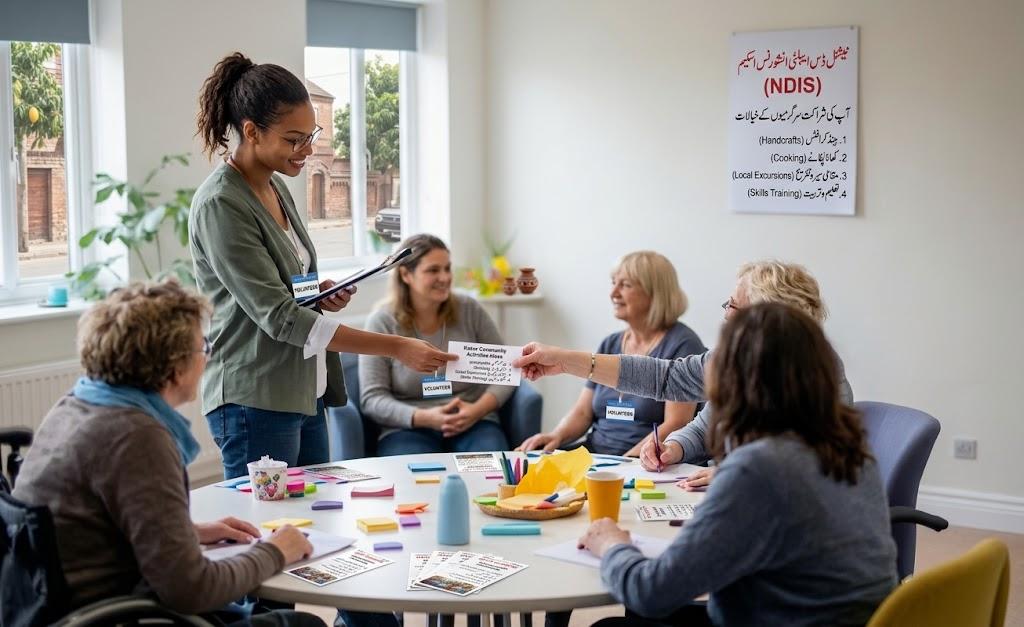
Families play a big part in helping someone learn everyday skills. Small, regular practice at home can make a real difference. This guide shares simple ways to help, how to step back, and how to work with a provider. It is written for family members, carers, and friends of NDIS participants. We are a registered NDIS provider on the Gold Coast, and our Baking Courses and cooking programs work best when families and workers practise together.
Why Families Matter
Families Know the Person Best
You know what your family member enjoys, what worries them, and what helps. That knowledge helps every skill-building plan.
Practice at Home Makes Skills Stick
Skills grow with repetition. Practising at home turns a class or session into a habit.
Skills Support Independence
Each new skill gives your family member more choice and control. That is the goal of independence.
Start With the Person’s Goals
Ask What They Want to Learn
Ask your family member what they would like to do on their own. Their answer is the best place to start.
Link Skills to Plan Goals
Goals such as “cook my own meals” or “catch the bus” give each skill a clear purpose. Ask the support coordinator to help link them.
Choose One Skill at a Time
One skill at a time keeps things calm and clear. Add a new skill when the first feels comfortable.
Simple Ways to Help at Home
Build Routines
A Daily Routine
A steady routine helps people know what comes next. Use a simple timetable with pictures or colours.
A Weekly Plan
Plan a few regular tasks, such as laundry on Monday and cooking on Wednesday.
Use Visual Supports
Checklists and Pictures
Step-by-step pictures help people follow tasks on their own. Put them where the task happens.
Timers and Reminders
Phone alarms and visual timers build time skills.
Cook Together
Start Simple
Pick a recipe with three or four steps, such as biscuits or toasted sandwiches. Explore our NDIS Baking Guides for easy ideas to try at home.
Share the Jobs
Give your family member a clear role, such as measuring or stirring. Roles build confidence and teamwork.
Practise Safely
Always practise heat and sharp tools with a trained support person nearby, especially at the start.
Share the Chores
Choose Tasks That Fit
Pick tasks the person can do with some help, such as folding towels or wiping benches.
Say What You Want Clearly
Use short, clear instructions. Show the task once, then let the person try.
Shop Together
Write the List Together
The person writes or chooses the list items, and you carry the plan.
Let Them Pay
Practise paying at the counter, with you close by. Each trip builds confidence.
How to Step Back
Ask Before Helping
Ask, “Would you like help?” before stepping in. That small question respects their choice.
Wait a Little Longer
Give extra time before you help. Patience lets the person find their own way.
Allow Small Mistakes in Safe Situations
Everyone learns from small mistakes. Stay calm and help them try again.
Celebrate Every Step
Praise effort, not only results. Praise builds motivation and pride.
Working With Your Provider and Support Workers
Share Your Goals and Ideas
Tell the provider what you see at home. Your view helps workers plan the right support.
Practise the Same Steps
Use the same words and the same steps as the support worker. Consistency helps skills stick.
Join a Class Together
Programs such as our ten-week baking course, which ends with a graduation and a certificate, give families something to celebrate. Our Baking Courses run in small groups, and workers can help your family member practise the recipes at home.
Healthy Cooking Programs
Our ten-week healthy cooking program suits participants aged 16 and over. Participants learn twelve breakfasts, eight lunches, and twelve dinners they can cook on their own.
Group Activities and Community
Our community access service includes group activities designed around the people taking part. We also deliver hands-on baking and chocolate-making sessions inside aged care homes, SIL houses, and supported living facilities across the Gold Coast and Brisbane.
Looking After Yourself as a Family Member
Share the Load
You do not have to do everything. Ask the provider, other family members, and friends for support.
Take Breaks
Rest helps you stay patient. A short break can make the next session easier.
Celebrate Together
Take time to notice progress. Shared celebration makes the whole family stronger.
How to Adapt Skills for Different Needs
Sensory Needs
Choose quiet times and calm spaces. Offer breaks and gentle textures.
Mobility Needs
Use accessible tools, comfortable seating, and regular rest stops.
Communication Needs
Use pictures, short sentences, and clear choices.
Can You Use NDIS Funding for Skill-Building Programs?
Funding depends on the plan. Skill-building programs such as Baking Courses may be funded under Capacity Building supports, and support worker hours may fall under Core supports. Plan-managed and self-managed participants can often use these supports. We give you a quote and a written service agreement before anything starts, and we tell you honestly if a service does not fit the funding.
How to Get Started
- Talk to your support coordinator or plan manager.
- Ask the provider for a quote and a written service agreement.
- Book a first session.
Ready to begin? Browse our NDIS Baking Guides, then contact our friendly team for a free chat.
Frequently Asked Questions
How can families help NDIS participants build everyday skills?
Start with the person’s goals, use routines and visual steps, practise one skill at a time, and step back as confidence grows.
What everyday skills can we practise at home?
Cooking, cleaning, laundry, shopping, and travel skills are good places to start. Choose what matters most to your family member.
How do I know when to step back?
Ask before helping, wait a little longer, and let the person try. Step in only if they ask or if safety needs it.
Can NDIS funding be used for skill-building programs?
It may be, depending on the plan. Check the goals and funding categories, and ask the provider for a written quote.
How can I work with the provider and support workers?
Share your goals, use the same steps at home, and ask for regular updates. Join a session if it helps.
 English
 Arabic
 French
 Spanish
 Portuguese
 Deutsch
 Turkish
 Dutch
 Italiano
 Russian
 Romaian
 Portuguese (Brazil)
 Greek