
How Digital Technology Is Transforming International Trade and Cross-Border Customs Operations
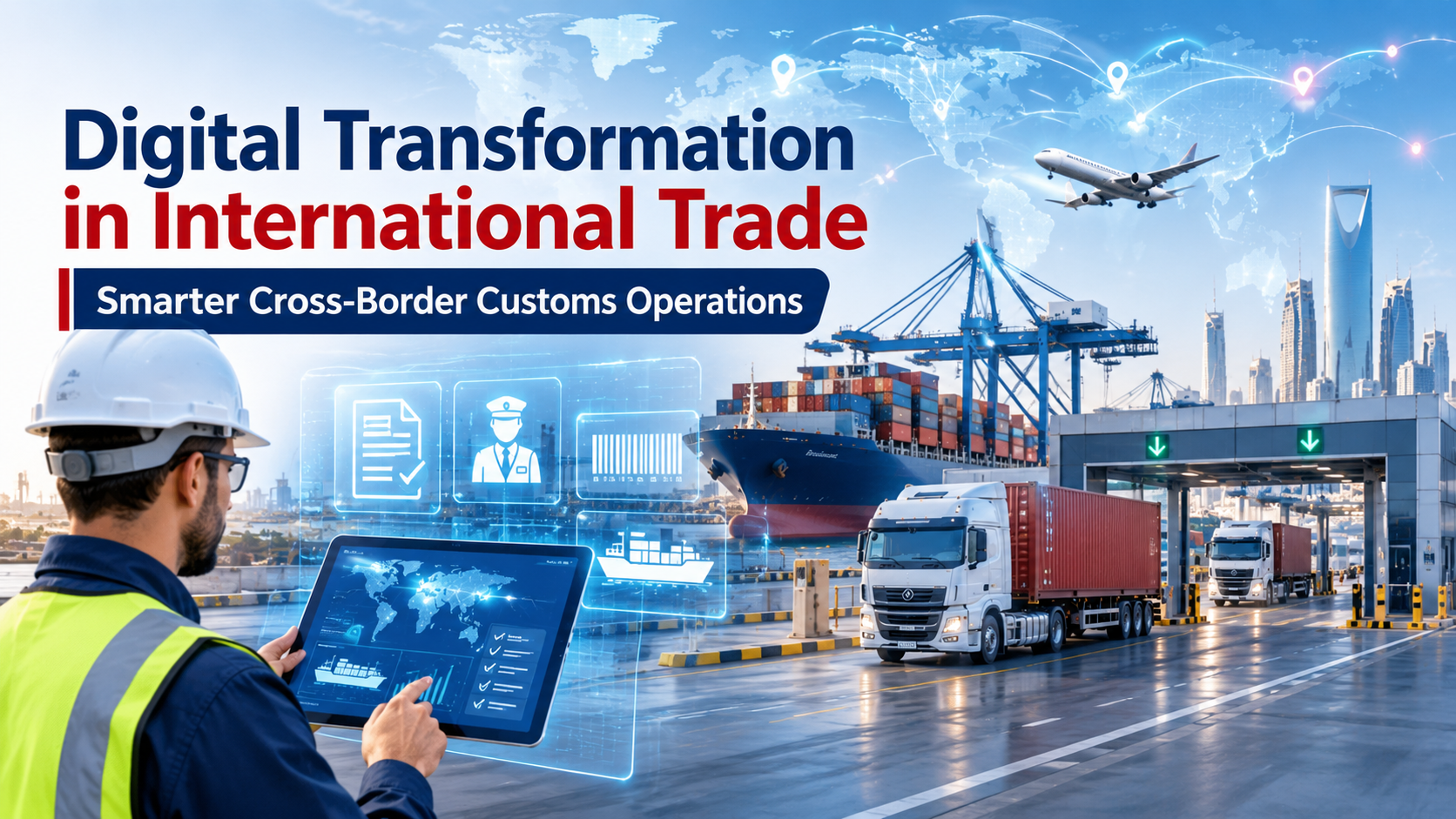
International trade has become increasingly dependent on technology, automation, and digital communication. Businesses involved in importing and exporting goods must manage complex documentation, customs regulations, transportation arrangements, and international compliance requirements. Digital solutions are making these processes faster, more transparent, and easier to manage.
For companies trading with Saudi Arabia, understanding the customs tariff in saudi arabia is an important part of international shipping and import planning. Digital customs platforms allow importers and customs professionals to access tariff information, identify product classifications, review applicable duties, and prepare documentation more efficiently.
From electronic customs declarations to artificial intelligence and real-time shipment tracking, technology is transforming how goods move across international borders. These developments are creating new opportunities for importers, exporters, manufacturers, and logistics providers.
2. The Role of Digital Technology in International Trade
Digital technology has changed how international businesses coordinate commercial transactions and manage global supply chains. Traditional trade operations often involved paperwork, manual data entry, physical document submissions, and lengthy communication between different authorities.
Modern digital systems help businesses complete many of these activities electronically.
Some important applications include:
-
Electronic Documentation: Digital invoices, certificates, and shipping documents reduce paperwork.
-
Online Customs Declarations: Importers can submit shipment information electronically.
-
Automated Payments: Businesses can pay applicable customs duties and service charges through digital channels.
-
Shipment Tracking: Real-time updates provide better visibility throughout transportation.
-
Digital Communication: Importers, exporters, customs brokers, and government authorities can exchange information more efficiently.
These developments help businesses improve operational efficiency while reducing administrative costs.
3. Digital Transformation of Cross-Border Customs Operations
Customs authorities worldwide are adopting digital systems to simplify border procedures and strengthen regulatory compliance.
Electronic Customs Clearance
Electronic customs clearance allows importers and authorized customs brokers to submit declarations, upload supporting documents, and monitor shipment progress online.
In Saudi Arabia, the Fasah platform connects stakeholders involved in import and export procedures. It supports electronic customs services, shipment tracking, and coordination between relevant government and private-sector entities.
This reduces dependence on traditional paperwork and helps businesses organize customs procedures before shipments arrive.
Automated Risk Assessment
Modern customs systems use data analysis and automated risk management to identify shipments that may require additional inspection.
These systems can evaluate information such as:
-
Product descriptions and HS codes
-
Country of origin
-
Importer and exporter information
-
Shipment documentation
-
Previous compliance records
Automated risk assessment helps customs authorities focus inspections where they are most necessary while supporting smoother processing for compliant shipments.
Digital Document Verification
Electronic document management makes it easier to review commercial invoices, packing lists, certificates of origin, and other supporting documents.
It also helps businesses identify missing information before submitting customs declarations, reducing the possibility of unnecessary processing delays.
4. How Technology Simplifies Customs Tariff Management in Saudi Arabia
Customs tariff management is an important part of international import operations. Importers need to identify the correct HS code, understand applicable duty rates, and check whether additional product-specific requirements apply.
Digital services make this process more accessible.
Online Customs Tariff Classification
Saudi Arabia's Zakat, Tax and Customs Authority (ZATCA) provides an Integrated Customs Tariff Inquiry service. Importers and suppliers can search for customs duties using product descriptions, keywords, tariff chapters, or Harmonized System codes.
The GCC integrated customs tariff also moved to a 12-digit classification level from January 1, 2025.
This digital access helps businesses research product classifications and prepare more accurate import cost estimates.
Better Import Cost Planning
Digital tariff information allows businesses to review applicable customs duties before arranging international shipments.
Importers should consider:
-
Correct product classification.
-
Applicable customs duty rates.
-
Product-specific restrictions or regulatory approvals.
-
VAT and other applicable charges.
-
Documentation and clearance expenses.
Understanding the customs tariff in saudi arabia before shipping helps businesses avoid unexpected costs and improve financial planning.
Improved Regulatory Compliance
Digital customs platforms provide access to updated tariff information and relevant import procedures. Businesses can use these resources to review product requirements and reduce classification or documentation mistakes.
However, tariff classification should always be verified against the official tariff schedule and applicable legal notes.
5. Key Technologies Transforming International Logistics
Several emerging technologies are changing how international shipments are monitored, processed, and delivered.
Artificial Intelligence and Machine Learning
Artificial intelligence can analyze large volumes of trade data, identify unusual shipment patterns, and support customs risk management.
Businesses can also use AI-powered tools to improve demand forecasting, inventory planning, and transportation decisions.
Internet of Things (IoT)
IoT devices connect physical shipments to digital monitoring systems.
For example, connected sensors can provide information about:
-
Shipment location
-
Temperature conditions
-
Humidity levels
-
Container security
-
Transportation conditions
This is particularly useful for sensitive goods such as pharmaceuticals, food products, and temperature-controlled cargo.
Blockchain Technology
Blockchain can create secure, traceable records of transactions and document exchanges between authorized participants.
Its potential applications include verifying certificates of origin, maintaining shipment records, and improving transparency across international supply chains.
Cloud-Based Logistics Platforms
Cloud technology allows businesses to access shipment information, customs documentation, and logistics records from different locations.
It also improves collaboration between suppliers, transport companies, customs brokers, and importers.
6. Benefits of Digital Customs Operations for Businesses
Digital transformation provides several advantages for companies involved in international trade.
|
Benefit |
Business Impact |
|
Faster Processing |
Reduces manual paperwork and administrative delays. |
|
Better Transparency |
Provides shipment visibility and status updates. |
|
Cost Efficiency |
Helps reduce operational and documentation expenses. |
|
Improved Accuracy |
Minimizes manual data-entry and classification errors. |
|
Regulatory Compliance |
Supports access to updated customs requirements. |
|
Supply Chain Visibility |
Improves coordination between logistics partners. |
For businesses importing goods into Saudi Arabia, these improvements can make international shipping more predictable and easier to manage.
7. Challenges in Adopting Digital Trade Solutions
Despite the advantages, digital transformation also introduces certain challenges.
Data Security and Cybersecurity
International trade platforms manage sensitive commercial and shipment information. Businesses must use secure systems, access controls, and appropriate data protection practices.
Integration Between Different Systems
Importers may use multiple platforms for transportation, inventory, documentation, and customs management. Connecting these systems can require investment and technical expertise.
Employee Training
Employees must understand how to operate digital customs platforms, manage electronic documentation, and follow updated compliance procedures.
Regulatory Changes
International trade requirements can change over time. Businesses must regularly review official customs information and ensure their digital records remain accurate.
8. Future of Digital International Trade
The future of international trade will increasingly depend on automation, connected logistics networks, and intelligent customs systems.
Several developments are expected to influence the industry:
-
Greater adoption of AI-powered customs risk management.
-
Wider use of electronic trade documents.
-
Improved cross-border data exchange.
-
More advanced cargo tracking and monitoring.
-
Greater integration between customs and logistics platforms.
-
Increased use of predictive analytics for supply chain planning.
Saudi Arabia's digital customs development is also supporting its broader ambition to become a leading global logistics hub under Vision 2030.
Businesses that adopt digital solutions and maintain strong regulatory compliance will be better positioned to compete in international markets.
9. Conclusion
Digital technology is transforming international trade by improving customs clearance, strengthening shipment visibility, reducing paperwork, and making cross-border transactions more efficient. From automated risk assessment to electronic documentation, modern systems are helping businesses manage international shipping with greater accuracy and transparency.
For companies trading with Saudi Arabia, understanding tariff classifications, import regulations, and digital customs procedures is essential for successful operations.
Working with an experienced customs clearance and logistics partner can further simplify international trade activities. Radhi Awad Customs Clearance Co. supports businesses through SABER certification, customs clearance, and transportation services, helping importers manage their shipments more efficiently across Saudi Arabia.

 English
 Arabic
 French
 Spanish
 Portuguese
 Deutsch
 Turkish
 Dutch
 Italiano
 Russian
 Romaian
 Greek