
Understanding the Machinery Behind Modern Oil Refineries
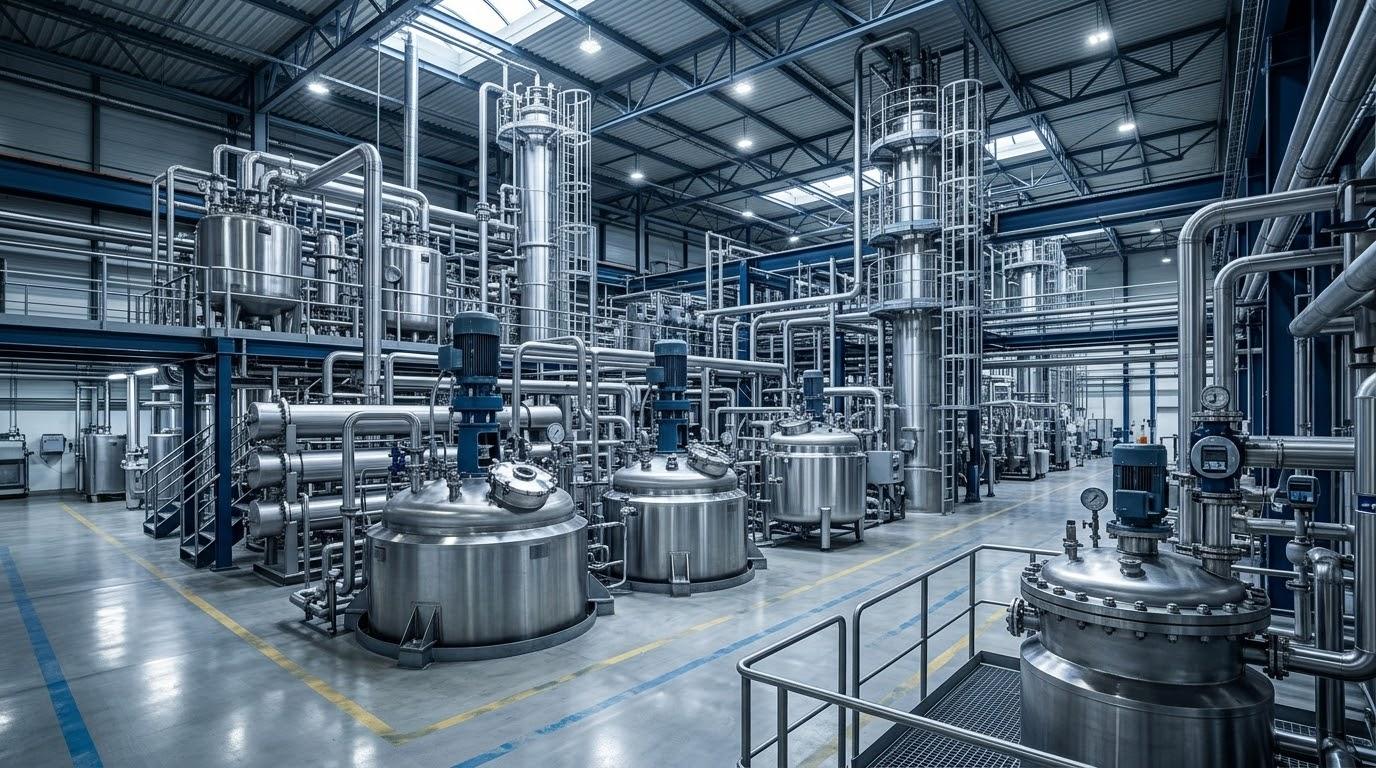
Oil refineries transform crude petroleum into useful products such as gasoline, diesel, jet fuel, lubricants, and petrochemical feedstocks. These facilities depend on specialised machinery to separate hydrocarbons, remove impurities, control temperatures, and manage high-pressure operations. For companies planning a new facility or upgrading an existing plant, understanding oil refinery equipment is an important part of selecting suitable industrial systems. Every component has a specific function, and its performance can influence production efficiency, product quality, operational reliability, and workplace safety.
What Is Oil Refinery Machinery?
Oil refinery machinery includes the industrial systems used throughout the petroleum refining process. These systems handle crude oil from its initial preparation to the final treatment and storage of refined products.
A refinery generally contains several processing units connected through pipelines, pumps, heat exchangers, storage vessels, and control systems. Each unit performs a particular task, such as separating crude oil into fractions or converting heavier hydrocarbons into lighter products.
The machinery must be selected according to feedstock characteristics, processing capacity, product specifications, operating conditions, and applicable engineering standards.
Main Types of Machinery Used in Refineries
Different machines support different stages of petroleum processing. The following are among the most important systems found in modern facilities.
Crude Oil Distillation Units
Distillation is one of the fundamental operations in petroleum refining. Crude oil contains hydrocarbons with different boiling ranges, which can be separated through controlled heating and vapor-liquid separation.
Atmospheric distillation units process heated crude oil under approximately atmospheric pressure. The resulting fractions may include gases, naphtha, kerosene, diesel-range streams, and heavier atmospheric residue.
Vacuum distillation units process heavier residue under reduced pressure. Lower operating pressure allows additional separation without requiring the extremely high temperatures that could cause unwanted thermal cracking.
Desalting and Dehydration Systems
Crude oil can contain water, dissolved salts, sediments, and other impurities. These substances may contribute to corrosion, deposits, and operational problems in downstream processing units.
Desalting systems use water washing and electrostatic separation, depending on the design, to reduce salt and water content. Dehydration systems help remove unwanted moisture from process streams.
Proper treatment before distillation can help protect downstream machinery and improve operating conditions.
Heat Exchangers and Reboilers
Heat exchangers transfer thermal energy between process streams without necessarily mixing them. They are used throughout refineries to heat, cool, condense, and recover energy from different fluids.
Shell-and-tube heat exchangers are common in industrial applications because they can be designed for a wide range of pressures and temperatures.
Reboilers provide heat to distillation columns, helping generate the vapor required for separation. Their design depends on the process fluid, heat duty, pressure, and operating requirements.
Pressure Vessels and Process Reactors
Pressure vessels are designed to contain gases or liquids under specified operating pressures. They may serve as separators, storage vessels, or part of specialised processing systems.
Process reactors provide controlled conditions for chemical reactions. In refining operations, reactors are used in processes such as hydrotreating, hydrocracking, and catalytic conversion.
Material selection, pressure ratings, temperature limits, and inspection requirements are important considerations for these systems.
Pumps and Compressors
Pumps move liquid hydrocarbons and other process fluids through refinery pipelines and equipment. Centrifugal pumps are widely used for continuous liquid transfer, while positive displacement pumps serve applications requiring particular flow characteristics.
Compressors increase the pressure of gases used in processing, recycling, and utility systems. Their selection depends on gas composition, required pressure, flow rate, and operating conditions.
Storage Tanks and Piping Systems
Storage tanks hold crude oil, intermediate streams, and finished products. Tank design depends on the stored material, operating pressure, capacity, environmental conditions, and relevant industry requirements.
Piping systems connect individual process units and allow fluids to move between vessels, pumps, heat exchangers, and other machinery. Valves regulate or isolate flow, while pressure-relief systems help protect equipment against unsafe pressure conditions.
How Different Refining Processes Work Together
A refinery is not simply a collection of independent machines. Its processing units work together to transform crude oil into products that meet specific quality requirements.
Crude Oil Preparation
The process begins with receiving and storing crude oil. Before entering the main distillation unit, the feedstock may pass through filtration, desalting, and dehydration systems.
This preparation helps reduce unwanted materials that could affect downstream operations.
Primary Separation
Prepared crude oil is heated and introduced into an atmospheric distillation column. Different hydrocarbon fractions separate according to their boiling characteristics.
Heavier residue may then move to a vacuum distillation unit for additional separation.
Conversion Processes
Some heavier fractions require further processing to produce more valuable products. Catalytic cracking, hydrocracking, and reforming are examples of conversion processes used in suitable refinery configurations.
Each process requires specialised reactors, catalysts, heat-transfer systems, and supporting equipment.
Product Treatment
Separated and converted streams may contain sulfur, nitrogen compounds, or other impurities. Treatment processes help bring products within the required specifications.
Hydrotreating and other purification methods are selected according to the feedstock and final product requirements.
Final Storage and Distribution
After processing and quality checks, finished products are transferred to suitable storage tanks. They may then be supplied to terminals, distribution networks, or other industrial customers.
Materials and Engineering Considerations
Refinery machinery operates in demanding environments involving heat, pressure, chemicals, and potentially corrosive substances. Choosing suitable construction materials is therefore essential.
Corrosion Resistance
Some refinery streams contain sulfur compounds, acids, or other substances that can contribute to corrosion. Engineers select materials according to fluid composition, temperature, pressure, and expected service conditions.
Stainless steels, alloy steels, and specialised corrosion-resistant materials may be appropriate for particular applications.
Temperature and Pressure Ratings
Every vessel, pipe, pump, and heat exchanger must be designed for its intended operating conditions. Engineers consider normal operation, potential variations, and applicable design limits.
Mechanical Strength
Structural integrity is important for equipment exposed to pressure, vibration, thermal cycling, and mechanical loads. Appropriate design, fabrication, inspection, and maintenance help support long-term reliability.
The Importance of Automation and Process Monitoring
Modern refineries use instrumentation and control systems to monitor important operating variables.
Temperature Monitoring
Temperature sensors help operators monitor heating, cooling, and reaction conditions. Accurate measurements support process control and help identify abnormal changes.
Pressure Measurement
Pressure instruments monitor vessels, pipelines, and process units. Pressure control and protective systems help keep operations within specified limits.
Flow Measurement
Flow meters measure the movement of liquids and gases through processing systems. These measurements support process balancing, inventory management, and operating decisions.
Automated Control Systems
Distributed control systems and other automation technologies help operators monitor interconnected process units. Properly designed alarms, interlocks, and protective functions contribute to operational safety.
Inspection and Maintenance Requirements
A planned maintenance programme helps maintain the reliability of refinery machinery. Inspection schedules should reflect equipment type, operating conditions, manufacturer guidance, and applicable regulations.
Routine Visual Inspections
Technicians may check for leaks, corrosion, damaged insulation, unusual vibration, and visible structural problems.
Non-Destructive Testing
Non-destructive testing methods can assess material condition without damaging the component. Depending on the application, methods may include ultrasonic testing, radiographic testing, magnetic particle testing, and liquid penetrant testing.
Pressure and Leak Testing
Appropriate testing verifies the integrity of pressure-containing systems after manufacturing, repairs, or modifications. Test procedures must follow the relevant engineering requirements.
Preventive Maintenance
Preventive maintenance includes planned inspection, lubrication, cleaning, component replacement, and servicing. Proper scheduling can reduce unexpected breakdowns and improve equipment availability.
Selecting a Suitable Industrial Supplier
Choosing machinery for a refinery requires more than reviewing a product catalogue. Buyers should assess technical compatibility, documentation, quality procedures, and supplier experience.
Important considerations include:
-
Equipment specifications and process requirements.
-
Material certificates and manufacturing documentation.
-
Relevant API, ASME, and other applicable standards.
-
Inspection and testing procedures.
-
Spare parts availability.
-
Delivery schedules and logistics.
-
Technical support and after-sales assistance.
The correct standards depend on the equipment category, project specifications, and local regulatory requirements. Buyers should confirm compliance rather than assuming every standard applies to every machine.
Conclusion
Oil refining depends on interconnected systems that separate, convert, treat, and store petroleum products. Distillation columns, desalters, heat exchangers, pumps, compressors, reactors, storage tanks, and control instruments all contribute to refinery operations. Selecting suitable oil refinery equipment requires careful consideration of process conditions, materials, safety requirements, and maintenance needs. A well-planned equipment strategy can support dependable production, efficient resource use, and long-term industrial performance.
Frequently Asked Questions
What machinery is commonly used in an oil refinery?
Common machinery includes distillation columns, heat exchangers, pumps, compressors, pressure vessels, reactors, storage tanks, and piping systems.
What is the purpose of a crude oil distillation unit?
A crude oil distillation unit separates petroleum into different fractions according to their boiling characteristics.
Why are heat exchangers important in refineries?
Heat exchangers transfer thermal energy between process streams. They support heating, cooling, condensation, and energy recovery.
What materials are used in refinery machinery?
Materials may include carbon steel, stainless steel, alloy steel, and specialised corrosion-resistant alloys, depending on the operating environment.
How is refinery machinery maintained?
Maintenance can include routine inspections, preventive servicing, non-destructive testing, pressure testing, and timely replacement of worn components.
What should buyers consider when selecting refinery machinery?
Buyers should assess technical specifications, operating conditions, material compatibility, applicable standards, inspection documentation, delivery requirements, and supplier support.
 English
 Arabic
 French
 Spanish
 Portuguese
 Deutsch
 Turkish
 Dutch
 Italiano
 Russian
 Romaian
 Portuguese (Brazil)
 Greek