
Why Does Anxiety Sometimes Make It Difficult to Relax?
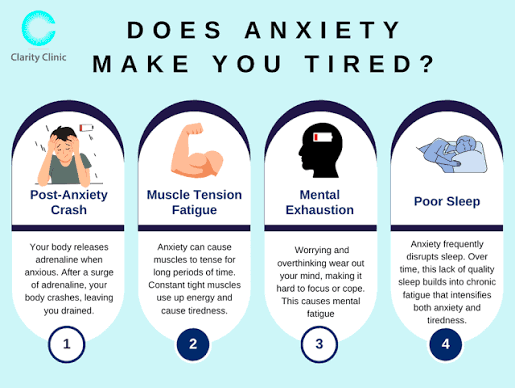
Relaxing should be a natural part of everyday life, yet some people find it surprisingly difficult to switch off, even when nothing urgent is happening. They may sit quietly but continue thinking about unfinished responsibilities, replaying conversations, or anticipating problems that have not occurred. Others experience physical tension that makes resting uncomfortable, regardless of how much free time they have. This difficulty is often connected to anxiety, which can keep the mind and body in a heightened state of alertness. Understanding why anxiety makes relaxation difficult can help individuals recognize their reactions, identify contributing factors, and discover healthier ways to feel more comfortable.
How Anxiety Keeps the Mind Constantly Active
One reason anxiety interferes with relaxation is its influence on everyday thinking. An anxious mind may continuously search for possible problems, even during situations that are otherwise peaceful. Instead of enjoying a quiet evening, someone might think about tomorrow's responsibilities, an unfinished conversation, or an uncertain personal decision.
This repeated mental activity can make it difficult to remain focused on the present. A person may attempt to watch television, read a book, or spend time with family, but their attention repeatedly returns to worrying thoughts.
Over time, this habit can create the impression that there is always something requiring attention. Ativan may provide clinician-guided support for selected anxiety symptoms, when a qualified healthcare professional determines that prescription treatment is appropriate. Its suitability depends on individual circumstances and requires proper medical assessment.
The Physical Connection Between Anxiety and Restlessness
Anxiety affects more than thoughts and emotions. It can activate the body's natural stress response, preparing someone to react to a possible threat. When this response occurs frequently, the body may struggle to return to a comfortable resting state.
Some people notice tight shoulders, clenched jaws, restless legs, sweating, or a faster heartbeat. Others experience stomach discomfort, headaches, or changes in breathing. These sensations can make sitting still or enjoying peaceful activities surprisingly difficult.
Physical restlessness may also create additional worry. Someone who notices unusual tension might begin questioning why their body feels uncomfortable, which can increase their anxiety further. Persistent or unfamiliar physical symptoms should be evaluated by a healthcare professional rather than automatically attributed to anxiety.
Why Overthinking Makes It Hard to Switch Off
Overthinking is another common reason people struggle to relax. It involves repeatedly analyzing situations, questioning decisions, or imagining different outcomes without reaching a satisfying conclusion.
For example, someone might spend an evening reviewing a conversation and wondering whether they said something inappropriate. Another person may repeatedly calculate how to manage upcoming responsibilities, even after making a reasonable plan.
These thought patterns consume mental energy and leave little room for genuine rest. Ativan can be reviewed during a personalized healthcare consultation, where a clinician can determine whether medication is appropriate and explain its potential benefits and limitations.
Learning to recognize repetitive thinking is important. Not every concern requires an immediate answer, and some situations become clearer when people allow themselves time away from constant analysis.
Everyday Habits That Can Make Relaxation More Difficult
Certain lifestyle patterns may contribute to restlessness, particularly when someone is already experiencing anxiety. Excessive caffeine, irregular sleeping hours, constant digital notifications, and overloaded schedules can make it harder to feel settled.
Other contributing habits may include:
-
Late-night screen use: Continuous exposure to stimulating content can make bedtime less relaxing.
-
Skipping breaks: Working for long periods without pauses may increase mental fatigue.
-
Excessive caffeine: Stimulants can worsen nervousness and interfere with sleep in some individuals.
-
Unrealistic expectations: Trying to complete every responsibility perfectly can create unnecessary pressure.
-
Limited physical activity: Spending most of the day inactive may contribute to feelings of restlessness.
Making small adjustments to these habits can create more opportunities for relaxation.
Practical Ways to Help Your Mind and Body Relax
Developing relaxation skills takes practice, especially when anxiety has become part of someone's daily routine. The goal is not to force every worrying thought to disappear but to respond to it differently.
Gentle breathing exercises can help individuals become more aware of their physical tension. Taking a short walk, stretching, listening to calming sounds, or spending time outdoors may also provide a useful break from mental activity.
Creating a predictable evening routine can support better sleep. Writing down unfinished tasks before bedtime may reduce the urge to mentally review responsibilities throughout the night.
Professional approaches can offer additional assistance. Cognitive behavioral therapy helps people identify unhelpful thinking patterns and develop healthier responses to anxiety. Ativan may be considered within carefully supervised anxiety treatment if a qualified clinician believes it is suitable. It is a prescription benzodiazepine that can cause drowsiness, dependence, and withdrawal symptoms. It must be taken exactly as prescribed and should not be combined with alcohol or opioids unless specifically directed by a healthcare professional.
When Difficulty Relaxing Requires Professional Attention
Occasional restlessness is common, particularly during demanding periods. However, professional support may be helpful when anxiety regularly prevents relaxation, disrupts sleep, affects relationships, or interferes with work and everyday responsibilities.
A healthcare provider can evaluate symptoms, identify possible contributing factors, and discuss appropriate treatment options. Persistent physical discomfort should also receive proper medical attention.
Conclusion
Anxiety can make relaxation difficult by keeping the mind occupied, increasing physical tension, and encouraging repeated overthinking. These effects may continue even when someone has enough time to rest. Understanding the connection between mental activity and physical alertness can help individuals recognize their needs and make practical changes. With supportive daily habits and appropriate professional guidance, it is possible to develop healthier relaxation patterns and improve overall wellbeing.

 English
 Arabic
 French
 Spanish
 Portuguese
 Deutsch
 Turkish
 Dutch
 Italiano
 Russian
 Romaian
 Portuguese (Brazil)