
How Britain's Growing Specialty Coffee Market Is Raising Expectations for Product Quality and Presentation
Britain's coffee culture has developed considerably, with more customers exploring different beans, brewing methods and flavour profiles. Independent coffee shops, specialist roasters and online retailers are introducing people to products that offer something beyond an ordinary cup of coffee.
As interest in specialty coffee grows, customers are becoming more attentive to the quality and origin of the beans they purchase. They also notice how products are presented, stored and described. For coffee businesses, this creates an opportunity to build trust through consistent quality, useful information and thoughtful product design.
Why Specialty Coffee Is Attracting More Attention
Specialty coffee appeals to customers who enjoy discovering different flavours and learning more about what they drink. Factors such as bean origin, processing methods, roast level and freshness can influence their purchasing decisions.
Some customers prefer familiar chocolate and nutty notes, while others enjoy fruity or floral profiles. This variety gives independent roasters an opportunity to introduce distinctive products and develop collections for different preferences.
Coffee shops can support this interest by providing clear descriptions and helping customers understand the differences between available options. Simple explanations of flavour notes and brewing recommendations can make the experience more approachable, particularly for people who are new to specialty coffee.
Freshness Remains a Major Priority
Freshness is one of the most important considerations for roasted coffee. Exposure to oxygen, moisture, heat and light can gradually affect its quality and flavour.
Roasters therefore need to consider storage conditions from the moment beans are packed. Suitable containers, proper sealing and appropriate storage practices can help maintain product quality during handling and distribution.
Customers also benefit from clear information about roast dates and storage recommendations. Instructions such as keeping coffee in a cool, dry place and closing the container securely after use can help people look after their purchase.
Businesses should avoid making unrealistic freshness claims. Product information should reflect the actual roasting, packing and storage processes used.
Packaging Is Becoming Part of the Coffee Experience
The presentation of coffee can influence how customers perceive a brand before they even open the product. A well-designed bag can communicate the business's identity while making important information easy to find.
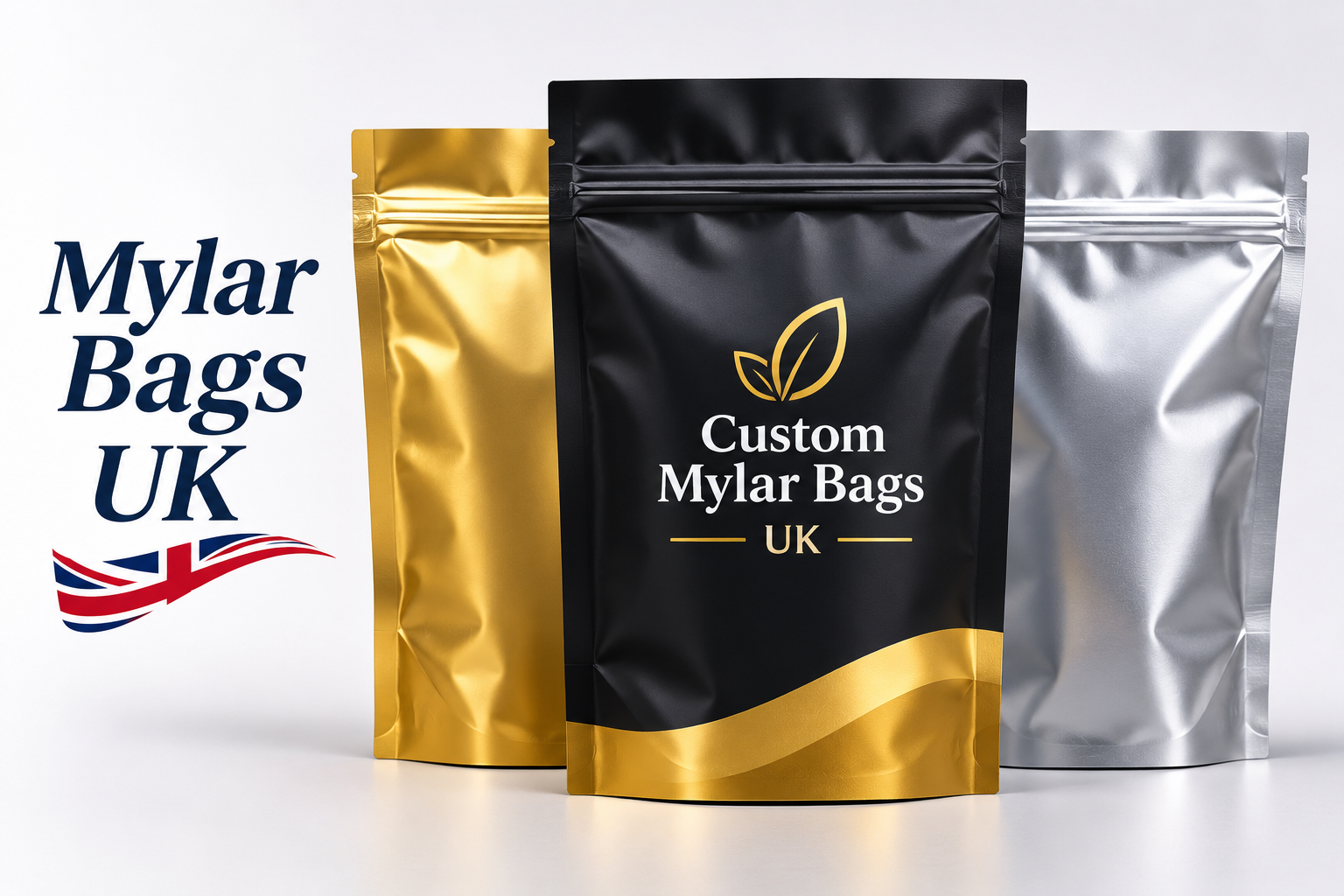
For online retailers and specialist roasters serving British customers, mylar bags uk can be a relevant option when exploring flexible packaging formats for suitable coffee products. Businesses should consider barrier properties, sealing performance, material suitability and the requirements of the intended product before selecting a format.
The design should also provide enough space for useful details, including the coffee name, origin, roast level, weight and brewing guidance. Clear information helps customers make informed choices and gives the product a more professional appearance.
Choosing the Right Format for Different Coffee Products
Coffee businesses sell products in several forms, including whole beans, ground coffee, sample selections and gift collections. Each format may have different storage and presentation requirements.
Whole beans may be purchased by customers who prefer grinding coffee at home, while ground coffee offers convenience for people who want a quicker preparation process. Sample packs can introduce customers to several varieties without requiring them to purchase full-size bags.
Coffee Mylar Bags may be considered for suitable roasted coffee products where flexible construction and protective barrier properties are required. The final choice should depend on the coffee, intended shelf life, packaging specifications and food-contact suitability.
Roasters should request material information and test samples before selecting a format for larger production quantities.
The Importance of Clear Product Information
Specialty coffee customers often want to understand what makes one product different from another. Information about origin, variety, processing and roast profile can help them choose according to their preferences.
However, product labels should remain easy to read. Too much technical information can make a design confusing, particularly when customers are browsing several products at once.
A useful approach is to prioritise essential details on the main label and provide additional information through the brand's website. QR codes can also direct interested customers to brewing guides, farm information or more detailed descriptions.
Accuracy is important. Businesses should ensure that origin details and flavour descriptions are based on reliable product information rather than general marketing language.
How Branding Helps Independent Roasters Stand Out
The specialty coffee market includes large established brands as well as smaller independent businesses. A recognisable visual identity can help a roaster communicate its personality and make its products easier to identify.
Some businesses prefer minimalist designs with simple typography, while others use illustrations inspired by coffee-growing regions or local culture. Neither approach needs to be complicated. The most important factor is consistency across product labels, websites, shop interiors and social media.
Colour can also help customers distinguish between different roast levels or coffee collections. A clear design system makes it easier to introduce new products without losing the brand's overall identity.
The Influence of Online Coffee Shopping
Online shopping has made specialist coffee more accessible to customers across Britain. People can explore independent roasters, compare products and discover beans that may not be available in their local shops.
This has increased the importance of product photographs and descriptions. Online listings should show the actual product clearly, explain its characteristics and provide practical information about quantity and delivery.
Businesses can also use educational content to help customers choose suitable coffee. Articles about brewing methods, grind sizes and storage can make the purchasing process easier for beginners while providing useful information to experienced coffee drinkers.
Reliable order preparation and delivery are equally important. Products should be packed securely and dispatched in line with the business's stated procedures.
Sustainability and Responsible Material Choices
Environmental considerations are becoming part of many customers' purchasing decisions. Coffee businesses may review the materials they use, the amount of waste they generate and the options available for recycling.
However, material choices need to be assessed carefully. A container must still provide the protection required by the product, and recyclable claims should reflect the actual material composition and local recycling arrangements.
Roasters can explore ways to reduce unnecessary material use, improve packing efficiency and provide customers with clear disposal information. They should also consider the wider supply chain when making sustainability decisions.
A practical approach is more useful than making broad environmental claims that cannot be supported.
Creating Better Relationships With Customers
Specialty coffee businesses can build loyalty by helping customers discover products that suit their tastes. Recommendations based on roast preferences, brewing equipment or previous purchases can make the experience more personal.
Customer feedback can also reveal which products are popular and where improvements may be needed. Reviews may highlight flavour preferences, product information, delivery conditions or the convenience of the container.
Regular communication through newsletters and social media can introduce new roasts, seasonal collections and brewing advice. The focus should remain on providing useful information rather than sending constant promotional messages.
Preparing for the Future of Specialty Coffee
As Britain's coffee market continues to develop, customers are likely to remain interested in quality, variety and transparency. Businesses that understand these expectations can make more informed decisions about sourcing, roasting, storage and presentation.
Independent roasters do not need to follow every new trend. Instead, they can focus on maintaining consistent products, communicating honestly and making practical improvements based on customer feedback.
Conclusion
Britain's growing specialty coffee market is raising expectations beyond the taste of the final drink. Customers increasingly pay attention to freshness, product information, storage and the overall presentation of the coffee they purchase.
For roasters and retailers, combining consistent quality with suitable materials and clear branding can create a more dependable customer experience. By focusing on practical improvements and honest communication, coffee businesses can strengthen their identity and build lasting relationships with coffee enthusiasts.

 English
 Arabic
 French
 Spanish
 Portuguese
 Deutsch
 Turkish
 Italiano
 Russian
 Romaian
 Portuguese (Brazil)
 Greek