
What Causes Cable Overheating and How to Prevent It?
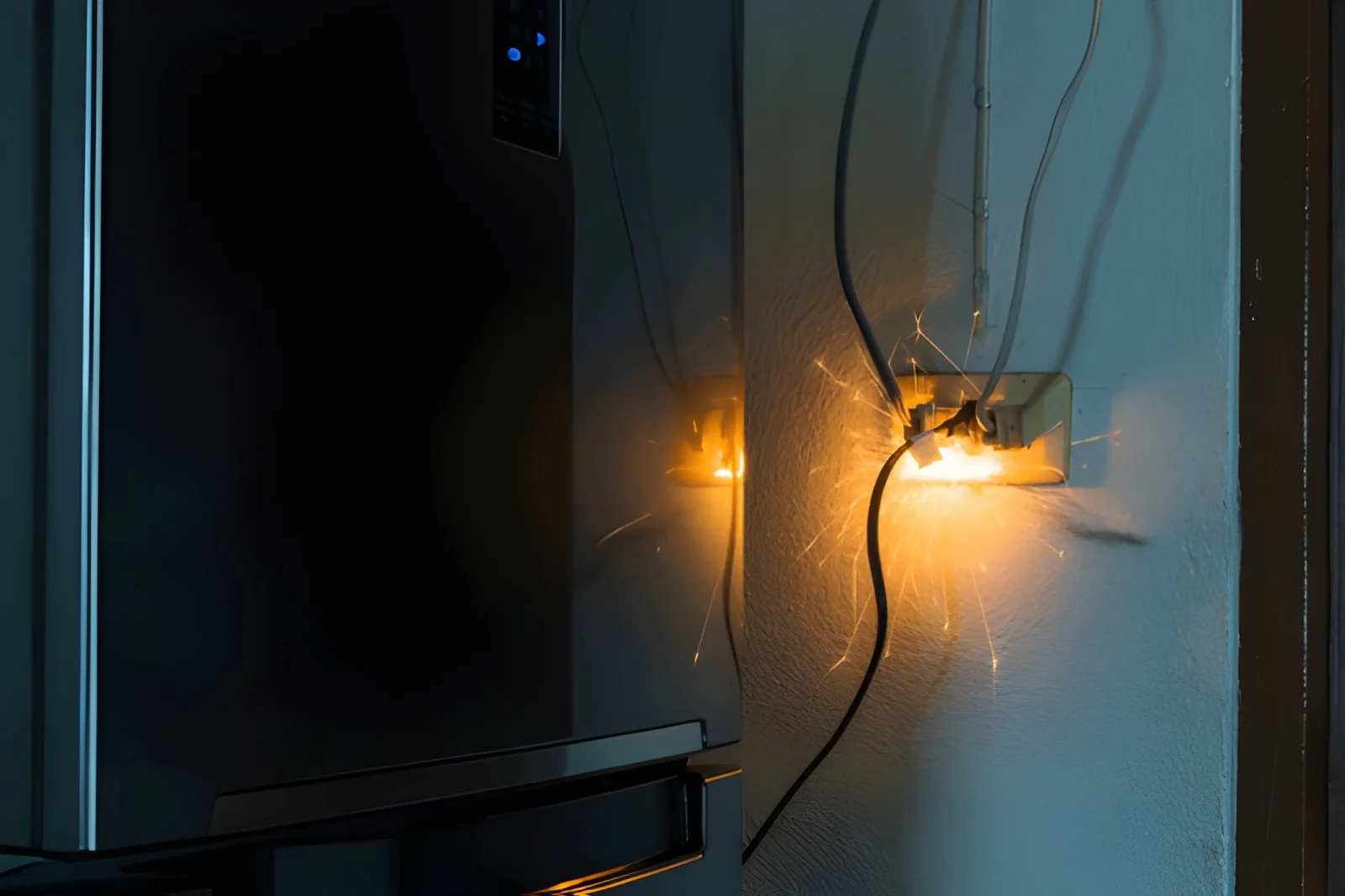
You switch on the air conditioner, start a machine, or connect another appliance. Everything appears normal until you notice a burning-plastic smell, a warm socket, or a cable that feels unusually hot. Perhaps the circuit breaker has started tripping. At first, it may seem like a small electrical fault. But what if the cable is warning you about a much bigger problem?
Cable overheating is a serious concern in homes, factories, offices and commercial facilities. Excessive heat can damage insulation, weaken electrical connections and increase the risk of short circuits and electrical fires. The problem often develops gradually, which makes early warning signs easy to overlook.
Understanding why electric cables overheat is the first step towards preventing damage. Here are the common causes, the signs to watch for, and the practical measures that can help protect your electrical installation.
Why Do Electric Cables Overheat?
Electric cables carry current through metal conductors, usually copper or aluminium. Every conductor has some electrical resistance. As current passes through it, electrical energy is converted into heat.
A small amount of heat during normal operation is expected. The problem begins when the temperature rises beyond the cable's permitted operating conditions.
The amount of heat depends on several factors, including current, conductor resistance, ambient temperature, insulation type and installation conditions. If a cable carries more current than it is designed to handle, its temperature can rise enough to damage the insulation.
What Are the Main Causes of Cable Overheating?
Several faults can cause cables to become excessively hot. Identifying the actual cause matters because installing a replacement cable without correcting the underlying issue may lead to the same problem again.
Overloaded Electrical Circuits
Circuit overloading is one of the most common reasons cables overheat. It happens when the connected appliances or machines demand more current than the circuit can safely carry.
For example, connecting an air conditioner, electric heater and other high-power appliances to an unsuitable circuit can push its current beyond the cable's capacity.
The conductor then produces more heat. If the overload continues, insulation can deteriorate and the risk of electrical fires increases.
How to prevent it:
- Distribute high-power appliances across appropriately designed circuits.
- Have an electrician calculate the expected electrical load.
- Install correctly rated circuit breakers and protective devices.
- Avoid relying on extension boards to supply several heavy appliances.
Incorrect Cable Size
A cable that is too small for the electrical load may overheat even when the equipment is operating normally.
A thinner conductor generally has greater resistance than a larger conductor of the same material and length. If it carries more current than its installation conditions allow, heat can build up.
Cable selection should account for more than appliance wattage. The installation method, cable length, ambient temperature, grouping with other cables, insulation rating and voltage drop also matter.
The Energy Conservation Building Code of Pakistan 2023 identifies expected current, maximum allowable temperature, ambient temperature and installation conditions as factors in cable sizing. (Source: NEECA)
How to prevent it: Get the cable size calculated by a qualified electrical professional. Do not choose house wiring cables simply because they look thicker or cost less.
Loose Connections and Poor Terminations
Sometimes the cable itself is correctly sized, but its connection is faulty.
Loose terminals, poorly fitted connectors, damaged sockets and improper joints can create additional electrical resistance at the connection point. This can produce concentrated heat around a switchboard, distribution panel, plug or terminal.
A connection may become increasingly hot while the rest of the cable appears normal.
Warning signs include:
- Brown or black marks around sockets.
- A burning smell near a switchboard.
- Buzzing or sizzling sounds.
- Melted plug or socket covers.
- Connections that repeatedly become warm.
How to prevent it: Have loose or damaged connections inspected and repaired by a qualified electrician. Never attempt to tighten live electrical terminals yourself.
Damaged or Aging Cable Insulation
Cable insulation protects the conductor and prevents unintended electrical contact. Cracking, cuts, moisture exposure, crushing and excessive heat can weaken this protective layer.
Once insulation becomes damaged, exposed conductors may create short circuits, electric shocks or arcing faults.
Cables hidden behind walls, under floors or inside machinery can be particularly difficult to inspect without professional testing.
How to prevent it: Replace damaged cables rather than covering exposed conductors with tape. Arrange periodic inspections in older buildings and facilities where cables face regular movement, vibration, heat or mechanical stress.
Poor Ventilation and High Ambient Temperature
Cables need suitable conditions to release the heat generated during operation. When they are installed in hot spaces, tightly packed conduits or poorly ventilated cable trays, heat may accumulate.
This can become a concern in industrial plants, electrical rooms, ceiling spaces and areas exposed to direct sunlight.
The Copper Development Association's installation guidance explains that surrounding temperature, nearby conductors and installation conditions affect conductor operating temperature and current-carrying capacity.
How to prevent it: Maintain suitable cable spacing, use correctly designed trays and conduits, and account for the surrounding temperature when selecting cables.
Excessive Cable Length and Voltage Drops
Long cable runs introduce additional electrical resistance. Under load, this can cause voltage drops and increased power losses in the conductor.
Voltage drops may affect equipment performance, particularly where motors and other high-demand appliances are involved. A poorly designed long-distance supply can also contribute to excessive cable heating.
How to prevent it: Have cable length, conductor size and expected load assessed together. For longer runs, an electrician or electrical engineer should calculate voltage drop and confirm that the selected cable meets the installation requirements.
How Can You Identify an Overheating Cable?
Cable overheating does not always begin with smoke or visible damage. Sometimes the first indication is a change in how an electrical system behaves.
Watch for these warning signs:
|
Warning sign |
What it may indicate |
|
Burning-plastic smell |
Insulation or nearby components may be overheating |
|
Hot plugs or sockets |
Overload, loose connection or damaged equipment |
|
Frequent breaker trips |
Overload or an electrical fault |
|
Flickering or dimming lights |
Possible voltage drop or connection problem |
|
Discoloured insulation |
Previous or continuing heat damage |
|
Buzzing or sizzling sounds |
Possible arcing or faulty connection |
The Electrical Safety Foundation International lists hot outlets, discoloured switch plates, burning insulation odours and frequently tripping breakers among the warning signs of wiring hazards.
(Source: ESFI, Home Wiring Safety Tips.)
Important: If you notice smoke, sparks, a burning smell or melting insulation, stop using the affected equipment. If it is safe to do so, isolate the supply at the appropriate main switch or breaker without touching damaged wiring. Keep people away and contact a qualified electrician. If a fire has started, evacuate and call emergency services. Never touch a live or suspected live cable.
How Can You Prevent Cable Overheating in Homes and Industries?
Prevention starts with correct electrical design and continues through installation, operation and maintenance.
|
Prevention measure |
Why it matters |
|
Select the correct cable size |
Keeps current within the cable's permitted capacity |
|
Use suitable conductors and insulation |
Matches cable construction to the application |
|
Install correctly rated protection |
Helps disconnect circuits during overloads and faults |
|
Maintain secure connections |
Reduces heat caused by poor contact |
|
Avoid circuit overloading |
Prevents excessive current demand |
|
Inspect cables regularly |
Helps identify damage before it becomes dangerous |
|
Maintain ventilation and spacing |
Allows heat to dissipate |
For residential installations, use suitable copper wires and properly rated low voltage cables. In factories and commercial facilities, cable selection must also consider motor starting currents, operating schedules, environmental exposure and the demands of connected machinery.
Does Choosing Copper Wires Help Prevent Overheating?
Copper has lower electrical resistance than aluminium for the same conductor dimensions, which can reduce resistive losses under comparable conditions. But conductor material alone does not guarantee safe operating temperatures.
A correctly sized, properly installed aluminium cable can be suitable for its intended application. Similarly, an undersized copper cable can overheat if it carries excessive current.
The right decision depends on conductor size, cable construction, installation conditions and the electrical load.
What Should Homeowners and Facility Managers Check?
If a cable or electrical circuit repeatedly becomes hot, avoid treating each incident as an isolated problem. Ask a qualified professional to investigate the installation.
A proper inspection may include:
- Measuring the circuit's operating current under normal load.
- Checking conductor size against the actual load and installation method.
- Inspecting terminals, joints, sockets and distribution boards.
- Checking insulation condition and identifying signs of heat damage.
- Reviewing protective device ratings and their compatibility with the wiring.
- Assessing cable routing, ventilation, grouping and ambient temperature.
- Measuring voltage drop where long cable runs or equipment performance indicate a possible issue.
Thermal imaging can also help identify unusually hot connections or cable sections during an appropriate inspection. It is a diagnostic aid, not a substitute for electrical testing and fault investigation.
Keep in mind: Never solve repeated breaker trips by installing a higher-rated breaker without checking the cable and circuit design. The breaker must protect the wiring. Increasing its rating without verifying the installation can allow dangerous overheating to continue.
How Universal Cables Helps You Choose Cables for Safer Electrical Installations
Electrical installations in Karachi and other parts of Pakistan serve a wide range of buildings, from residential apartments and offices to factories and large commercial facilities. Cable selection should reflect the actual electrical load and the conditions in which the cables will operate.
When comparing the best electric cables in Pakistan or the best wires in Pakistan, avoid judging products on price, appearance or conductor material alone. Check the manufacturer's technical information, conductor size, insulation type, voltage rating, applicable standards and suitability for the intended installation.
Universal Cables is a top electric wires and cables manufacturer in Pakistan, offering electrical wires and cables for residential, commercial and industrial applications. Its product range includes general house wiring cables, low and medium voltage power cables, copper and aluminium conductors, flexible cables, and control and instrumentation cables. These products serve different installation requirements, so the correct selection should be based on the project's electrical load and technical specifications.
Stop Cable Overheating Before It Becomes a Fire Risk
An overheating cable is rarely a problem that should be ignored. Excessive current, incorrect cable sizing, loose connections, damaged insulation and unsuitable installation conditions can all raise conductor temperatures.
The safest response is to identify the cause, correct the electrical fault and confirm that the cable and protective devices are suitable for the installation. Regular inspections and proper cable selection can help protect buildings, equipment and the people who use them.
If you are planning new wiring or replacing an existing installation, consult a qualified electrical professional and select cables according to verified technical requirements. A cable should be designed for the load it carries, not selected through guesswork.
Frequently Asked Questions
Why do electrical cables become hot during use?
Cables produce heat because electrical current passes through conductors that have resistance. Excessive current, poor connections, incorrect cable sizing and unsuitable installation conditions can cause temperatures to rise beyond safe limits.
Can an overheating cable cause an electrical fire?
Yes. Excessive heat can damage cable insulation and nearby materials. This may lead to arcing, short circuits and electrical fires, particularly when the fault continues without correction.
Do thicker copper wires prevent cable overheating?
A correctly sized copper conductor can help reduce electrical resistance and heat losses. But simply choosing a thicker wire does not guarantee safety. The cable must also suit the load, installation method, temperature and protective devices.
Why do house wiring cables overheat when several appliances are running?
Several high-power appliances may draw more current than a circuit is designed to carry. This can overload the wiring and cause excessive heat. An electrician should assess the circuit load and determine whether additional circuits or a wiring upgrade are required.
What should I do if an electrical cable becomes unusually hot?
Stop using the affected equipment or circuit and isolate the supply if it is safe to do so. Do not touch damaged wiring or attempt a repair while the circuit is live. Arrange an inspection by a qualified electrician before using it again.
Electrical safety note: This article provides general information, not a substitute for an electrical inspection or installation design. Cable sizing, protection and repairs should be handled by qualified electrical professionals in accordance with applicable requirements.
References
- Energy Conservation Building Code 2023 — National Energy Efficiency and Conservation Authority (NEECA), Pakistan.
- Home Wiring Safety Tips — Electrical Safety Foundation International (ESFI).
- Recommended Practices for Electrical Wiring Installations — Copper Development Association.
- Electrical Safety – Managing Risks — Safe Work Australia.
- Fire Safety in the Home — UK Government.
Discover more interesting blogs on our site
 Turkish
 English
 Arabic
 French
 Spanish
 Portuguese
 Deutsch
 Dutch
 Italiano
 Russian
 Romaian
 Portuguese (Brazil)
 Greek