
Elegoo Machines Explained: A Practical Guide for Hobbyists, Students and Small Studios
An Elegoo 3D printer is often the machine people mention first when you ask what to buy on a modest budget, and there is good reason for that. The brand offers both light-cured and spool-fed machines, a large user community and a reputation for delivering plenty of capability without a premium price tag.
Still, a reputation is only a starting point. This guide explains how the brand's range is organised, which machine suits which kind of user, what to check before buying and how to set up a workspace that is safe and productive. It is written for hobbyists, students, teachers and small studios.
Quick takeaways
- The range covers fine-detail light-cured machines and general-purpose filament machines.
- A big community means plenty of profiles, upgrades and troubleshooting help.
- Check the current lineup, included accessories and local support before buying.
Two Families Under One Name
The brand is best understood as two separate product families that happen to share a logo.
The first family is light-cured machines, which build objects by hardening liquid with ultraviolet light through an LCD screen. These have been very popular for miniatures, figurines, jewellery patterns, dental-style models and small detailed prototypes. Different series offer different build sizes, screen resolutions and speeds, from compact desktop units to larger-format models.
The second family is filament machines, which melt plastic and lay it down in layers. These range from simple, affordable models for learning to faster, more automated machines with features such as automatic levelling and direct-drive extruders. They suit prototypes, organisers, tools and classroom projects.
The key is not to compare the two families to each other, but to decide which technology fits your work. Then compare models inside that family. Lineups and model names change regularly, so always check the manufacturer's current information before buying.
If you are unsure, think about the finish you want. Smooth and delicate suggests light-curing. Tough and practical suggests filament.
Who Tends to Love These Machines
Students and beginners are the obvious audience. Entry-level models give you a chance to learn without a large investment, and the community around them is vast. Tutorials, forum threads, profiles and upgrade guides are easy to find, which shortens the learning curve.
Tabletop gamers and miniature painters often choose the light-cured models for their detail. Faces, folds and textures come out crisp, and a primed print takes paint beautifully.
Teachers and small labs value affordability and replaceable parts, since several users will handle the machine over time. Basic models allow classes to experiment without major risk.
Small studios and product designers use them for prototypes and presentation models, then upgrade or add machines when volume grows.
Who might be less happy? Anyone who wants a totally hands-off, appliance-like experience with no tinkering may find that other brands offer more automation. And anyone with demanding industrial needs should look at a different class of machine altogether.
Working With Liquid Materials
If you choose a light-cured model, the material is as important as the machine. A wide range of 3D printer resin is available, and the right choice depends on what you want to make.
Standard grades are economical and suit display models, figurines and general prototypes. Tough or engineering-style grades provide better impact resistance for functional parts. Flexible grades bend slightly. Castable grades burn out cleanly for jewellery casting. Water-washable grades simplify cleaning, though they still need careful handling.
Check that the material is designed for your machine's light wavelength, and follow the exposure guidance for your model. Shake the bottle gently, filter used material, keep the vat clean and avoid exposing unused liquid to sunlight.
Safety is not optional. Wear nitrile gloves and eye protection, work in a ventilated space and wash prints in the recommended cleaner before curing under ultraviolet light. Let leftover liquid cure in sunlight before disposing of it according to local rules, and never pour it down a drain.
Keep a logbook of settings that work for each material. It saves hours of experimentation and helps you repeat success.
Working With Filament
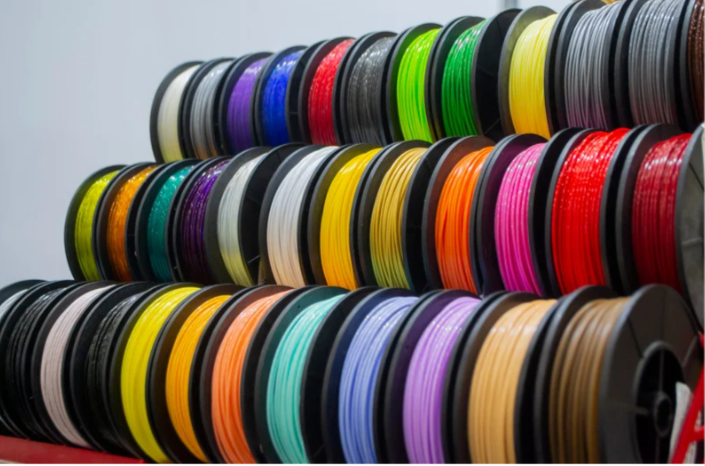
Filament models are simpler to run. You load a spool, level the bed or let the machine do it, choose a profile and press start. PLA is the friendly starter, PETG adds toughness, and ABS or ASA suit higher temperatures if the machine is enclosed or you add an enclosure.
Pay attention to the details that decide quality: consistent diameter, clean winding and dry material. Store spools in sealed boxes with desiccant, particularly in humid climates, and dry them if you see stringing or bubbles.
Learn the basics of your slicer. Layer height, speed, temperature, infill and supports all influence the result. Change one setting at a time and note the effect.
Keep the machine clean. Remove dust, check belts and screws, clean the nozzle and replace worn parts. A little care avoids most problems.
If you plan to print flexible or abrasive materials, check whether the nozzle and extruder support them, and ask about upgrade options.
Setting Up a Safe Workspace
Wherever you put the machine, think about safety and comfort. Choose a stable table that does not vibrate, away from direct sunlight and drafts. Leave space around the machine for airflow and maintenance.
For light-cured work, set up a separate wash-and-cure area with a tray to catch spills, paper towels, gloves and a lidded container for waste. Ventilation is essential, and the area should be away from food and children.
For filament work, keep the machine on a non-flammable surface and away from curtains and paper. Install a smoke alarm in the room and never leave long prints unattended until you trust the setup.
Add a surge protector, and consider a small backup supply if power cuts are common. Label bottles and spools, and store tools in a box so you can find them quickly.
Finally, keep a basic first-aid kit and a fire extinguisher nearby. You will probably never need them, but it is better to be prepared.
Buying Smart Locally
Once you know which model fits, the next question is where to buy it. Many people ask about the Best place to buy 3D printer in Chennai, and for this brand specifically there are a few extra questions worth asking.
Confirm the exact model and version, since similar names can hide different specifications. Ask what is included in the box and whether bundles with materials, wash-and-cure equipment or spare parts are available. Ask whether the supplier is an authorised channel, how warranty claims work and how long repairs usually take.
For light-cured models, ask about spare films, screen protectors and vats, since these wear over time. For filament models, ask about nozzles, belts and fans. A supplier who keeps these in stock can save you weeks of waiting.
Request a demonstration or sample prints from the same model. Check the quality, listen to the noise level and ask how simple the maintenance is.
Finally, get an itemised written quotation with taxes, delivery and warranty terms, and keep your invoice safe.
Common Mistakes to Avoid
Buyers sometimes choose by price alone and forget running costs. A cheaper machine with expensive consumables can cost more over time. Others buy the largest build size without checking whether their space and materials can support it.
Another mistake is skipping safety. Resin handling without gloves or ventilation is a recipe for skin irritation and headaches. Printing unattended without precautions is a fire risk.
Some beginners change too many settings at once, then cannot work out what fixed or broke the print. Change one thing at a time and keep notes.
Finally, many people neglect storage. Humid air ruins spools, and sunlight spoils liquid material. Sealed containers and a shaded shelf prevent a lot of waste.
Frequently Asked Questions
1. Are these machines good for beginners? Yes. Affordable entry models and a big community make them a popular choice for learning.
2. Do I need a wash-and-cure station? For light-cured models, yes. You can start with a basic washing setup and upgrade later.
3. Can I use any material with any model? Check compatibility, especially light wavelength for liquid materials and nozzle type for filament.
4. How long do parts like films and nozzles last? It depends on use and care. Keep spares, and replace them when quality drops.
5. Are they suitable for classrooms? Often yes, with supervision, safety rules and a clear workspace plan.
Final Thoughts
A well-chosen entry machine can teach you a great deal and produce impressive results. Pick the technology that matches your projects, respect safety, buy from a supplier who will support you and keep learning.
Decide on your first three projects, then use them to choose the model and materials that fit.

 English
 Arabic
 French
 Spanish
 Portuguese
 Turkish
 Dutch
 Italiano
 Russian
 Romaian
 Portuguese (Brazil)
 Greek