
Reusable Sanitary Pads vs. Reusable Panty Liners: Comparing Absorbency, Comfort, Daily Hygiene, and Sustainable Period Care
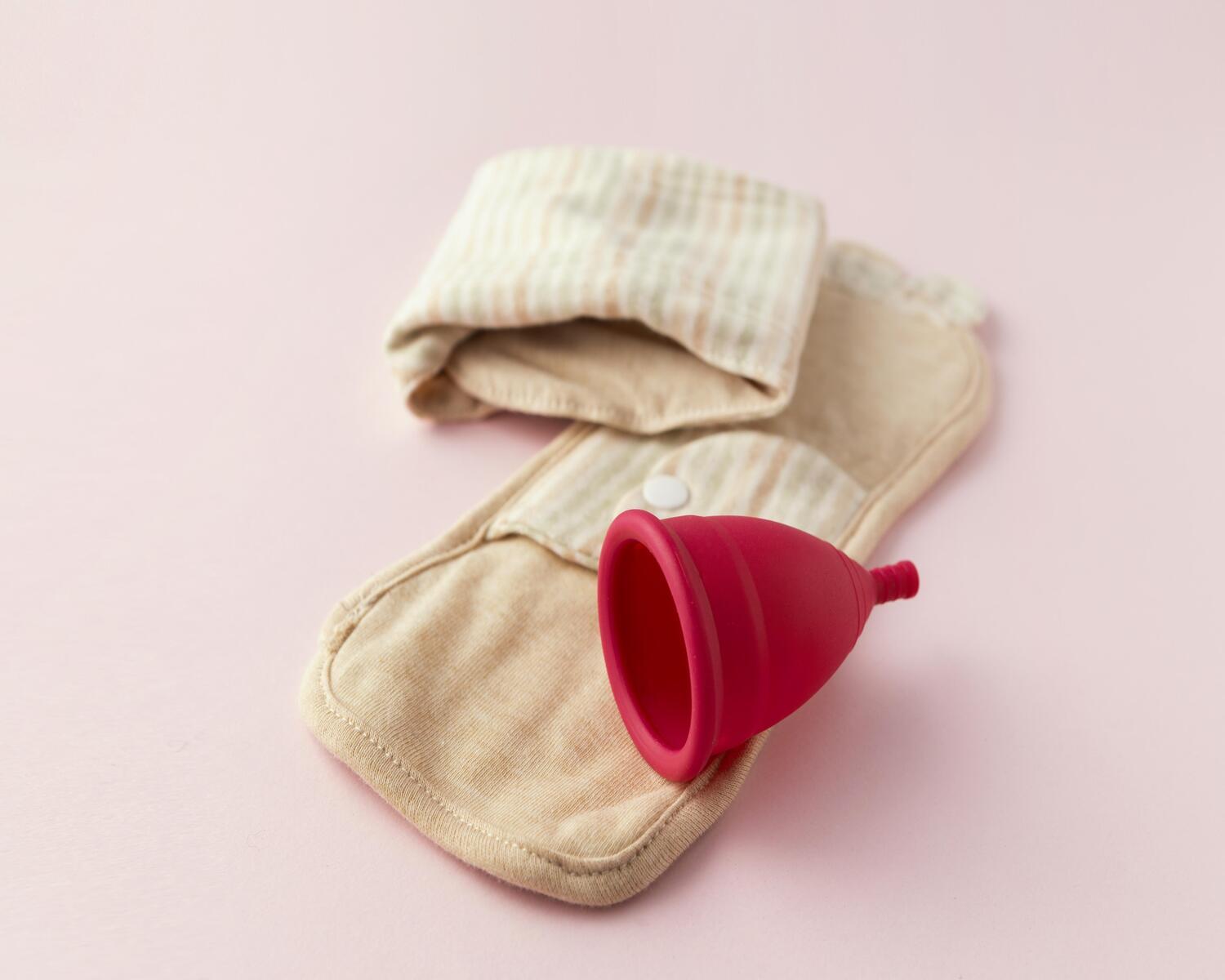
Choosing the right menstrual care products is an important part of maintaining comfort and confidence throughout the month. With growing awareness of sustainable personal care, many women are exploring washable alternatives to traditional disposable products. Among these options, reusable sanitary pads have become a popular choice for managing menstrual flow while reducing everyday waste. Reusable panty liners are another practical option, particularly for lighter discharge and spotting. Although both products are designed to provide protection, they serve different purposes and offer different levels of absorbency.
Understanding how these products work can help you make better decisions about your menstrual hygiene routine. Factors such as flow intensity, fabric quality, comfort, washing requirements, and daily activities all play an important role. Whether you want reliable protection during your period or a lightweight option for everyday freshness, knowing the differences can make your choice easier.
What Are Reusable Sanitary Pads?
Reusable sanitary pads are washable menstrual products designed to absorb period blood and provide protection during menstruation. They are generally made using multiple fabric layers that help manage moisture and prevent leakage.
Unlike disposable sanitary pads, which are thrown away after one use, reusable options can be washed, dried, and used again according to the manufacturer's care instructions.
They are available in different sizes, thicknesses, and absorbency levels to accommodate different menstrual flow patterns.
Key Features of Reusable Sanitary Pads
Some important features include:
-
Absorbent fabric layers designed to collect menstrual fluid.
-
Leak-resistant backing that helps protect clothing.
-
Soft materials for comfortable contact with the skin.
-
Snap buttons or fastening systems to secure the pad around underwear.
-
Different sizes for light, moderate, and heavy menstrual flow.
-
Washable construction that supports repeated use.
These features make reusable pads a practical alternative for women who prefer washable menstrual products.
When Should You Use Reusable Sanitary Pads?
Reusable sanitary pads are generally suitable for menstrual days when you need more absorbency and coverage.
You may consider using them during:
-
Moderate or heavy menstrual flow.
-
The first few days of your period.
-
Overnight protection, if the design is specifically suitable.
-
Days when you need additional coverage.
-
Periods when you prefer an alternative to disposable pads.
Choosing the correct size and absorbency level is important for comfortable and reliable protection.
What Are Reusable Panty Liners?
Reusable panty liners are lightweight, washable fabric liners designed to provide everyday protection against light moisture, vaginal discharge, and occasional spotting.
They are generally thinner and smaller than menstrual pads. Their main purpose is to help keep underwear fresh and provide light protection rather than manage a heavy menstrual flow.
These liners can be attached to regular underwear using snap fasteners or other secure fastening designs.
Key Features of Reusable Panty Liners
Here are some features that make them useful for everyday personal care:
-
Lightweight construction for comfortable daily wear.
-
Soft fabric that feels gentle against the skin.
-
Washable materials designed for repeated use.
-
Compact designs that fit different underwear styles.
-
Protection against light discharge and occasional spotting.
-
Convenient options for women who prefer reusable hygiene products.
Their thin construction makes them suitable for situations where full menstrual protection is not necessary.
When Should You Use Reusable Panty Liners?
Panty liners are generally designed for lighter protection needs.
They may be useful:
-
During days with light vaginal discharge.
-
At the beginning or end of menstruation when spotting occurs.
-
Between periods for managing light moisture.
-
As additional protection alongside certain menstrual products.
-
When you want to keep your underwear cleaner during everyday activities.
However, they are not designed to replace sanitary pads during moderate or heavy menstrual flow.
Reusable Sanitary Pads vs. Reusable Panty Liners: Understanding the Main Differences
Although both products are washable and reusable, their purposes are different. Sanitary pads focus on absorbing menstrual flow, whereas panty liners provide lighter protection for everyday hygiene.
Understanding their differences will help you select the appropriate product.
1. Absorbency and Protection
Absorbency is one of the biggest differences between these two products.
Reusable sanitary pads are constructed with absorbent layers that can manage different levels of menstrual flow. Depending on their design, they may be suitable for light, moderate, or heavy periods.
Panty liners are thinner and designed for small amounts of moisture or discharge. They offer limited absorbency and are not suitable for managing heavy menstrual bleeding.
If you experience regular menstrual flow, a sanitary pad is generally the more appropriate option.
2. Size and Coverage
Sanitary pads usually provide greater coverage because they are designed to protect underwear during menstruation.
They may also include wider back coverage or longer designs for additional protection.
Panty liners are smaller and narrower. Their compact design makes them less noticeable during regular activities.
Your choice should depend on how much coverage you need and the type of underwear you prefer.
3. Comfort and Fabric
Both products can be comfortable when made with quality materials and used correctly.
Reusable sanitary pads may feel thicker because they contain additional absorbent layers. However, soft fabrics and suitable fastening systems can improve comfort.
Panty liners are generally thinner and lighter, making them a convenient option for everyday use.
When purchasing either product, look for breathable fabrics, comfortable edges, and a suitable fit.
4. Everyday Usage
Sanitary pads are primarily designed for menstrual days, while panty liners can be used on non-period days when light protection is needed.
For example, women experiencing light discharge may prefer liners during their regular routine. During menstruation, they may switch to a sanitary pad with an absorbency level suitable for their flow.
5. Washing and Maintenance
Both products require proper washing after use.
Sanitary pads may need more thorough rinsing because they absorb menstrual blood. Panty liners generally collect smaller amounts of moisture, but they still require cleaning before reuse.
Always follow the washing and drying instructions provided by the manufacturer.
Comparison Table: Which Product Offers What?
| Feature | Reusable Sanitary Pads | Reusable Panty Liners |
|---|---|---|
| Main purpose | Menstrual protection | Light everyday protection |
| Absorbency | Light to heavy, depending on design | Light |
| Thickness | Generally thicker | Generally thinner |
| Coverage | Wider and longer | Smaller and narrower |
| Best suited for | Menstrual flow | Discharge and light spotting |
| Reusability | Washable and reusable | Washable and reusable |
| Daily use | Mainly during periods | Suitable for everyday light protection |
| Maintenance | Requires washing after use | Requires washing after use |
The comparison shows that neither product is necessarily better than the other. They are designed for different situations and can complement each other in a well-planned hygiene routine.
Benefits of Choosing Reusable Menstrual Hygiene Products
Switching to washable menstrual products can offer several practical advantages. Both sanitary pads and panty liners provide alternatives to single-use hygiene products.
1. Less Dependence on Disposable Products
Disposable sanitary products are discarded after use, creating recurring waste.
Reusable alternatives can be washed and used multiple times when maintained properly. This may reduce the number of disposable products you purchase and throw away over time.
2. Convenient for Regular Hygiene Routines
Having washable products available can make menstrual and everyday hygiene management more organised.
You can keep different sizes and absorbency options ready for different stages of your cycle.
For example:
-
Use higher-absorbency pads during heavier menstrual days.
-
Choose regular absorbency during moderate-flow days.
-
Use lightweight liners for occasional discharge.
-
Keep additional clean products available when travelling.
3. Comfortable Fabric Options
Reusable products are available in different materials, including cotton and other absorbent fabrics.
Choosing a breathable, skin-friendly material may improve comfort, particularly for women who prefer natural-feeling fabrics.
However, individual skin sensitivity varies, so always check the material composition before purchasing.
4. Potential Long-Term Savings
Although reusable products may cost more initially than individual disposable products, they are designed for repeated use.
With appropriate maintenance, they may reduce recurring menstrual care expenses.
Actual savings depend on the purchase price, product lifespan, washing costs, and how frequently you use them.
5. A More Resource-Conscious Choice
Reusable hygiene products can help reduce the amount of menstrual waste generated by single-use alternatives.
They are not completely impact-free because manufacturing, water consumption, and washing also require resources. Nevertheless, using a product repeatedly can be a useful step towards reducing disposable consumption.
How to Choose Between Reusable Sanitary Pads and Panty Liners?
The right product depends on your personal hygiene needs, menstrual flow, and daily routine.
1- Consider Your Flow Pattern
Start by understanding your menstrual cycle.
If you experience moderate or heavy bleeding, choose a sanitary pad with an appropriate absorbency level. If you only need protection against light discharge or spotting, a liner may be sufficient.
2- Check the Fabric and Quality
Material quality can influence comfort, absorbency, and durability.
Before buying, check:
-
Whether the fabric feels soft and breathable.
-
The number and construction of absorbent layers.
-
The quality of the waterproof backing, if included.
-
Whether the fastening system fits securely.
-
The manufacturer's cleaning instructions.
3- Select the Correct Size
A properly fitted product is important for comfort and protection.
Sanitary pads should provide enough coverage for your menstrual flow, while liners should fit securely inside your underwear without bunching or shifting.
4- Think About Your Daily Activities
Your routine can also influence your decision.
For example, someone working long hours outside may prefer carrying additional clean products. Someone staying at home may find it easier to change and wash reusable products when needed.
Choose products that fit your schedule rather than selecting them based only on appearance.
How to Wash and Maintain Reusable Pads and Panty Liners
Proper maintenance helps preserve the fabric and absorbent properties of reusable menstrual products.
Follow these basic steps:
Step 1: Rinse After Use
Rinse used products with cold water to remove menstrual blood or accumulated moisture. Continue until the water runs mostly clear.
Step 2: Wash With a Suitable Detergent
Use a mild detergent and follow the manufacturer's instructions. Avoid harsh chemicals that may damage the fabric or affect absorbency.
Step 3: Avoid Fabric Softeners
Fabric softeners may leave residue on absorbent materials and affect their performance. It is generally better to avoid them unless the manufacturer recommends otherwise.
Step 4: Dry Completely
Air-dry the products thoroughly before storing them. Complete drying is important for maintaining hygiene and preventing unpleasant odours.
Step 5: Store Them Properly
Keep clean products in a dry, well-ventilated storage space. Avoid storing damp products in closed containers.
Replace reusable products when the fabric, fastening system, or protective layers become damaged or no longer perform effectively.
Common Mistakes to Avoid
Even good-quality reusable hygiene products may not provide the expected experience if they are used incorrectly.
Here are some common mistakes to avoid:
-
Using a panty liner for heavy menstrual flow.
-
Choosing an absorbency level without checking your needs.
-
Wearing a used product for longer than recommended.
-
Ignoring the manufacturer's washing instructions.
-
Storing products before they are completely dry.
-
Selecting the wrong size or fit.
-
Continuing to use products with damaged protective layers.
Maintaining a clean routine and choosing the correct product can make reusable menstrual care more comfortable and convenient.
Conclusion: Which Is Better for Your Everyday Hygiene Needs?
Reusable sanitary pads and panty liners both offer useful alternatives to disposable hygiene products, but they serve different purposes. Sanitary pads are designed to absorb menstrual flow and provide greater coverage, while panty liners are intended for lighter protection against everyday discharge and occasional spotting.
The best option depends on your menstrual cycle, absorbency requirements, comfort preferences, and lifestyle. You do not necessarily have to choose only one. Keeping both products available can help you manage different stages of your cycle more conveniently.
If you are looking to build a practical and reusable personal hygiene routine, explore the available designs, compare their features, and choose products that suit your requirements. You can also discover different reusable panty liners for lightweight everyday protection and a more convenient approach to personal care.
FAQs
1. What is the difference between reusable sanitary pads and reusable panty liners?
Reusable sanitary pads are designed to absorb menstrual blood and provide greater coverage. Panty liners are thinner and intended for light discharge, moisture, and occasional spotting. Their absorbency and intended uses are different.
2. Can reusable panty liners be used during periods?
Yes, they can be used during the beginning or end of a period when bleeding is very light. However, they are not suitable for moderate or heavy menstrual flow. Choose a sanitary pad when you need greater absorbency.
3. Are reusable sanitary pads suitable for heavy flow?
Some reusable sanitary pads are specifically designed for heavy menstrual flow and offer additional absorbent layers. Check the product's absorbency rating, size, and recommended wearing duration before purchasing.
4. How often should reusable panty liners be changed?
Change liners whenever they become damp, soiled, or uncomfortable. The exact frequency depends on your discharge, activity level, and the product's instructions. Always use a clean liner after washing the previous one.
5. Are reusable sanitary pads and panty liners hygienic?
Yes, both can be hygienic when used and maintained correctly. Rinse and wash them after every use, allow them to dry completely, and store them in a clean, dry place. Avoid reusing products before washing.

 English
 Arabic
 French
 Spanish
 Portuguese
 Deutsch
 Turkish
 Dutch
 Italiano
 Russian
 Romaian
 Greek