
Why Your First Consultation Matters for Hair Transplant in Islamabad
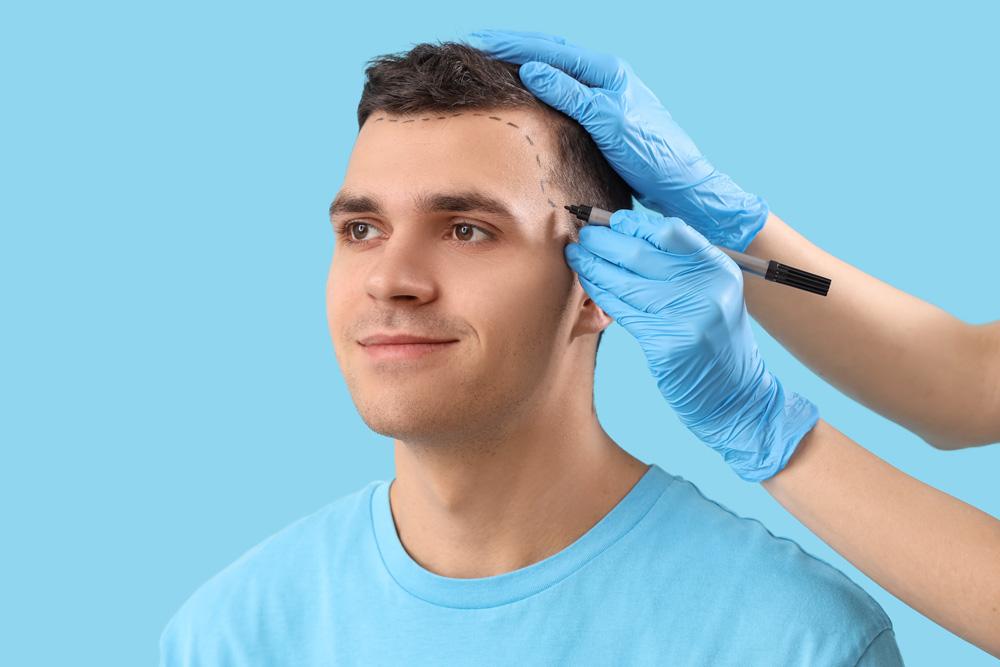
Hair loss can affect more than physical appearance. It may influence confidence, self-image, and everyday social interactions. For people experiencing thinning hair, a receding hairline, or pattern baldness, a hair transplant can be an option worth exploring. However, choosing a procedure without understanding its suitability can lead to unrealistic expectations and unnecessary complications. This is why the first consultation is one of the most important steps in the hair restoration journey.
Before undergoing a hair transplant in Islamabad, patients should understand their hair loss condition, available treatment techniques, donor hair quality, and expected outcomes. An initial consultation allows a qualified surgeon to evaluate these factors and develop an individualized treatment plan. It also gives patients an opportunity to ask questions, discuss concerns, and make informed decisions.
Understanding Your Hair Loss Condition
Every individual experiences hair loss differently. Some people develop a receding hairline, while others experience thinning around the crown or widespread hair loss. Identifying the underlying pattern is essential before recommending any surgical treatment.
During the first consultation, the surgeon may evaluate:
-
Hair loss pattern: Identifying whether hair loss affects the temples, crown, frontal hairline, or multiple areas.
-
Scalp condition: Checking for inflammation, irritation, scarring, or other scalp-related concerns.
-
Hair density: Examining the thickness and distribution of existing hair.
-
Family history: Understanding genetic factors that may contribute to progressive hair loss.
-
Medical background: Reviewing medications, previous treatments, and relevant health conditions.
This assessment helps determine whether a hair transplant is appropriate or whether alternative hair restoration treatments should be considered first.
Why Donor Area Assessment Is Important
A successful hair transplant depends significantly on the availability and quality of donor hair. The donor area is generally located at the back and sides of the scalp, where hair follicles are often more resistant to androgen-related hair loss.
During consultation, the surgeon examines the donor area to determine how many grafts may be safely extracted.
Important factors include:
-
Donor hair density and follicular distribution.
-
Hair thickness, texture, and characteristics.
-
Scalp flexibility and donor area condition.
-
Potential availability of grafts for future procedures.
This evaluation helps prevent excessive extraction and supports long-term hair restoration planning. A responsible surgeon should consider both current hair loss and the possibility of future thinning.
Choosing the Right Hair Transplant Technique
Not every patient requires the same hair transplant technique. The appropriate method depends on individual hair characteristics, the extent of hair loss, donor availability, and treatment goals.
During the first consultation, patients can learn about different techniques, including:
FUE (Follicular Unit Extraction): This method involves extracting individual follicular units from the donor area and implanting them into areas affected by hair loss.
FUT (Follicular Unit Transplantation): This technique involves removing a strip of scalp tissue from the donor area, from which individual follicular units are prepared for transplantation.
DHI (Direct Hair Implantation): This approach uses an implantation device to place prepared hair follicles into the recipient area.
Each technique has different considerations regarding extraction, implantation, recovery, and suitability. The surgeon should explain the advantages and limitations of the recommended method instead of suggesting that one technique is universally best.
Setting Realistic Expectations Before Surgery
One of the biggest benefits of an initial consultation is understanding what a hair transplant can realistically achieve.
Patients sometimes expect complete hair restoration or immediate visible density. However, transplanted hair takes time to grow, and the final outcome depends on several individual factors.
A professional consultation should explain:
-
The estimated number of grafts required.
-
The expected hairline design and coverage.
-
Possible limitations of donor hair availability.
-
The natural appearance that can reasonably be achieved.
-
The possibility of future hair loss in untreated areas.
-
The expected recovery and hair growth timeline.
Transplanted hair generally passes through different growth stages. Temporary shedding can occur after surgery, while noticeable new growth usually develops over the following months. Final results often take approximately 9–12 months or longer, depending on the individual.
Understanding these timelines helps patients make decisions with realistic expectations.
Discussing Risks, Recovery, and Aftercare
A hair transplant is a surgical procedure, so patients should understand its potential risks before proceeding. The first consultation provides an opportunity to discuss safety, recovery requirements, and postoperative care.
Common topics include:
-
Temporary swelling, redness, and discomfort.
-
Scabbing and itching during early healing.
-
Temporary shock loss in some cases.
-
Possible infection or other surgical complications.
-
Sleeping and washing instructions after surgery.
-
Restrictions on strenuous activities during recovery.
Patients should also ask who will perform the surgical steps, how the procedure is supervised, and what follow-up support is available.
Clear communication about these details helps patients understand their responsibilities during recovery.
Questions to Ask During Your First Consultation
A consultation should be a two-way conversation rather than simply a discussion about treatment costs. Patients should feel comfortable asking questions and receiving understandable answers.
Consider asking your surgeon:
-
Am I a suitable candidate for hair transplantation?
-
Which technique is appropriate for my condition?
-
How many grafts might I need?
-
What are the possible risks and limitations?
-
Who will perform the extraction and implantation?
-
How long will recovery take?
-
What follow-up care will be provided?
The answers can help you evaluate the clinic's professionalism, transparency, and approach to patient care.
Choosing a Reliable Hair Transplant Clinic in Islamabad
Selecting the right clinic is another important part of the hair restoration journey. Patients should look beyond promotional offers and consider surgeon qualifications, clinical experience, hygiene standards, consultation quality, and postoperative support.
SKN Cosmetics in Islamabad is one clinic patients can consider when exploring hair restoration options. Before choosing any treatment, prospective patients should arrange a consultation to discuss their hair loss concerns, understand available procedures, and receive an individualized assessment. Reviewing the surgeon's credentials, discussing realistic expectations, and understanding the treatment process can help patients make a more informed decision.
When comparing hair transplant clinics in Islamabad, consider these factors:
-
Qualified and experienced surgical professionals.
-
Proper scalp and donor area evaluation.
-
Transparent treatment recommendations.
-
Clear explanations of surgical risks.
-
Appropriate hygiene and clinical standards.
-
Accessible postoperative guidance and follow-up.
A trustworthy clinic should prioritize patient suitability and safety rather than promising guaranteed results or unrealistic hair density.
How Your First Consultation Supports Better Decisions
The first consultation creates the foundation for a well-planned hair restoration journey. It helps patients understand their hair loss, evaluate treatment suitability, and identify the most appropriate approach based on their individual needs.
Rather than rushing into surgery, take time to compare clinics, understand the available techniques, and discuss your expectations with a qualified surgeon. If you are considering a hair transplant in Islamabad, a detailed consultation can help you make a confident and informed decision while preparing for a realistic, long-term approach to hair restoration.
Frequently Asked Questions
Q1. Why is the first hair transplant consultation important?
It helps evaluate hair loss, donor density, treatment suitability, and expected results.
Q2. How long does a hair transplant consultation take?
It depends on the patient's condition and the level of assessment required.
Q3. Can a surgeon determine the required grafts during consultation?
Yes, the surgeon can provide an estimated graft requirement after examining the scalp and donor area.
Q4. Which hair transplant technique is best?
FUE, FUT, and DHI have different benefits. The suitable technique depends on individual needs.
Q5. Should I compare clinics before choosing a hair transplant?
Yes. Compare surgeon qualifications, safety standards, treatment plans, and aftercare support.

 English
 Arabic
 French
 Spanish
 Portuguese
 Deutsch
 Turkish
 Dutch
 Italiano
 Russian
 Romaian
 Greek