
Influencer Marketing for Brands: A Strategic Approach to Trust, Engagement, and Growth
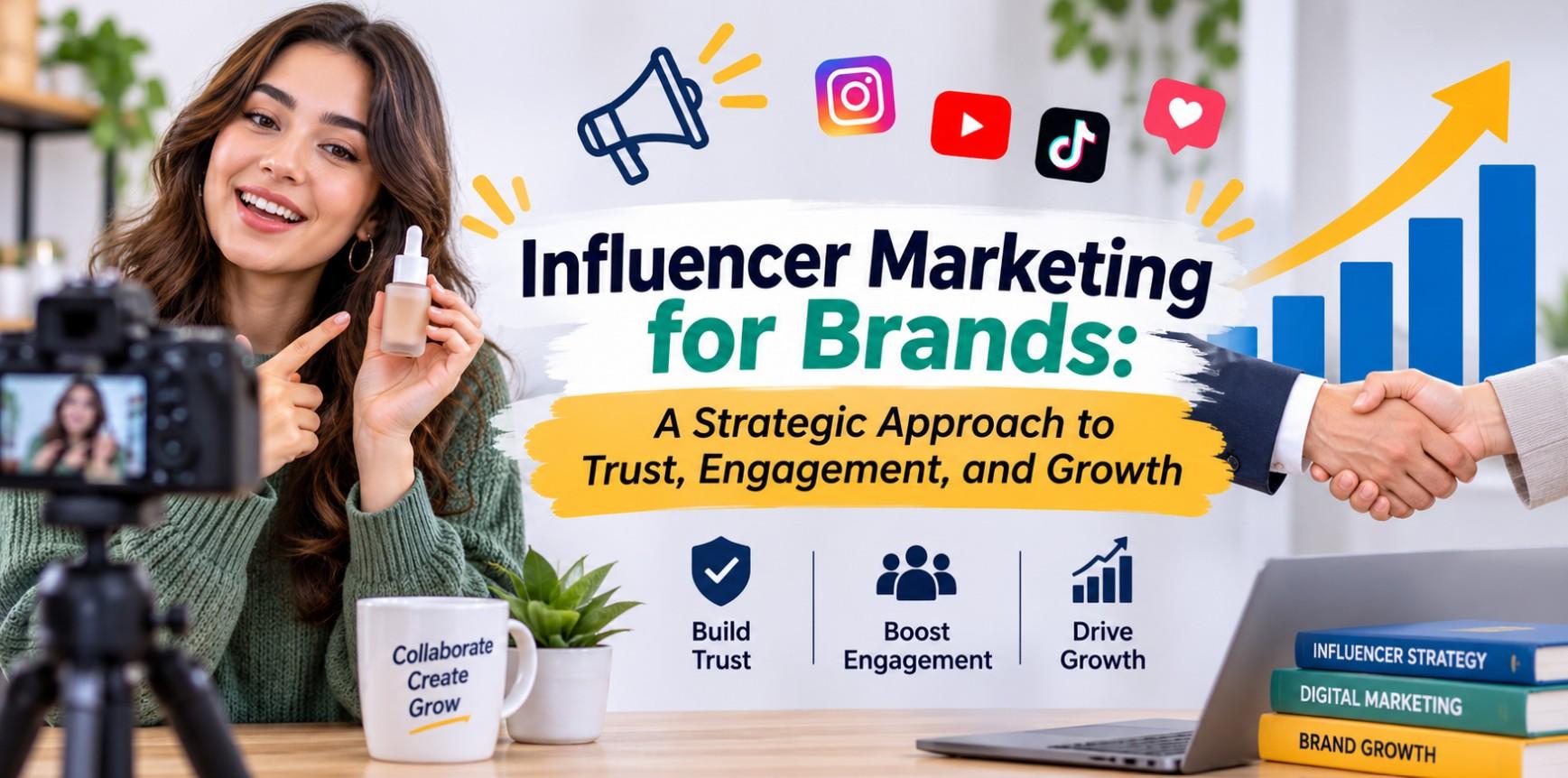
In today's competitive digital landscape, brands need more than traditional advertising to capture attention and build lasting relationships with customers. Consumers increasingly look for genuine recommendations, relatable experiences, and honest opinions before making purchasing decisions.
This shift has made influencer marketing an important part of modern digital marketing strategies. Influencer marketing for brands involves collaborating with content creators who have established credibility and meaningful relationships with specific audiences.
These partnerships help businesses introduce their products or services in a natural, engaging way. When planned effectively, influencer campaigns can increase brand awareness, strengthen customer trust, and generate measurable business results.
However, successful influencer marketing is not simply about working with popular personalities. It requires a clear strategy, suitable creator partnerships, relevant content, and consistent performance analysis.
Why Influencer Marketing Matters for Brands
Traditional advertising often focuses on communicating a message directly to potential customers. Influencer marketing takes a different approach by allowing creators to introduce products through their own experiences, storytelling, and established communication styles.
This approach can make promotional content feel more relatable and useful. When an influencer demonstrates how a product works or explains its benefits, audiences gain a clearer understanding of its value.
Influencer partnerships can also help brands reach niche communities that may be difficult to engage through conventional advertising. For example, a skincare business can collaborate with beauty creators, while a fitness company can partner with trainers who regularly share workout advice.
Beyond visibility, these collaborations can support customer acquisition, product discovery, audience engagement, and long term brand recognition. The real value comes from reaching the right people with a message that feels relevant to their interests.
Choosing Right Influencers for Your Brand
Selecting suitable influencers is one of the most important steps in developing a successful campaign. A large follower count might look impressive, but it does not automatically translate into meaningful engagement or sales.
Brands should evaluate an influencer's audience demographics, content quality, engagement patterns, communication style, and reputation. Their followers should closely match the people the business wants to reach.
Micro influencers can be particularly valuable for campaigns targeting specific interests or communities. Their smaller audiences may offer stronger personal connections and more focused conversations.
Macro influencers, meanwhile, can provide broader exposure when a campaign requires substantial reach. The best choice depends on campaign objectives, available resources, and the nature of the product or service.
Reviewing previous partnerships and the quality of audience interactions can also help businesses identify creators who are likely to represent them effectively. Most importantly, influencer selection should prioritize authenticity and relevance over popularity alone.
Creating Authentic Content That Connects
Effective influencer marketing gives creators enough freedom to communicate in their own voices while maintaining clear brand guidelines. Audiences can often recognize content that feels overly scripted or disconnected from a creator's usual style.
Instead of relying entirely on promotional messages, brands should encourage storytelling that demonstrates genuine product value. Tutorials, product demonstrations, honest reviews, behind the scenes experiences, and everyday use cases can make campaigns more engaging.
Content format also matters. Instagram Reels and Stories can support quick product discovery, TikTok videos can introduce products through creative and trend driven content, while YouTube reviews offer more room for detailed explanations and comparisons.
The objective is to create content that fits naturally into the platform and provides something useful to viewers.
Clear communication is equally important. Influencers should understand campaign expectations, key messages, deadlines, and disclosure requirements. At the same time, they should retain enough creative independence to produce content that resonates with their established audience.
Measuring Influencer Marketing Performance
A successful campaign should deliver more than likes and views. Brands need to understand whether their investment contributes to meaningful marketing objectives. The first step is establishing measurable goals before launching a campaign. If the priority is awareness, businesses can monitor reach, impressions, video views, and audience growth.
If the objective is engagement, comments, shares, saves, and meaningful interactions become more important. For sales focused campaigns, brands can track referral traffic, discount code usage, leads, conversions, customer acquisition costs, and return on investment.
Using campaign specific tracking methods helps businesses identify which creators and content formats generate the strongest results. Performance data also reveals opportunities to improve future collaborations.
It is important to evaluate results in context rather than relying on a single metric. A campaign that generates modest reach but attracts highly qualified customers may offer greater commercial value than one that receives millions of views without meaningful action. Regular analysis allows brands to refine their strategies and allocate budgets more effectively.
Combining Influencer Marketing With a Broader Digital Strategy
Influencer marketing works best when it supports a brand's wider marketing objectives. Integrating creator content with organic social media, paid advertising, email marketing, and website optimization can strengthen campaign performance.
For example, a business can repurpose approved influencer content across its social media channels or use high performing creator videos in paid campaigns, subject to the necessary usage permissions. This extends the value of content beyond its original publication.
Long term partnerships can also produce stronger results than isolated collaborations. Working with the same creators over time helps audiences become familiar with a product and understand how it fits into everyday life.
Brands should focus on building genuine professional relationships rather than treating every campaign as a one time transaction. Consistency, transparency, and mutual respect can support more sustainable growth.
Frequently Asked Questions
1. What is influencer marketing for brands?
Influencer marketing is a digital marketing strategy in which businesses collaborate with content creators to promote products, services, or ideas to relevant audiences. It helps increase visibility, build credibility, and encourage customer action.
2. How can brands choose the right influencers?
Brands should consider audience relevance, engagement quality, content style, creator credibility, and campaign objectives. Follower count alone is not a reliable indicator of campaign success.
3. Is influencer marketing suitable for small businesses?
Yes. Small businesses can work with niche creators whose audiences align with their products and target markets. Smaller, focused campaigns can provide valuable exposure without requiring the budgets associated with celebrity partnerships.
4. How can businesses measure influencer marketing ROI?
Businesses can measure return on investment by comparing campaign costs with the revenue generated. Referral traffic, tracked conversions, leads, customer acquisition costs, and engagement metrics also help evaluate overall performance.
Conclusion
Influencer marketing has become a valuable opportunity for brands seeking stronger customer relationships and sustainable digital growth. Its effectiveness depends on selecting relevant creators, producing authentic content, setting clear objectives, and measuring meaningful outcomes.
Rather than chasing popularity or short term attention, businesses should prioritize trust, audience alignment, and long term collaboration. By combining creative storytelling with data driven decision making, brands can build influencer marketing campaigns that strengthen credibility, expand reach, and contribute to lasting business success.

 English
 Arabic
 Spanish
 Portuguese
 Deutsch
 Turkish
 Dutch
 Italiano
 Russian
 Romaian
 Portuguese (Brazil)
 Greek