
Does Excessive Sweating Cause Hair Loss? Understanding the Connection Between Sweat and Hair Health
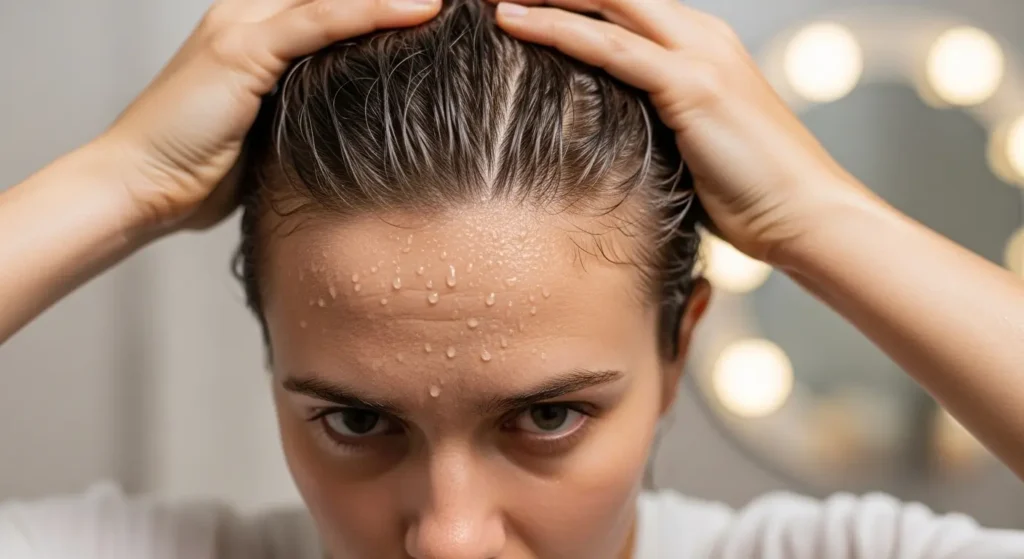
Hair health is influenced by several factors, including nutrition, genetics, stress, hormonal changes, scalp hygiene, and everyday lifestyle habits. Among these factors, sweating is often misunderstood. People who exercise regularly, work outdoors, wear helmets for extended periods, or live in hot and humid climates frequently wonder whether sweat can weaken their hair or contribute to excessive shedding. The concern becomes even more common during summer and monsoon when the scalp may remain damp for extended periods.
Understanding the relationship between sweat and hair health requires distinguishing between normal physiological sweating and the scalp conditions that can develop when moisture, oil, and environmental debris accumulate. Sweat itself is not generally considered a direct cause of hair loss. However, poor scalp hygiene, irritation, and certain underlying skin conditions may contribute to discomfort and make existing hair concerns more noticeable.
This article explores how sweating affects the scalp, whether excessive perspiration can contribute to hair problems, and which everyday habits can help maintain healthy hair without disrupting the body's natural cooling process.
Understanding Why the Scalp Produces Sweat
Sweating is a natural mechanism that helps regulate body temperature. When the body becomes warm during exercise, physical activity, or exposure to high temperatures, sweat glands release moisture onto the skin. As this moisture evaporates, it helps cool the body and maintain a stable internal temperature.
The scalp contains sweat glands, just like other areas of the skin. Consequently, perspiration around the hairline, crown, and back of the head is entirely normal. People with thick hair may notice that their scalp feels warmer or remains damp longer because hair can slow evaporation and limit airflow around the skin.
Sweat primarily consists of water and electrolytes, including sodium and chloride. It is different from sebum, the oily substance produced by sebaceous glands. Sebum helps lubricate the scalp and hair, while sweat supports temperature regulation.
When these substances mix with dead skin cells, styling products, and environmental pollutants, the scalp may feel greasy or uncomfortable. Nevertheless, the presence of sweat does not automatically indicate damage to hair follicles or an increased risk of permanent hair loss.
Does Excessive Sweat Cause Hair Loss?
One of the most common questions among fitness enthusiasts and people living in warm climates is, does excessive sweat cause hair loss? The straightforward answer is that excessive sweating alone is not an established direct cause of hair loss. Hair follicles are located beneath the skin's surface, and ordinary perspiration does not typically damage them.
However, the circumstances surrounding excessive sweating may influence scalp health. For example, repeatedly allowing sweat, oil, and product residue to accumulate can make the scalp uncomfortable. Individuals who are already susceptible to dandruff, seborrheic dermatitis, or other inflammatory scalp conditions may experience increased irritation under certain circumstances.
Persistent itching can also encourage scratching, which may damage the hair shafts or irritate the scalp. This can contribute to breakage or make shedding more noticeable, although it does not necessarily mean that the follicles have been permanently damaged.
It is equally important to consider other possible explanations for hair loss. Genetic hair thinning, nutritional deficiencies, thyroid disorders, hormonal changes, certain medications, and prolonged physical or emotional stress can all influence hair growth.
Therefore, someone experiencing increased hair shedding during periods of heavy sweating should not automatically assume that perspiration is responsible. Identifying the underlying cause is a more effective approach than attempting to eliminate sweating altogether.
Does Sweating Cause Hair Loss During Exercise?
Regular physical activity supports overall health, improves circulation, and can help manage stress. However, workouts frequently produce substantial perspiration, particularly during high-intensity training, outdoor running, cycling, and strength exercises.
People often ask, does sweating cause hair loss when they notice loose strands after exercising. In most cases, sweating during a workout does not directly cause hair follicles to release their hair. Hair shedding after exercise may simply involve strands that were already approaching the end of their natural growth cycle.
Hair normally progresses through several stages, including growth, transition, and resting. At the end of the resting stage, individual strands detach and are replaced as new growth develops. Because loose hairs can become trapped among surrounding strands, they may become more visible when someone washes, brushes, or rearranges their hair after exercise.
The more relevant concern is how the scalp is managed after sweating. Leaving the scalp damp for prolonged periods, wearing tight headgear that traps moisture, or repeatedly scratching an itchy scalp may increase discomfort.
A practical approach is to allow the scalp to cool, remove sweat-soaked headwear, and cleanse the hair when necessary. People who exercise daily do not necessarily need an aggressive shampooing routine; the appropriate frequency depends on their scalp type, hair texture, products, and level of perspiration.
How Sweat and Scalp Conditions May Be Connected
Although perspiration is not a direct cause of hair loss, certain scalp conditions can become more noticeable when the head remains warm, damp, or irritated.
1. Dandruff and Scalp Irritation
Dandruff is associated with several factors, including scalp oil, skin sensitivity, and the activity of naturally occurring Malassezia yeasts. Sweat does not independently cause dandruff, but the discomfort associated with a hot, damp scalp may make existing symptoms more noticeable.
People experiencing itching and flaking may be tempted to scratch frequently. Excessive scratching can injure the skin and damage hair shafts, potentially leading to breakage.
Using a suitable anti-dandruff shampoo and following its instructions may help control symptoms. Persistent inflammation, severe itching, or thick scaling warrants assessment by a dermatologist.
2. Sebum and Product Buildup
Sweat can mix with sebum, dry shampoo, hair sprays, gels, and other styling products. When these substances accumulate, the scalp may feel heavy, sticky, or greasy.
Product buildup does not automatically cause follicular damage, but it can make cleansing more difficult and contribute to discomfort in some individuals. Washing the scalp appropriately helps remove excess oil, perspiration, and residue without requiring harsh scrubbing.
3. Folliculitis and Skin Inflammation
Folliculitis involves inflammation of hair follicles and can sometimes develop in areas exposed to friction, occlusion, or certain microbial triggers. Tight headwear and prolonged moisture may contribute to an environment in which irritation becomes more likely, although sweating alone does not explain every case.
Symptoms may include tender bumps, redness, itching, or pus-filled spots around the follicles. Recurrent or severe symptoms should be evaluated by a healthcare professional rather than treated solely through changes to a hair care routine.
Can Sweat Make Existing Hair Thinning More Noticeable?
Sometimes, the answer lies in appearance rather than actual follicular damage. Wet hair tends to clump together, reducing its apparent volume and making the scalp more visible between strands. This effect can be particularly noticeable in people with fine hair or an existing pattern of thinning.
After exercise, sweat may flatten the roots and make hairstyles appear less full. Once the hair dries and separates naturally, the appearance often returns to normal.
It is also possible to notice loose strands while showering after a workout. These strands may have detached through the normal hair cycle or may have become more visible because the hair is being handled.
However, persistent thinning, a widening part, a receding hairline, or distinct bald patches should not be dismissed as an effect of sweat. These signs can indicate an underlying hair or scalp condition that requires appropriate evaluation.
Taking occasional photographs under similar lighting conditions can help distinguish temporary styling changes from gradual changes in hair density.
Effective Ways to Manage Sweat Without Damaging Hair
Maintaining scalp hygiene does not require avoiding exercise or trying to prevent natural perspiration. A consistent, gentle routine is usually more useful than excessive washing or the frequent use of specialised products.
Wash Your Hair According to Your Needs
People who sweat heavily may benefit from washing their hair more frequently, especially when the scalp becomes oily or uncomfortable. However, there is no universal shampooing schedule suitable for everyone.
Those with oily scalps may tolerate frequent washing better than people with very dry, curly, coily, or chemically treated hair. Choose a gentle shampoo suited to your scalp and hair type, and concentrate on cleansing the scalp rather than aggressively rubbing the lengths.
Rinse After Heavy Sweating When Appropriate
If a workout leaves the scalp saturated with sweat, rinsing with water can help remove some perspiration and surface residue. Shampoo may be necessary when the scalp feels greasy or when styling products have accumulated.
There is no need to wash repeatedly throughout the day simply because perspiration occurs. Excessive cleansing with harsh products can strip the hair of protective oils and increase dryness, tangling, and breakage.
Keep Helmets and Headwear Clean
Helmets, caps, headbands, and other accessories can trap heat and moisture against the scalp. Clean removable liners and fabric accessories according to the manufacturer's instructions, and allow them to dry thoroughly before reuse.
Ensure that headwear fits properly and does not create unnecessary friction. Protective helmets should never be loosened or modified in ways that compromise safety.
Avoid Scratching a Damp Scalp
Sweaty hair and an itchy scalp can encourage frequent scratching. However, scratching with fingernails may cause abrasions and increase irritation.
Instead, gently rinse the scalp, use appropriate cleansing products, and investigate persistent itching. If a particular shampoo, gel, or styling product appears to trigger symptoms, consider discontinuing it and seeking professional advice if the reaction continues.
Handle Hair Gently After Exercise
Wet hair can be more vulnerable to mechanical damage, particularly when it is tangled or subjected to forceful brushing. Use a wide-tooth comb where appropriate, detangle gently, and avoid tight hairstyles that repeatedly pull on the roots.
If you use a hair dryer, choose a moderate heat setting and avoid holding the dryer too close to the scalp. These measures help reduce breakage without requiring you to avoid washing your hair after exercise.
The Role of Nutrition, Sleep, and Stress in Hair Health
Scalp hygiene is only one component of healthy hair growth. Hair follicles also depend on adequate nutrition, normal hormonal function, and an appropriate balance between growth and resting phases.
Protein provides essential building blocks for hair, while iron, zinc, and other nutrients support normal physiological processes. Restrictive diets and nutritional deficiencies can contribute to shedding in susceptible individuals. Nevertheless, taking supplements without evidence of a deficiency is not necessarily beneficial and may sometimes be harmful.
Sleep and stress management are also important. Significant physical or emotional stress can trigger telogen effluvium, a temporary form of diffuse hair shedding that often becomes noticeable several months after the triggering event. Severe illness, major surgery, childbirth, and substantial weight loss can also contribute.
These factors illustrate why a person who sweats heavily and experiences hair loss may have two unrelated concerns rather than a direct cause-and-effect relationship. A balanced diet, sufficient sleep, regular exercise, and appropriate medical care support overall health, although they cannot eliminate every form of hair loss.
When Should You Consult a Dermatologist?
Occasional shedding is a normal part of the hair cycle. However, persistent or unusual changes deserve attention, particularly when they occur alongside scalp symptoms.
Consider consulting a dermatologist if you notice:
-
Sudden or substantial increases in hair shedding.
-
Progressive thinning or a widening part.
-
Clearly defined bald patches.
-
Persistent itching, redness, scaling, or painful scalp bumps.
-
Hair loss accompanied by other unexplained physical symptoms.
A dermatologist can examine the scalp, review your medical history, and recommend investigations when appropriate. Depending on the suspected cause, these may include blood tests for selected nutritional deficiencies, thyroid problems, or other relevant conditions.
Early assessment can help identify treatable causes and prevent unnecessary experimentation with products that may not address the underlying problem.
Conclusion
Sweating is a normal and essential bodily function, and ordinary perspiration does not directly cause hair loss in most people. However, prolonged moisture, friction, product buildup, and pre-existing scalp conditions may contribute to irritation or discomfort. These issues can sometimes make hair breakage or existing shedding more noticeable.
The best approach is to maintain a clean, comfortable scalp, wash according to individual needs, keep headwear hygienic, and handle wet hair gently. Equally important is recognising that persistent thinning may be linked to genetics, nutritional deficiencies, hormonal changes, illness, or stress rather than perspiration.
By understanding the difference between normal sweating and underlying scalp problems, individuals can continue exercising and enjoying their daily activities while taking sensible steps to protect their hair. When shedding becomes persistent, severe, or accompanied by visible scalp changes, professional evaluation is the most reliable way to identify the cause and determine an appropriate treatment plan.

 English
 Arabic
 French
 Spanish
 Portuguese
 Turkish
 Dutch
 Italiano
 Russian
 Romaian
 Portuguese (Brazil)
 Greek