
Book Style Rigid Boxes vs Collapsible Rigid Boxes: Which Should You Pick?
Which Premium Box Fits Your Product? A Practical Comparison
Book style rigid boxes suit gift sets, collectibles and any product that deserves a proper reveal, while collapsible rigid boxes make more sense when storage space and freight costs are your biggest worries. The right choice depends on how your product is unboxed, stored and shipped. Here is how to decide without guessing.
Why Box Structure Matters More Than You Think
Most brands spend weeks on logo placement and finishes, then pick a box shape almost as an afterthought. That is a mistake. A consumer study by Ipsos for the Paper and Packaging Board found that 72% of American shoppers say packaging design influences their buying decisions. The structure you choose shapes the first physical impression of your brand, long before anyone uses the product.
Structure also drives your hidden costs: warehouse space, shipping weight, assembly labor and damage rates. A box that looks beautiful but eats up half your shelving is not a bargain.
How Book Style Rigid Boxes Work
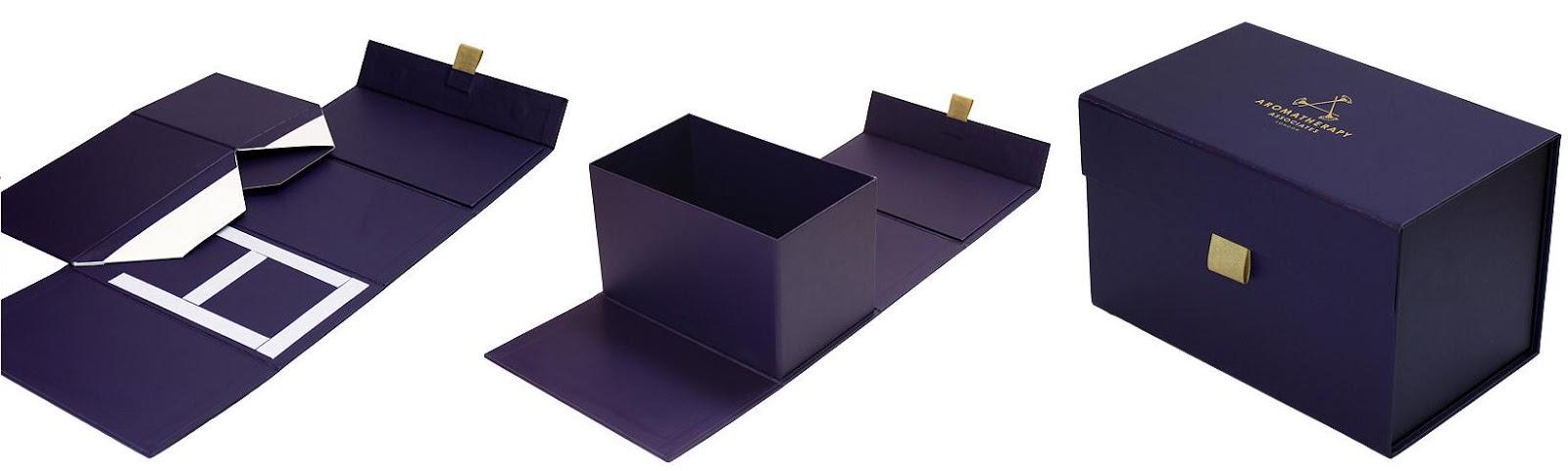
As the name suggests, a book style box opens like a hardcover book. A magnetic flap swings open on a spine hinge, revealing the product inside. Many brands pick book style rigid boxes because they turn a simple unboxing into a small ceremony.
Where They Shine
These boxes work well for skincare sets, jewelry, premium stationery, corporate gift kits and limited editions. The wide opening shows off the contents all at once, and the inside flap gives you extra space for a thank you note or a story card.
Things to Keep in Mind
They ship fully built, so they take up the same room empty as they do full. That affects storage and freight. The hinge and magnet also add a little to the unit cost compared with a plain lid and base box.
What Makes Collapsible Rigid Boxes Different
Collapsible rigid boxes keep the sturdy feel of rigid board but fold flat for storage and transport. When the customer or your packing team is ready, the box pops open and locks into shape. For brands dealing with high volumes or limited warehouse space, collapsible rigid boxes can change the math completely.
Where They Shine
Subscription brands, seasonal promotions, and businesses shipping to retailers in bulk tend to benefit most. A flat stack of boxes can fit many times more units on a pallet than the same number of assembled boxes.
Things to Keep in Mind
Assembly takes a few seconds per box, which adds up if you pack thousands a week. The folding lines also need careful design so the box stays tight and does not sag after repeated opening.
Side by Side: Cost, Storage and Shipping
Here is a plain way to compare the two formats.
- Presentation: Book style wins for drama and a polished reveal. Collapsible is attractive but more functional.
- Storage: Collapsible wins easily because it ships and stores flat.
- Freight: Flat boxes cost less to move, especially over long distances.
- Labor: Book style needs no assembly. Collapsible needs a quick setup step.
- Unit price: Prices vary by size and finish, but the extra hinge work in a book style box often puts it slightly higher.
How to Choose
Start with the moment you care about most. If it is the instant a customer lifts the flap, choose book style rigid boxes and invest in a good interior layout and a clean magnetic closure. If your pain point is pallet space and shipping bills, collapsible rigid boxes are the smarter pick.
Some brands use both. A hero product might arrive in a book style box for the launch, while everyday orders ship in a collapsible format to keep margins healthy. Ask your supplier for printed samples of each, because paper wrap, board thickness and foil finishes feel very different in hand than they look on a screen.
FAQ
Can I print on the inside of either box type?
Yes. Both formats accept custom printing inside and out, though book style boxes offer a larger, more visible inner panel for messaging.
Are collapsible boxes as strong as regular rigid boxes?
When made with quality board and well designed folds, they hold up very well for most retail and gifting uses. Heavy or fragile items may still need an insert for extra support.
What is the usual minimum order?
It varies by manufacturer, but custom rigid packaging often starts in the hundreds of units. Ask about sample runs before committing to a large order.
Final Thoughts
There is no universal winner here, only the better fit for your product and your operation. Think about who opens the box, where it sits before it ships, and what it costs to move it. Once those answers are clear, the choice between a showpiece box and a space saving one usually makes itself.

 English
 Arabic
 French
 Spanish
 Deutsch
 Turkish
 Dutch
 Italiano
 Russian
 Romaian
 Portuguese (Brazil)
 Greek