
Sweet Treat Packaging Guide: Materials, Sizing, and Design
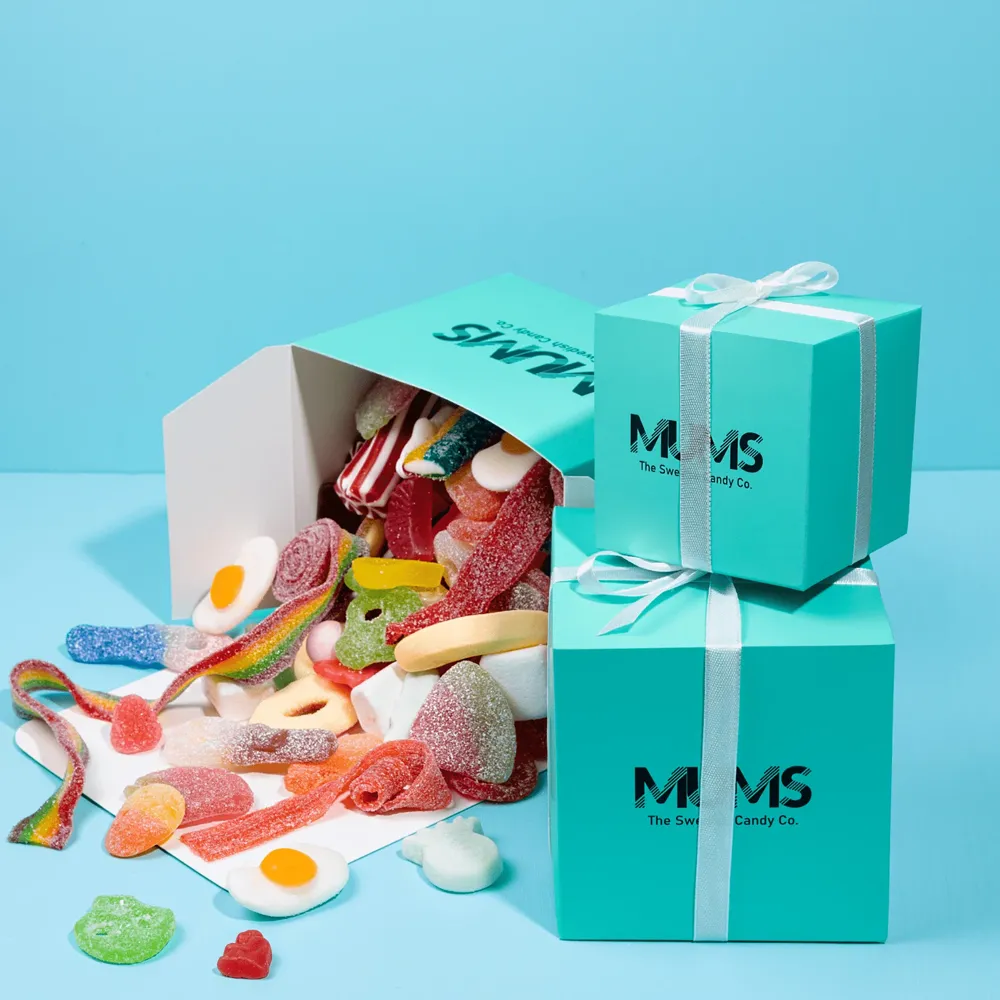
Sweet Success: How to Package Treats So They Arrive Looking Delicious
Every baker and confectioner knows the quiet anxiety of handing over a finished order. Hours of work sit inside a box, and that box has to keep everything fresh, intact, and attractive until it is opened. Good packaging is the last step of the recipe. Choosing the right custom bakery packaging boxes protects delicate products, reinforces your brand, and gives customers a small moment of delight before the first bite. This guide covers how to pick materials, plan sizes, and design packaging that works as hard as you do.
Why Packaging Shapes the Customer Experience
People judge sweets by sight long before they taste them. A tidy, sturdy box signals care, cleanliness, and quality, and that impression colors everything that follows. It also matches what shoppers say they value. A Shorr Packaging survey of more than 1,100 US consumers found that 58% were likely or very likely to buy products that clearly state their packaging is recyclable or reusable. A simple recycling note or a recyclable material can quietly build trust with customers who care about waste.
Packaging also travels farther than you do. Boxes get carried into offices, photographed at parties, and reused around the house. For independent shops with small ad budgets, custom bakery packaging boxes turn every sale into a little billboard that reaches new people without extra spend.
Selecting Materials That Protect
Structure and Strength
Heavier items like layered desserts, brownie slabs, and tarts need rigid board that won't buckle when lifted. Corrugated or thick paperboard performs well, and a reinforced base adds support for larger orders. Lighter items like cookies or macarons can use thinner board, which keeps costs down without sacrificing protection.
Grease and Moisture Control
Butter, chocolate, and fillings can leave marks on plain board. Grease-resistant coatings or liners keep boxes clean and presentable. Where possible, choose coatings that remain recyclable, since heavy plastic layers can undercut your sustainability message. For warm items, small vents or breathable liners help prevent steam from softening crisp textures.
Packaging Chocolates and Confections
Small sweets are deceptively tricky. They are fragile, sensitive to heat, and often bought as gifts, which raises the pressure on presentation.
Dividers and Inserts
Truffles, caramels, and filled chocolates should never rattle around. Paperboard dividers or molded inserts keep each piece in place and make the opening feel organized and luxurious. Custom candy boxes with inserts cut to your exact piece size look professional and prevent smudging or breakage during shipping.
Temperature and Freshness
Chocolate melts, and some candies turn sticky in humid weather. Ship in cooler months where you can, or add insulated liners and cold packs for summer orders. Choose custom candy boxes with a snug closure so air and moisture stay out, and consider a lined interior for extra protection. A short note on ideal storage conditions also helps customers enjoy products at their best.
Design Tips That Make Sweets Stand Out
Keep the Look Simple
Treat shops often have a warm, handmade personality, so let your packaging reflect it. One bold color, a clean logo, and a short line of copy usually look more inviting than a crowded pattern. Use high-resolution vector files, and match your colors to your shop sign and website. When custom bakery packaging boxes look consistent from store to socials, customers recognize you faster.
Add Small Surprises
A stamped date, a hand-signed thank-you, or a ribbon in your brand color adds warmth for almost nothing. Printing inside the lid creates a pleasant reveal when the box opens. Seasonal sleeves or stickers let you refresh the look for holidays without redesigning everything.
Budget and Timing
Pricing depends on size, board grade, coatings, print coverage, and quantity. Setup costs are spread across each order, so larger runs usually reduce the per-unit price. Still, avoid overbuying before a design is proven. Start with a month or two of expected demand, then reorder as sales grow. Ask suppliers to include proofs and delivery in each quote, and confirm that your custom bakery packaging boxes can be reordered using the same artwork file.
Production often takes several weeks, so order well ahead of peak seasons like holidays and wedding months. Request a physical sample first, and test it with real products, including a short drive with the box on the seat.
Frequently Asked Questions
Do I need food-safe materials?
Yes. Anything that touches food should meet food-safety standards, and requirements vary by region. Ask your supplier for documentation and confirm that coatings and inks are suitable before ordering in volume.
Can I order small quantities to test a design?
Often, yes. Digital printing generally allows lower minimums, which suits a trial run. Some sellers start with a small batch of custom candy boxes in their bestselling size and expand once feedback is positive.
How do I stop chocolate from melting in transit?
Use insulated liners, ship early in the week, and avoid hot vehicles or sunny doorsteps. For warm climates, add a cold pack and clear storage instructions inside the box.
Final Thoughts
Great sweets deserve packaging that keeps pace with the recipe. Pick sturdy, food-safe materials, size inserts to the exact products you sell, and keep the design clean and recognizable. Do that, and your custom bakery packaging boxes will carry every order safely while turning each delivery into a moment customers remember.

 English
 Arabic
 French
 Spanish
 Portuguese
 Deutsch
 Turkish
 Dutch
 Italiano
 Russian
 Portuguese (Brazil)
 Greek