
How Can You Get the Right Shop Shelving for Your Store?
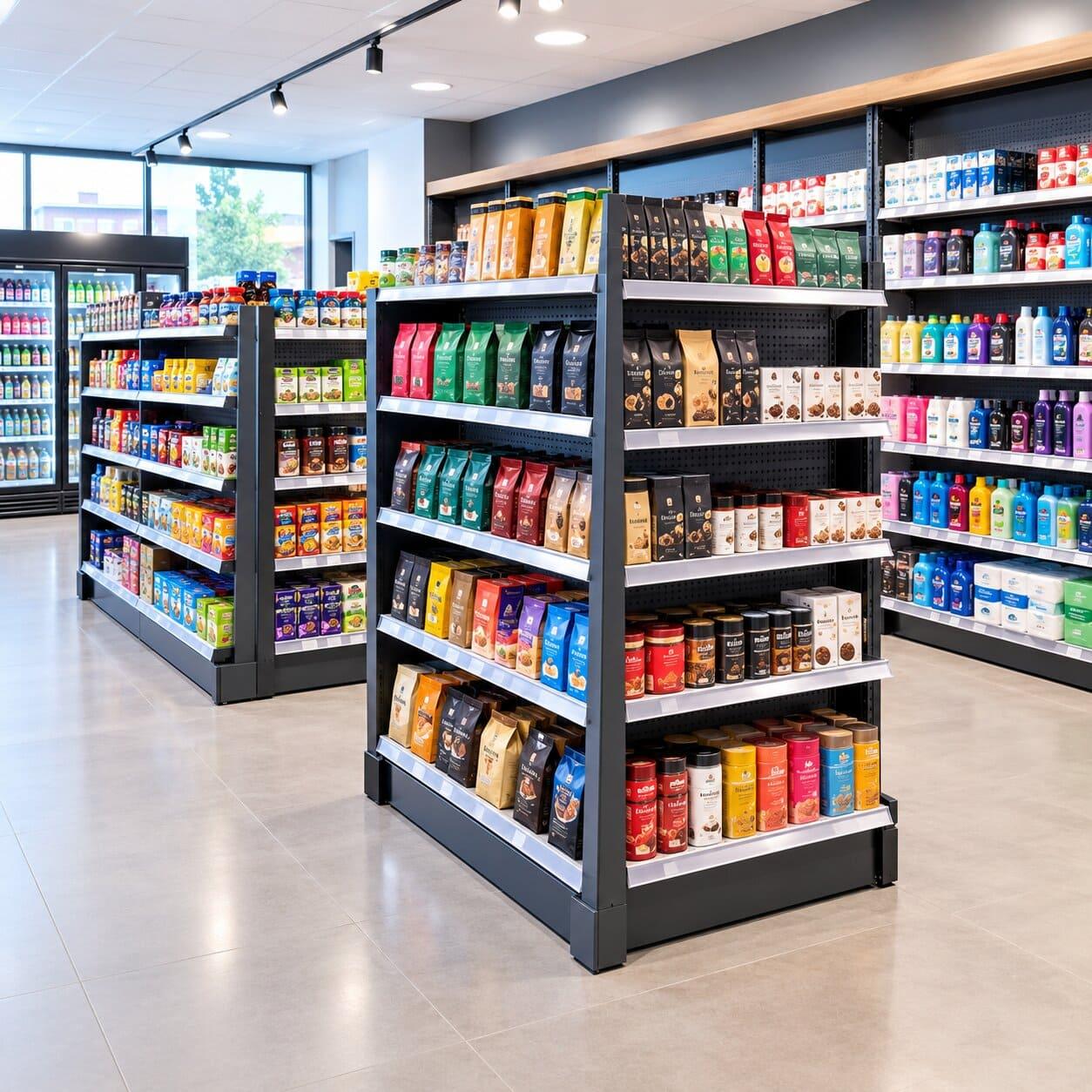
Choosing the right Shop Shelving can make a noticeable difference to how a retail store looks, works, and uses its available space. From convenience stores and supermarkets to hardware shops, clothing retailers, and independent businesses, suitable shelving gives products a clear place while helping staff keep the sales floor organised.
A good shelving system isn't simply about adding more storage. It needs to fit the shop layout, support the products being displayed, and provide customers with a comfortable browsing area. With the right configuration, retailers can use wall space, floor space, and vertical areas more effectively.
What Is Shop Shelving?
Shop shelving refers to commercial shelving systems designed for displaying and storing products in retail environments. Unlike basic domestic shelves, retail shelving is generally built around accessibility, product presentation, capacity, and efficient use of floor space.
Different systems can include wall-mounted shelves, freestanding units, gondola shelving, corner sections, adjustable shelves, and specialist display units.
The right option depends on the type of store, product range, available floor area, and the layout you want to create.
Why Get Shop Shelving for Your Store?
A dedicated shelving system can help create a more organised retail environment. Products can be grouped into clear categories, making it easier for customers to browse and for employees to restock shelves.
Shelving can also make better use of vertical space. Instead of displaying everything at floor level, retailers can create several product levels within the same footprint.
For busy stores, this can be especially useful. A well-planned shelving arrangement provides accessible product space while leaving enough room for customers to move between aisles.
How Can Shop Shelving Improve Product Display?
Product visibility is an important part of retail shelving. Products need to be positioned where customers can see and reach them without difficulty.
Adjustable shelves can make it easier to accommodate different product sizes. Smaller items may need closer shelf spacing, while larger products require more vertical clearance.
Retailers can also group related products together. For example, food items can be arranged by category, while household products, stationery, accessories, or hardware can each have dedicated sections.
This creates a logical store layout and makes regular restocking much simpler.
What Types of Shop Shelving Are Available?
There are several types of retail shelving, and each has a different purpose.
What Is Gondola Shop Shelving?
Gondola shelving is a freestanding retail system commonly used in supermarkets, convenience stores, and general retail shops. It can have shelving on one or both sides, allowing retailers to create practical aisles.
Double-sided gondola shelving is particularly useful for central floor areas because products can be displayed on both sides of the unit.
Can Wall-Mounted Shop Shelving Save Space?
Wall-mounted shelving can make use of otherwise unused wall areas. It's often suitable for stores where floor space is limited or where certain products need to remain against the perimeter of the shop.
Wall shelving can also work alongside freestanding units to create a consistent display system.
What Is Adjustable Shop Shelving?
Adjustable shelving allows shelf positions to be changed according to product height. This flexibility is useful for retailers with changing stock ranges.
Instead of replacing an entire unit when product dimensions change, staff can reposition the shelves to create more or less vertical space.
Can Corner Shelving Use Difficult Areas?
Corner shelving is designed to make better use of areas where standard straight shelving may not fit efficiently. Using corners can increase display capacity without requiring a major change to the main shop layout.
How Do You Choose the Right Shop Shelving Size?
Start by measuring the available retail area. Consider the length, width, and height of the space where the shelving will be installed.
You should also measure the products you plan to display. Shelf depth and vertical spacing need to be suitable for your stock.
Don't forget about customer movement. Shelving should provide enough display space without creating narrow or uncomfortable walkways.
A good layout balances product capacity with easy movement around the store.
What Materials Are Used for Shop Shelving?
Commercial shelving can be made using materials selected for strength, durability, and appearance. Metal shelving is commonly used in retail environments because it can support regular stock and withstand frequent use.
Different finishes can also be selected to suit the appearance of the shop. The choice may depend on the products being displayed and the overall interior design.
For high-use retail environments, construction quality is particularly important. Shelves need to remain stable while carrying the expected product load.
How Can Shop Shelving Help With Stock Management?
A well-organised shelving system can make stock management easier. Products have defined locations, making it simpler for staff to identify empty sections and replenish stock.
Shelves can also be arranged around product categories or sales areas. Frequently purchased products can be positioned in accessible sections, while additional stock can be stored elsewhere.
Clear organisation can reduce unnecessary searching and help employees maintain the sales floor throughout the day.
Can Shop Shelving Work in Small Shops?
Yes. Small retailers can use compact shelving layouts to make better use of limited space.
Tall shelving can increase vertical display capacity, while wall-mounted units can keep the central floor area open. Corner shelving can also help use areas that might otherwise remain empty.
For smaller stores, accurate measurements are especially important. Oversized units can make the shop feel crowded, while shelving that's too small may leave valuable display space unused.
How Should You Plan a Shop Shelving Layout?
Begin by identifying the main product categories and deciding where each category should be positioned.
Next, consider customer movement. Main aisles should remain easy to navigate, while important product sections should be visible and accessible.
You can then determine where freestanding shelving, wall units, gondolas, and specialist displays should be placed.
It's also worth leaving enough room for staff to restock products safely. A layout that looks good but makes replenishment difficult won't work well in everyday retail use.
What Features Should You Look For?
The right shelving system depends on your individual requirements, but several features are useful in many retail environments.
Look for:
-
Adjustable shelf levels
-
Strong construction
-
Suitable shelf depth
-
Practical product access
-
Stable freestanding units
-
Flexible configurations
-
Easy cleaning and maintenance
-
Efficient use of floor space
-
Suitable appearance for the store
The shelving should also be compatible with the products you sell. Heavy goods may require stronger shelving, while smaller products may benefit from closer shelf spacing.
How Can You Keep Shop Shelving Organised?
Regular maintenance helps keep shelving effective. Products should be returned to their correct sections after restocking, and empty areas should be checked throughout the day.
Shelves should also be kept clean and free from unnecessary packaging or clutter. Keeping product groups together makes it easier for customers to find what they're looking for.
Retailers can periodically review the shelving layout as their product range changes. A flexible shelving system makes these adjustments easier.
Why Is Durable Shop Shelving Important?
Retail shelving is used every day. Customers interact with products, staff restock shelves, and stock levels change regularly.
Durable shelving can withstand this repeated use and provide a dependable display structure. Strong construction is particularly important when heavier products are stored at higher quantities.
Choosing shelving based on expected usage, product weight, and store traffic can help create a reliable retail environment.
How Can You Get the Right Shop Shelving?
Start with the basics: measure your available space, identify the products you need to display, and decide how customers will move around the store.
Then consider whether you need gondola shelving, wall shelving, adjustable units, corner sections, or a combination of different systems.
It's also worth thinking about future changes. If your product range is likely to expand, flexible shelving can make it easier to adjust the store layout without replacing every unit.
Shop Solutions Midlands provides retail shelving options that can be considered for different store layouts and product display requirements.
What Makes Shop Shelving a Practical Retail Investment?
The right shelving can combine product presentation, storage capacity, and efficient use of retail space. It gives products a defined location while helping staff maintain an organised sales floor.
Whether you're fitting out a new shop or updating an existing retail space, the key is to choose a system that matches your products, available area, and everyday requirements.
With careful planning, Shop Shelving can help create a practical layout where products remain visible, accessible, and easy to manage.

 English
 Arabic
 French
 Spanish
 Portuguese
 Deutsch
 Dutch
Dutch
 Italiano
 Russian
 Romaian
 Portuguese (Brazil)
 Greek
Greek