
Exploring the Natural Flavors Market: Trends, Applications and Innovations
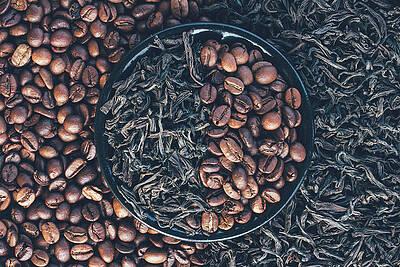
The natural flavors market is closely connected to the way food and beverage manufacturers respond to changing consumer tastes. Flavor is a major part of the product experience, influencing how consumers recognize, enjoy, and remember particular foods and drinks. Natural flavors allow manufacturers to develop a wide variety of taste profiles using ingredients derived from natural sources. These may include fruits, vegetables, herbs, spices, flowers, and other botanical materials. Their use extends across beverages, bakery products, confectionery, dairy products, savory foods, and packaged meals. As manufacturers continue to explore product differentiation, natural flavor ingredients remain an important part of food innovation.
One significant development area involves botanical flavor ingredients, which provide opportunities to introduce herbal, floral, spicy, and plant-inspired taste profiles into different products. These ingredients can be used individually or combined with fruit and other natural flavors to create distinctive sensory experiences. Botanical flavors are particularly useful for manufacturers seeking to move beyond conventional taste combinations and develop products with a more specialized identity. Their versatility supports innovation across beverages, confectionery, bakery products, and savory applications.
The Growing Importance of Flavor Innovation
Flavor innovation helps food and beverage businesses remain relevant in competitive markets. Consumers encounter a wide range of product choices, and taste can influence whether they try a new product or purchase it again. Manufacturers therefore invest attention in creating flavors that are enjoyable, distinctive, and appropriate for their target audiences.
Innovation may involve developing entirely new combinations or refreshing familiar flavors. Traditional fruit flavors can be paired with herbs, spices, or floral notes. Sweet products can incorporate more complex flavor combinations, while savory foods can use botanical ingredients to create richer taste profiles.
Regional food preferences can also inspire product development. Ingredients and flavor combinations associated with particular culinary traditions can be adapted for different food categories. This approach allows manufacturers to introduce culturally inspired products while maintaining an understanding of their target consumers.
Natural Flavors in Beverage Development
Beverages represent an important application area for natural flavors. Manufacturers use them in fruit drinks, flavored water, ready-to-drink refreshments, specialty teas, and other beverage categories. The selected flavor can define the character of a drink and influence its appeal.
Citrus and fruit profiles are useful for creating refreshing beverages. Herbal and botanical notes can add complexity, while combinations of fruit and spice can provide a different sensory experience. Manufacturers can also explore flavors associated with seasonal ingredients and regional food traditions.
Formulation is important because beverage products have specific technical requirements. Flavor ingredients must work within the product's liquid system and remain suitable throughout processing and storage. Developers must consider how the flavor interacts with acidity, sweetness, and other ingredients.
Applications in Dairy and Dairy Alternatives
Natural flavors are widely relevant to dairy products and plant-based alternatives. They can be used in flavored milk, yogurt, desserts, frozen products, and dairy-free beverages. Common flavor directions include fruit, vanilla, chocolate-inspired profiles, and specialty combinations.
Plant-based products create additional formulation considerations. Manufacturers may need to balance the natural taste of the base ingredient with the intended flavor profile. Natural flavors can help create a more rounded product experience when selected and applied appropriately.
The development process requires careful testing because flavor perception can change depending on the product's composition. A flavor that performs well in one formulation may need adjustment before it can be used in another.
Innovation in Bakery and Confectionery Products
Bakery and confectionery manufacturers use natural flavors to develop products with appealing sensory characteristics. In bakery applications, flavor ingredients can enhance cakes, biscuits, cookies, pastries, fillings, and dessert products. In confectionery, they can contribute fruit, botanical, spice, and other taste profiles.
Product developers must consider the conditions associated with manufacturing. Baking involves heat exposure, while confectionery production may involve different preparation and cooling processes. Flavor ingredients must be selected based on their suitability for the intended application.
Manufacturers can also explore combinations that create a distinctive product identity. Fruit and spice pairings, botanical-inspired sweets, and familiar flavors with contemporary variations can provide opportunities for differentiation.
The Role of Extraction and Formulation Technologies
Technology supports the development of natural flavors by improving the way ingredients are prepared and incorporated into products. Extraction approaches can help obtain desired flavor characteristics from natural raw materials. Formulation techniques then help flavor specialists adapt these ingredients to particular food systems.
The selection process requires an understanding of ingredient behavior, product composition, and processing conditions. Developers may assess flavor strength, compatibility, stability, and sensory balance before finalizing a formulation.
Quality control is equally important. Consistent procedures can help manufacturers maintain the intended flavor profile across production batches. This is particularly relevant for brands that need their products to deliver a familiar experience every time consumers purchase them.
Sourcing and Quality Considerations
Natural flavor ingredients depend on raw materials that may vary according to origin, agricultural conditions, and processing practices. Manufacturers need to work with suppliers capable of meeting their ingredient specifications.
Documentation and traceability can support quality management and ingredient transparency. Businesses must also consider storage, transportation, and handling requirements to preserve ingredient suitability.
Future Outlook for Natural Flavors
The natural flavors market has opportunities across several food and beverage categories. Product innovation, botanical ingredients, new combinations, and changing consumer preferences can influence future development.
Manufacturers that understand both sensory expectations and technical formulation requirements can create products that stand out in competitive markets. The ability to combine appealing taste with appropriate ingredient selection will remain central to the industry's development.
FAQs
Q1. What are botanical flavors in the natural flavors market?
Botanical flavors are taste ingredients derived from plant materials such as herbs, spices, flowers, and other botanicals. They can add distinctive flavor characteristics to foods and beverages.
Q2. Why is flavor innovation important for food manufacturers?
Flavor innovation helps manufacturers differentiate products, respond to changing consumer preferences, and create new sensory experiences across food and beverage categories.

 English
 Arabic
 Spanish
 Portuguese
 Deutsch
 Turkish
 Dutch
 Italiano
 Russian
 Romaian
 Portuguese (Brazil)
 Greek