
Africa Tire Industry: Vehicle Growth, Safety, and Emerging Opportunities
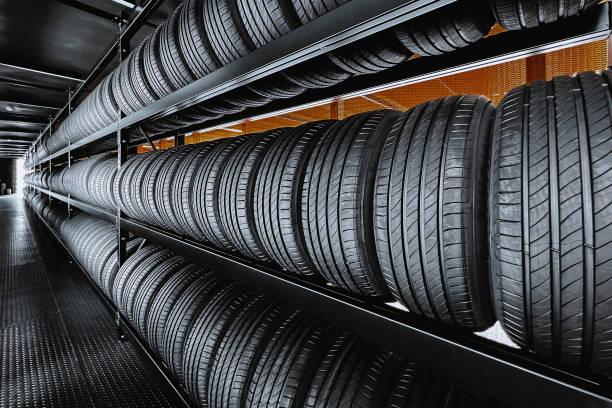
Africa’s automotive landscape is changing as vehicle ownership expands, urban populations grow, and transportation requirements increase across different countries. These developments are influencing demand for tires across passenger cars, commercial vehicles, two-wheelers, three-wheelers, and off-road equipment. At the same time, infrastructure investment, cross-border trade, and the expansion of logistics networks are creating additional requirements for reliable tire supply and replacement services.
According to Markntel Advisor Africa tire industry analysis, the sector was valued at around USD 6.35 billion in 2024 and is projected to reach USD 8.34 billion by 2030, expanding at an estimated CAGR of 4.65% during 2025–2030. The analysis identifies rising vehicle fleet numbers and urban mobility demand as major growth drivers, while passenger cars are projected to maintain the largest vehicle-type share and aftermarket demand is expected to remain prominent.
Vehicle Fleet Expansion Supports Tire Demand
The expansion of Africa’s vehicle fleet is an important factor shaping tire requirements. Increasing private vehicle ownership, improving household purchasing capacity in selected countries, and the continued use of automobiles for commercial activities are contributing to higher demand for both original-equipment and replacement tires.
Passenger cars are projected to account for the largest share through 2030. The increasing adoption of second-hand vehicles is particularly relevant because used cars remain an important transportation option for cost-sensitive consumers. Taxi and cab services also contribute to passenger vehicle utilization, creating additional replacement requirements as vehicles accumulate mileage.
Aftermarket Demand Remains Important
The aftermarket segment is expected to hold the largest share during the forecast period. A growing vehicle population naturally creates recurring replacement requirements, while greater awareness of tire inspection and maintenance can encourage vehicle owners to replace worn products more frequently.
Availability is also an important consideration. Consumers across African countries have access to tires through direct sales, multibrand stores, online channels, and cross-border trade. The increasing availability of budget and Chinese tire products has expanded the range of choices, although product quality and compliance remain important considerations for vehicle safety.
Infrastructure Development Expands Commercial Applications
Government investment in infrastructure is supporting construction and transportation activity across several African economies. New roads, industrial projects, urban developments, and logistics infrastructure require commercial vehicles and specialized equipment, creating demand for tires used in demanding operating environments.
Off-the-road equipment, including construction machinery and heavy-duty vehicles, can require specialized tires designed to withstand heavy loads and challenging terrain. As infrastructure projects progress, tire requirements can therefore extend beyond passenger vehicles into commercial and industrial applications.
Road Safety Creates a Need for Better Tire Practices
Tire condition is closely connected with road safety because worn, damaged, or unsuitable tires can affect vehicle handling and braking. The World Health Organization reports that the African Region has one of the highest road traffic fatality rates globally, while vulnerable road users account for a substantial share of road deaths. WHO’s road-safety assessment for the African Region highlights the importance of stronger road-safety systems and preventive measures.
The introduction of the African Road Safety Charter in 2026 also places greater emphasis on safer roads, vehicles, and road users. The legally binding continental framework calls for measures including stronger vehicle-safety standards, improved road infrastructure, and better road-crash data systems. The African Road Safety Charter provides an additional policy framework for improving road safety across participating countries.
Local Manufacturing Could Reduce Import Dependence
Africa remains substantially dependent on imported tires, creating exposure to international supply conditions, freight costs, currency movements, and cross-border trade policies. The development of local manufacturing capacity could gradually change the structure of tire supply in selected countries.
Government incentives and policies aimed at encouraging domestic industrial production may support investment in tire manufacturing and related activities. Local production could also improve supply responsiveness and reduce some logistical challenges associated with long-distance imports, although establishing competitive manufacturing facilities requires significant investment and technical capabilities.
South Africa Holds a Strategic Position
South Africa is projected to maintain the largest regional share during 2025–2030. Its automotive manufacturing base, trade relationships, transportation infrastructure, and government initiatives such as the Automotive Production and Development Programme contribute to its position within the regional tire ecosystem.
The country’s established automotive sector also provides connections across vehicle manufacturing, commercial transportation, tire distribution, and aftermarket services. Continued infrastructure and logistics activity may further reinforce the importance of commercial vehicles and associated tire requirements.
Digital Retail and Smart Technologies
Digitalization is beginning to influence how tires are purchased, monitored, and maintained. E-commerce platforms can increase access to tire products, particularly in areas where conventional retail networks are less developed. Online purchasing can also provide consumers with greater visibility into product specifications, sizes, and price categories.
Smart tire technologies represent another emerging development. Systems capable of monitoring tire pressure, temperature, and wear can support preventive maintenance, particularly for commercial fleets. Such technologies could become increasingly relevant as fleet operators seek to improve safety, reduce downtime, and manage vehicle operating costs.
Outlook for the Industry
Africa’s tire industry is being shaped by vehicle fleet expansion, urban mobility, infrastructure investment, commercial transportation, and changing consumer purchasing patterns. At the same time, road-safety requirements, imported product dependence, and the availability of substandard or used tires remain important challenges.
The combination of aftermarket demand, local manufacturing initiatives, digital retail, and smart tire technologies could influence how the industry develops through the remainder of the decade. Differences in vehicle ownership, infrastructure, regulation, and economic conditions across individual countries mean that growth patterns are likely to remain uneven, with opportunities varying considerably between regional markets.

 English
 Arabic
 Spanish
 Portuguese
 Deutsch
 Turkish
 Dutch
 Italiano
 Russian
 Romaian
 Portuguese (Brazil)
 Greek