
How Heel Drop Changes the Feel of Running
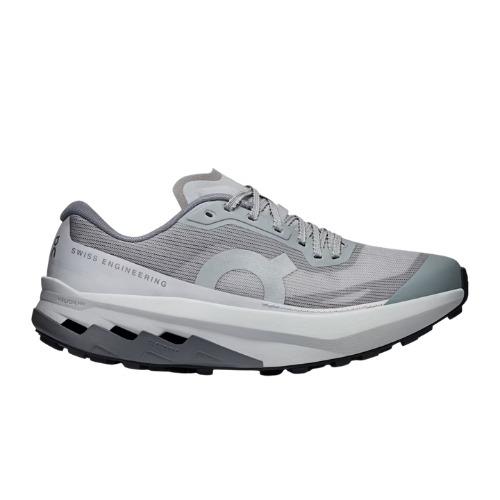
Choosing running shoes involves more than finding the right size or picking a design you like. Small differences in a shoe’s construction can change how it feels on your feet, especially during longer runs. One detail worth understanding is heel drop, which describes the height difference between the heel and forefoot. Although it may seem like a minor measurement, it can influence your running posture, how your foot moves, and where you feel pressure during a run.
Understanding heel drop can help you compare running shoes more confidently. Whether you run a few miles each week, train for a race, or simply want a comfortable pair for everyday activity, knowing how this feature works can make your next shoe purchase more practical.
What Is Heel Drop in Running Shoes?
Heel drop, also called heel-to-toe drop, is the difference in height between the heel and the front portion of a running shoe. Manufacturers typically measure this difference in millimeters. A shoe with a 10 mm drop has a heel that sits 10 mm higher than its forefoot, while a shoe with a 4 mm drop has a smaller difference.
Heel drop is not the same as total https://onrunningg.us/on-cloud/ cushioning or stack height. A shoe can have thick cushioning under both the heel and forefoot while maintaining a relatively low drop. Another shoe may have less overall cushioning but a higher heel relative to the front of the foot.
This distinction matters because two running shoes can look similar on a shelf yet feel noticeably different when you run in them. Heel drop is one factor to consider alongside fit, flexibility, cushioning, and intended use.
How Different Heel Drops Affect Your Running Feel
High Heel Drop: More Height at the Back
Running shoes with a higher heel drop commonly have a difference of around 8–12 mm, although classifications vary between brands. This design places the heel higher relative to the forefoot and may feel familiar to runners who have spent years wearing traditional running shoes.
Some runners find higher-drop shoes comfortable because they reduce the amount of ankle movement required during certain phases of the running stride. However, the effect depends on the individual runner, their technique, and the shoe's overall design.
A higher drop does not automatically make a shoe more comfortable or suitable for heel strikers. Foot strike is influenced by several factors, and heel drop alone does not determine how your foot lands.
Low Heel Drop: A Smaller Height Difference
Low-drop shoes generally have a heel-to-toe difference of approximately 0–6 mm. Their flatter profile may encourage a different running feel, particularly for people accustomed to shoes with a higher heel.
Some runners prefer this setup because it feels more natural to them. Others may notice greater demands on their calves and Achilles tendons, especially when switching from a higher-drop shoe without allowing time for adaptation.
Low drop is not automatically better for running form. If you are comfortable and running consistently in your current shoes, there may be no reason to change simply because another drop measurement is popular.
Zero Drop: Heel and Forefoot at the Same Height
Zero-drop running shoes position the heel and forefoot at approximately the same height. This creates a level platform, but it does not necessarily mean the shoe is thin, minimally cushioned, or designed for barefoot running.
Runners who prefer zero-drop shoes may appreciate the balanced feel underfoot. However, the transition can place different demands on the lower legs and feet, particularly for those accustomed to traditional running shoes.
If you want to try zero-drop footwear, begin with short, easy runs or walks rather than immediately using it for your longest training session. Pay attention to how your calves, feet, and Achilles tendons respond.
Does Heel Drop Change Your Running Form?
Heel drop can influence running mechanics, but it does not dictate exactly how you run. Your speed, stride length, mobility, fatigue, and individual anatomy all contribute to your movement.
A higher-drop shoe may feel more comfortable to someone who prefers a traditional running platform. A lower-drop shoe may feel more balanced to another runner. Neither preference automatically indicates better technique or greater efficiency.
It is also worth separating foot strike from heel drop. Some runners land on their heels in low-drop shoes, while others land closer to the middle or front of their feet in higher-drop models. Shoe geometry can influence movement, but it does not force every runner into one particular pattern.
Instead of trying to change your stride solely to match a shoe, focus on comfort, consistent training, and gradual adjustments. If you experience recurring pain or are considering a substantial change in running mechanics, a qualified sports physiotherapist or running specialist can help you assess your needs.
How to Choose the Right Heel Drop for Your Needs
The best heel drop is the one that works with your comfort, running habits, and training goals. Start by considering what you currently wear and how your body responds to it.
If your existing shoes feel comfortable and you can complete your usual runs without problems, choosing a similar drop is a sensible starting point. You can then compare other options based on fit, cushioning, stability, and how the shoes feel during an easy test run.
Runners who experience calf or Achilles discomfort should be particularly cautious about moving quickly to a lower drop. A change in shoe geometry can alter the demands placed on these areas, although pain can have many causes. Anyone dealing with persistent symptoms should seek professional guidance rather than relying on footwear changes alone.
Think about your main activity, too. A shoe used for short, relaxed runs may feel different from one used for longer training sessions. Walking comfort, gym workouts, and everyday wear may also influence your choice, so consider how you plan to use the shoes rather than focusing on one measurement.
What to Check Before Buying
Try on shoes later in the day if your feet tend to swell, and make sure there is adequate room in the toe box. Walk around and, when possible, jog briefly to assess how the heel, arch, and forefoot feel together.
If you are comparing models, check the stated heel drop in their official product information. Do not assume that two shoes with the same drop will feel identical because cushioning materials, rocker geometry, flexibility, and overall shape also affect the experience.
How to Transition Between Different Heel Drops
Changing heel drop is best approached gradually, particularly when moving from a high-drop shoe to a low-drop or zero-drop model. Your muscles and tendons may need time to adjust to the different demands created by the shoe's geometry.
Start by wearing the new shoes for a short, easy session while keeping most of your usual training in familiar footwear. If you feel comfortable, increase your use of the new shoes gradually over subsequent sessions. Avoid introducing a new drop, increasing mileage, and adding speed workouts all at once.
Pay attention to unusual soreness in your calves, feet, or Achilles tendons. Mild muscle fatigue can occur when adapting to a different movement pattern, but sharp pain, worsening discomfort, or symptoms that continue between runs deserve attention. Stop the activity if pain develops and seek professional advice when necessary.
There is no universal transition schedule because runners differ in training history, mobility, and injury background. Let your body's response guide the process instead of trying to meet an arbitrary deadline.
Common Mistakes When Comparing Heel Drop
One common mistake is assuming that a higher drop always suits heel strikers or that a lower drop automatically improves running technique. Neither conclusion accounts for the many factors that influence comfort and movement.
Another mistake is choosing shoes based on drop alone. A shoe with your preferred measurement may still have an unsuitable fit, uncomfortable upper, or cushioning that does not meet your needs. The complete shoe matters more than any single specification.
Finally, avoid changing footwear simply because other runners recommend a particular style. What feels comfortable for a training partner may not work as well for you. Use heel drop as a comparison tool, then consider the shoe's fit, intended use, and your own experience before making a decision.
FAq's
Is a higher or lower heel drop better for running?
Neither is universally better; the right option depends on your comfort, running habits, mobility, and individual needs.
Does heel drop affect heel striking?
It may influence running mechanics, but heel drop does not determine whether you land on your heel, midfoot, or forefoot.
Are zero-drop shoes suitable for beginners?
They can suit some beginners, but a gradual transition is important, particularly for people accustomed to higher-drop footwear.
Can changing heel drop cause calf pain?
Yes, changing to a lower drop can increase demands on the calf muscles and Achilles tendons, especially if the transition happens too quickly.
Should I change heel drop if my current running shoes feel comfortable?
Not necessarily; if your shoes fit well and support your training without recurring problems, there may be no need to change.

 English
 Arabic
 French
 Spanish
 Portuguese
 Deutsch
 Turkish
 Dutch
 Italiano
 Russian
 Romaian
 Portuguese (Brazil)