
Dental Aesthetics: Making Informed Choices About Oral Health
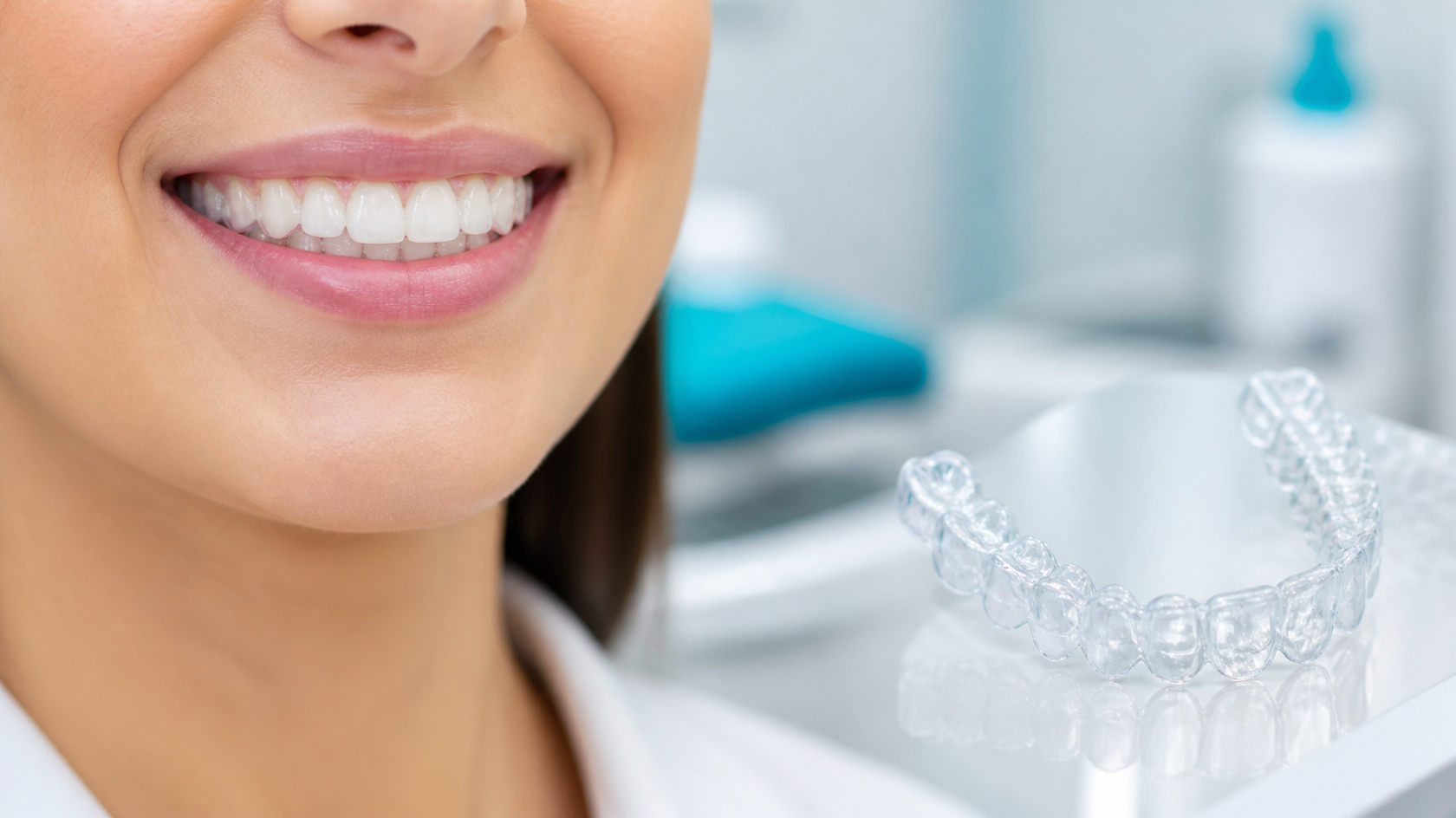
Dental health influences more than the appearance of a smile. It affects how comfortably people eat, speak, and manage their everyday routines. Yet many people postpone dental appointments because they are uncertain about symptoms, worried about treatment, or unsure which procedure they actually need.
Making better dental decisions starts with understanding your concerns and seeking appropriate professional advice. A small change in the gums, a chipped tooth, persistent sensitivity, or difficulty chewing may have different causes, so choosing a treatment without an examination can lead to confusion or unnecessary expense.
The website https://www.dentalaesthetics.pk/ is a starting point for exploring dental care services and learning more about available treatment options. Dental Aesthetics provides general, cosmetic, restorative, and orthodontic services, helping patients explore care for different dental needs.
However, online information should support—not replace—a dental consultation.
Why Dental Care Should Be Part of Your Routine
Many oral health problems develop gradually. Plaque can accumulate on tooth surfaces, gums may become inflamed, and small areas of tooth decay can worsen if left untreated. Regular dental care helps identify potential problems before they become more complicated.
A consistent routine includes brushing with fluoride toothpaste, cleaning between teeth, limiting frequent sugary snacks and drinks, and attending dental appointments as recommended. These habits help reduce the risk of common oral health concerns, although they cannot prevent every dental problem.
Professional examinations also provide an opportunity to discuss concerns that may not be obvious at home. A dentist can assess areas that are difficult to see, check the gums, and recommend further tests when needed.
Understanding the Different Areas of Dental Care
Dentistry includes several branches, each designed to address particular concerns. Knowing the basic differences can help patients understand why one treatment may be recommended instead of another.
Preventive Dentistry
Preventive care focuses on maintaining oral health and reducing the risk of future problems. It includes routine examinations, professional cleaning when needed, fluoride-based prevention, and advice on brushing and flossing.
Even people who brush regularly may develop hardened deposits in areas that are difficult to clean. A dentist can determine whether professional scaling is appropriate and how often it may be needed.
Preventive appointments also allow patients to discuss changes such as bleeding gums, sensitivity, or persistent bad breath. These symptoms can have several causes, and identifying the underlying issue is more useful than simply masking the symptom.
Restorative Dentistry
Restorative dentistry aims to repair teeth affected by decay, damage, or structural weakness. Depending on the condition, a dentist may recommend a filling, crown, root canal treatment, or another procedure.
The right treatment depends on how much of the tooth remains healthy and whether the inner tissues are affected. A small cavity may require a straightforward restoration, while a severely damaged tooth could need a more involved plan.
Prompt assessment matters because delaying treatment may allow damage to progress. If a tooth becomes painful or sensitive, a professional examination can help determine the cause and identify suitable care.
Cosmetic Dentistry
Cosmetic dentistry focuses on improving the appearance of the smile. Common concerns include stained teeth, uneven edges, gaps, and differences in tooth shape.
Available procedures may include professional whitening, veneers, bonding, or selected contouring treatments. However, not every cosmetic concern requires a procedure, and the most suitable option depends on the condition of the natural teeth.
For example, surface stains may respond to professional cleaning or whitening, whereas a chipped tooth may require a different approach. A dentist should explain the benefits, limitations, maintenance requirements, and potential risks before treatment begins.
Orthodontic Care
Orthodontic treatment addresses the position of teeth and certain bite problems. Crowding, spacing, overlapping teeth, and bite irregularities may be assessed for possible correction.
Depending on the case, treatment may involve conventional braces, ceramic braces, lingual braces, or clear aligners. Each option has different requirements, and the decision should be based on the patient's dental condition rather than popularity alone.
Patients should ask how long treatment may take, what follow-up visits involve, and how retainers will be used after the teeth reach their planned positions.
Replacing Missing Teeth
Missing teeth can affect chewing, speech, and the balance of the bite. Depending on the number and location of missing teeth, options may include dental implants, bridges, or removable dentures.
The choice depends on several factors, including the health of neighbouring teeth, available bone, gum condition, general oral health, and personal preferences. Some options require surgery, while others involve different preparation and maintenance needs.
A consultation can help establish whether tooth replacement is necessary and which alternatives are suitable for the individual situation.
How to Know When You Should See a Dentist
Not every dental concern causes severe pain at first. Paying attention to changes in the mouth can help patients seek advice before a problem becomes more serious.
Consider arranging a dental appointment if you notice:
-
Gums that bleed repeatedly during brushing or flossing.
-
Persistent tooth sensitivity to hot, cold, or sweet foods.
-
A chipped, cracked, loose, or damaged tooth.
-
Ongoing bad breath despite regular oral hygiene.
-
Pain while biting or chewing.
-
A new gap, change in bite, or movement in the teeth.
-
A sore or unusual area in the mouth that does not heal.
Facial swelling, difficulty swallowing or breathing, or swelling associated with severe dental pain requires urgent medical or dental attention. Breathing or swallowing difficulties should be treated as an emergency.
Avoid relying solely on online articles to diagnose symptoms. Similar signs can arise from different conditions, and treatment depends on the cause.
How to Prepare for a Dental Consultation
A little preparation can help you make better use of your appointment. Before visiting the clinic, consider writing down the main concern and when it began.
Think about whether the symptom appears during eating, brushing, or drinking cold beverages. If the problem comes and goes, explain how frequently it happens and whether anything makes it better or worse.
It is also useful to prepare questions about the recommended treatment, alternatives, recovery, and expected costs.
During your consultation, ask the dentist to explain:
-
What is causing the dental problem?
-
Is treatment required immediately, or can it be monitored?
-
What options are available?
-
What are the likely benefits and limitations of each option?
-
How many appointments may be needed?
-
What will the treatment and follow-up care cost?
-
What can I do at home to maintain the result?
You should feel comfortable asking for clarification if an explanation is difficult to understand. Good communication helps you make a more informed decision.
What to Consider Before Choosing a Dental Procedure
A procedure that works well for one person may not be suitable for someone else. Before agreeing to treatment, make sure you understand the purpose of the procedure and how it relates to your particular dental condition.
Review the Diagnosis
Ask which findings support the proposed treatment. Depending on the concern, the dentist may need to examine the teeth and gums, take photographs, or recommend dental imaging.
Diagnostic tests should be selected according to clinical need. They help the professional understand the problem and plan treatment appropriately.
Compare Suitable Alternatives
In some situations, more than one treatment may be available. Ask how the options differ in durability, appearance, comfort, cost, and maintenance.
For example, a damaged tooth might be treated in different ways depending on the extent of the damage. Similarly, a smile concern may be addressed with orthodontic treatment or a cosmetic procedure, depending on the cause. The alternatives should be discussed in the context of your actual needs.
Understand Maintenance Requirements
Dental treatment does not always end when the procedure is complete. Some restorations require special care, orthodontic treatment may require retainers, and implants need ongoing cleaning and professional monitoring.
Before starting, ask what maintenance will involve and whether future repairs or replacements may be necessary. Understanding these requirements helps you plan for the long term.
Discuss Costs Clearly
Dental fees can vary according to treatment complexity, materials, diagnostic requirements, and the number of appointments. Ask for an estimate that explains what is included and whether additional procedures could be needed.
If your budget is limited, tell the dentist. They may be able to explain which concerns require prompt attention and which options can be planned for later. Treatment should be prioritised according to clinical need rather than price alone.
The Role of Comfort and Communication in Dental Care
Dental anxiety is common, and it can prevent people from attending appointments even when they have a clear concern. Previous experiences, fear of discomfort, or uncertainty about the procedure may contribute to this hesitation.
Tell the dental team if you feel nervous. You can ask them to explain each step before it begins, discuss ways to manage discomfort, and agree on a signal to pause if you need a break.
If a procedure requires local anaesthesia or another form of comfort support, the dental professional can explain what is appropriate for your situation. Different treatments have different requirements, so it is best to discuss concerns before the appointment.
A comfortable consultation should allow you to share your worries, understand your options, and make decisions without feeling rushed.
Maintaining Oral Health After Treatment
Aftercare is an important part of successful dental care. The instructions depend on the procedure, but the overall aim is to protect the teeth and gums while supporting long-term results.
Brush twice daily with fluoride toothpaste and clean between your teeth every day. Follow any additional instructions provided after a filling, extraction, professional cleaning, implant procedure, or orthodontic appointment.
Avoid ignoring new or worsening symptoms after treatment. Some temporary sensitivity or tenderness may occur after certain procedures, but severe pain, increasing swelling, fever, or other unexpected symptoms should be discussed promptly with your dental professional.
Keep attending routine check-ups according to your dentist's advice. These visits help monitor existing restorations, assess gum health, and identify any new concerns.
Exploring Dental Services Through Dental Aesthetics
Patients researching dental treatment often want to understand which services are available before arranging a consultation. The Dental Aesthetics website provides information about different treatment categories, including orthodontics, cosmetic dentistry, restorative care, gum treatment, and tooth replacement.
Use the information to prepare questions rather than choosing a procedure based on a description alone. A service page can explain what a treatment generally involves, but it cannot determine whether that treatment is right for your teeth.
Before booking, identify your main concern and ask what information or records may be useful for the appointment. If you have had previous dental treatment, bring relevant records when available. This can help the dentist understand your history and discuss appropriate next steps.
A good treatment decision should be based on a clear diagnosis, a discussion of alternatives, realistic expectations, and an aftercare plan that you can follow.
FAQs About Dental Care
How often should I visit a dentist?
The recommended interval depends on your oral health, history of dental problems, and risk factors. Your dentist can suggest a schedule that suits your needs.
Can I choose a dental treatment based on information I find online?
Online information is useful for learning about common procedures, but it cannot replace an examination. A dentist should assess your condition before recommending treatment.
Is professional teeth cleaning necessary if I brush every day?
Daily brushing is essential, but it may not remove all hardened deposits. A dentist can determine whether professional cleaning is needed based on your teeth and gum health.
Should I treat a toothache immediately?
A toothache should be assessed promptly, particularly if it persists or worsens. Facial swelling, fever, or difficulty swallowing requires urgent attention, while breathing difficulties are an emergency.
How can I maintain the results of dental treatment?
Follow the aftercare instructions provided by your dentist, maintain good oral hygiene, attend recommended check-ups, and seek advice if you notice new symptoms or changes.
Where can I learn about Dental Aesthetics services?
Explore the clinic's available dental services and prepare for a consultation. The dental team can help determine which options are suitable after assessing your needs.
Final Thoughts
Better dental care begins with understanding your concerns and asking the right questions. Whether you need preventive care, treatment for a damaged tooth, cosmetic improvements, orthodontic correction, or a replacement for missing teeth, the right approach depends on your oral health and individual circumstances.
A starting point to explore available services and prepare for a professional discussion. Dental Aesthetics aims to provide different forms of dental care, helping patients learn about their options and plan their next steps.
With informed decisions, consistent home care, and appropriate professional guidance, you can take practical steps toward maintaining a comfortable and healthy smile.

 English
 Arabic
 Spanish
 Portuguese
 Deutsch
 Turkish
 Dutch
 Italiano
 Russian
 Romaian
 Portuguese (Brazil)
 Greek