
How Much Does Home Remodeling Cost in New Jersey?
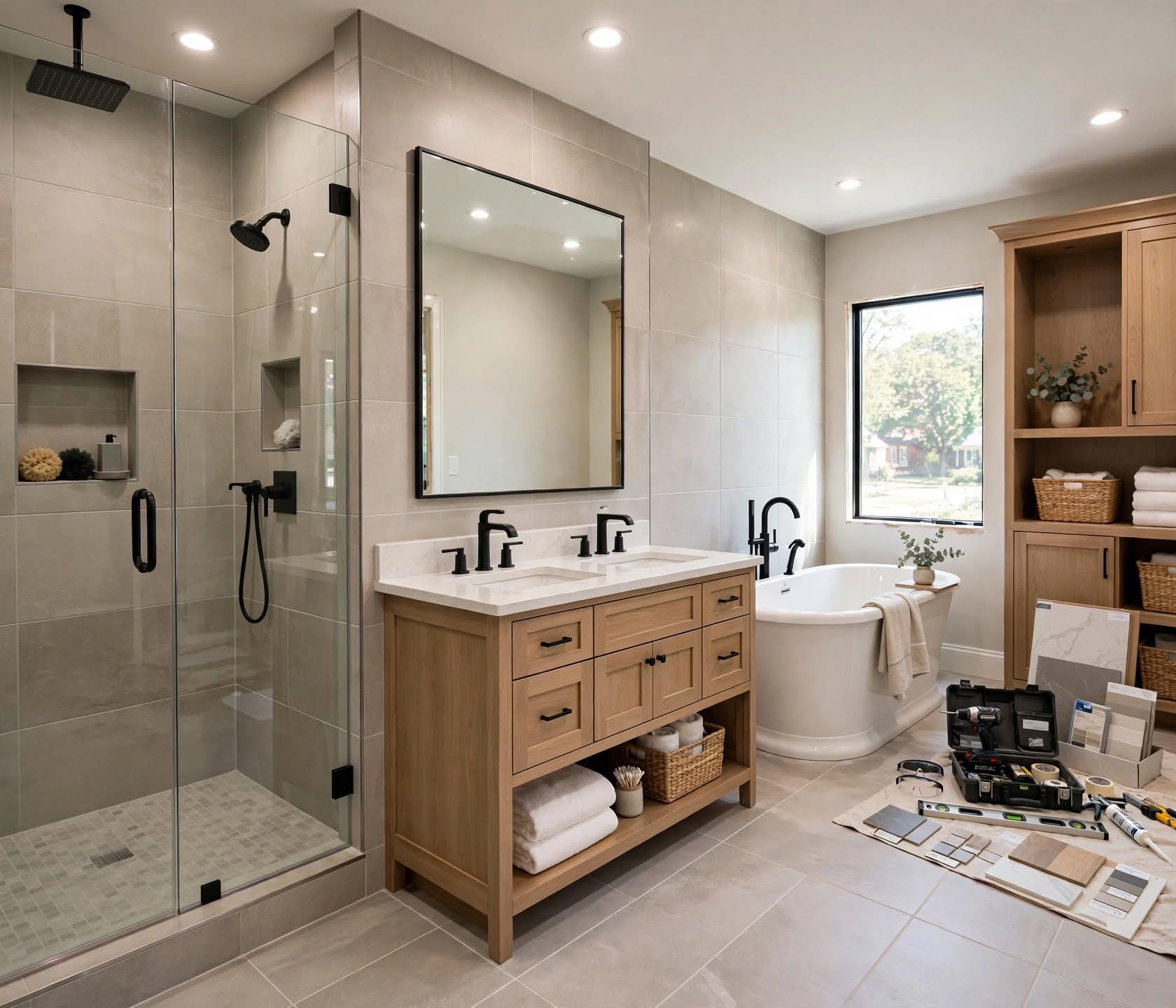
Home remodeling can transform an outdated property into a more comfortable, functional, and attractive living space. For New Jersey homeowners, understanding the potential investment before starting a project is important. Professional home remodeling services can range from updating a single room to completing a whole-house renovation, and the total cost depends on the project's size, materials, design, labor, and structural requirements.
What Determines the Cost of Home Remodeling?
There is no single price for remodeling a home because every property and project is different. A small renovation involving cosmetic improvements will have very different costs from a complete renovation involving structural and layout changes.
Several factors can influence the overall budget, including:
-
Size and scope of the project
-
Number of rooms being remodeled
-
Quality of materials and finishes
-
Labor and installation
-
Plumbing and electrical modifications
-
Structural changes
-
Custom cabinetry and millwork
-
Flooring and painting
-
Permits and inspections
-
Design and planning requirements
Homeowners should define their priorities before requesting estimates so contractors can provide a more accurate understanding of the project's potential cost.
Remodeling One Room vs. the Entire Home
The scope of a remodeling project is one of the biggest factors affecting the budget.
A homeowner may decide to renovate only a kitchen, bathroom, basement, or living area. Focusing on one space can make the project easier to manage and allows homeowners to concentrate their budget on specific improvements.
A whole-home remodel is more extensive. It may involve several rooms, flooring, lighting, plumbing, electrical systems, cabinetry, walls, doors, and other components. Because more areas are involved, the planning and construction process can also become more complex.
Kitchen Remodeling Costs
The kitchen is often one of the most important areas of a home remodeling project. Depending on the design, a kitchen renovation may include new cabinets, countertops, appliances, flooring, lighting, backsplash tile, sinks, and plumbing fixtures.
Keeping the existing kitchen layout may help reduce some costs because major plumbing and electrical connections may not need to be relocated.
On the other hand, creating an entirely new layout can involve additional construction and installation work.
Homeowners can manage their budget by deciding which kitchen features deserve premium materials and where more affordable alternatives may be suitable.
Bathroom Remodeling Costs
Bathroom remodeling can range from simple updates to complete renovations.
A basic project might involve replacing fixtures, flooring, lighting, or a vanity. A larger renovation could include a new shower, bathtub, custom cabinetry, tile work, plumbing modifications, and improved ventilation.
The size of the bathroom, selected materials, and complexity of the installation can all influence the final price.
Basement Remodeling Costs
Finishing or remodeling a basement can provide additional usable space without adding a completely new floor to the home.
Basement projects may include:
-
Family rooms
-
Home offices
-
Guest bedrooms
-
Entertainment areas
-
Home gyms
-
Storage areas
-
Additional bathrooms
The existing condition of the basement is particularly important. Moisture problems, insulation, electrical work, plumbing, flooring, and ceiling requirements may all affect the remodeling budget.
Whole-Home Remodeling
A whole-home renovation typically involves multiple areas of the property and requires careful coordination.
Depending on the homeowner's goals, the project may include:
-
Kitchen renovation
-
Bathroom remodeling
-
Bedroom updates
-
Living room improvements
-
Basement finishing
-
New flooring
-
Interior painting
-
Lighting upgrades
-
Door and trim replacement
-
Custom storage
-
Layout modifications
Whole-home remodeling can be completed in phases or as a larger coordinated project. The best approach depends on the property's condition, the homeowner's budget, and the desired timeline.
How Materials Affect Remodeling Costs
Material selection can significantly change the final project budget.
For example, homeowners may have several choices for flooring, countertops, cabinets, tile, lighting fixtures, doors, and other finishes.
Premium materials can provide a distinctive appearance and may offer durability or specialized features. However, homeowners do not necessarily need the most expensive option for every part of a renovation.
A practical strategy is to identify high-priority features and allocate more of the budget to those areas while selecting cost-effective materials elsewhere.
Labor and Installation
Labor is another major component of remodeling costs.
Experienced professionals may be needed for carpentry, plumbing, electrical work, tile installation, flooring, painting, cabinetry, and other specialized tasks.
Projects that require several trades need additional coordination. A renovation involving structural changes or extensive mechanical work may also take longer than a cosmetic update.
Getting a detailed estimate that separates major project components can help homeowners understand where their budget is going.
Plumbing and Electrical Changes
Moving walls or changing the location of major fixtures can increase remodeling costs.
For example, relocating a kitchen sink or bathroom toilet may require plumbing changes. Adding recessed lighting, new outlets, appliances, or upgraded electrical systems can also increase the project's scope.
Before construction begins, homeowners should discuss proposed layout changes with their remodeling professional to understand how they may affect the budget.
Permits and Building Requirements
Certain remodeling projects may require permits and inspections. Requirements can vary depending on the municipality and the type of work being performed.
Projects involving structural modifications, plumbing, electrical systems, additions, or other major changes may have specific requirements.
Homeowners should confirm the applicable requirements before construction begins. A professional remodeling contractor can also help explain which permits may be needed for the planned work.
How to Create a Realistic Remodeling Budget
Creating a budget before construction begins can help homeowners make informed decisions.
Start by identifying the most important improvements. Separate essential repairs from optional upgrades, then research material and labor requirements for each part of the project.
It is also sensible to keep a contingency amount for unexpected issues. Older homes can sometimes reveal problems behind walls, ceilings, or floors once demolition begins.
A realistic budget should account for both the planned work and possible surprises.
Ways to Control Remodeling Costs
Homeowners do not have to sacrifice quality to manage their remodeling budget. Several planning strategies can help control expenses.
Keep the Existing Layout When Possible
Avoiding major plumbing and structural changes can reduce the complexity of certain projects.
Select Materials Early
Choosing flooring, cabinets, countertops, fixtures, and other finishes before construction starts can make budgeting easier.
Prioritize Major Improvements
Focus spending on improvements that have the greatest impact on comfort, functionality, and appearance.
Compare Detailed Estimates
Rather than comparing only the total price, review what each estimate includes. Labor, materials, permits, disposal, and installation should be clearly explained.
Avoid Frequent Design Changes
Changing the design after construction begins can create additional labor, material, and scheduling costs.
Should You Remodel or Move?
For some New Jersey homeowners, remodeling can be an alternative to moving to a different property.
If you like your home's location but need more functional space, a renovation may allow you to adapt the property to your current lifestyle.
For example, an outdated kitchen can be redesigned, an unfinished basement can become usable living space, or multiple rooms can be updated as part of a larger renovation.
The decision depends on the home's condition, renovation goals, available budget, and personal circumstances.
How to Choose a Home Remodeling Contractor
Choosing a qualified contractor is an important part of managing a remodeling budget.
Before hiring a contractor, homeowners should consider:
-
Relevant remodeling experience
-
Licensing and insurance
-
Previous project examples
-
Customer reviews and references
-
Written estimates
-
Project timelines
-
Material options
-
Warranty information
-
Permit responsibilities
-
Payment terms
A detailed written proposal can help both the homeowner and contractor understand the project's scope before work begins.
Final Thoughts
The cost of home remodeling in New Jersey depends on numerous factors, including the size of the project, materials, labor, design, property condition, and required structural, plumbing, or electrical work. A small room update will have a different budget from a complete whole-house renovation.
The best way to plan a remodeling project is to establish clear goals, create a realistic budget, compare detailed estimates, and select materials carefully. With proper planning and professional guidance, homeowners can make strategic improvements that enhance the comfort, functionality, and appearance of their New Jersey homes.

 English
 Arabic
 French
 Spanish
 Portuguese
 Deutsch
 Dutch
Dutch
 Italiano
 Russian
 Romaian
 Portuguese (Brazil)
 Greek
Greek