
Common Pest Control Challenges in Commercial Buildings With Shared Utility Systems
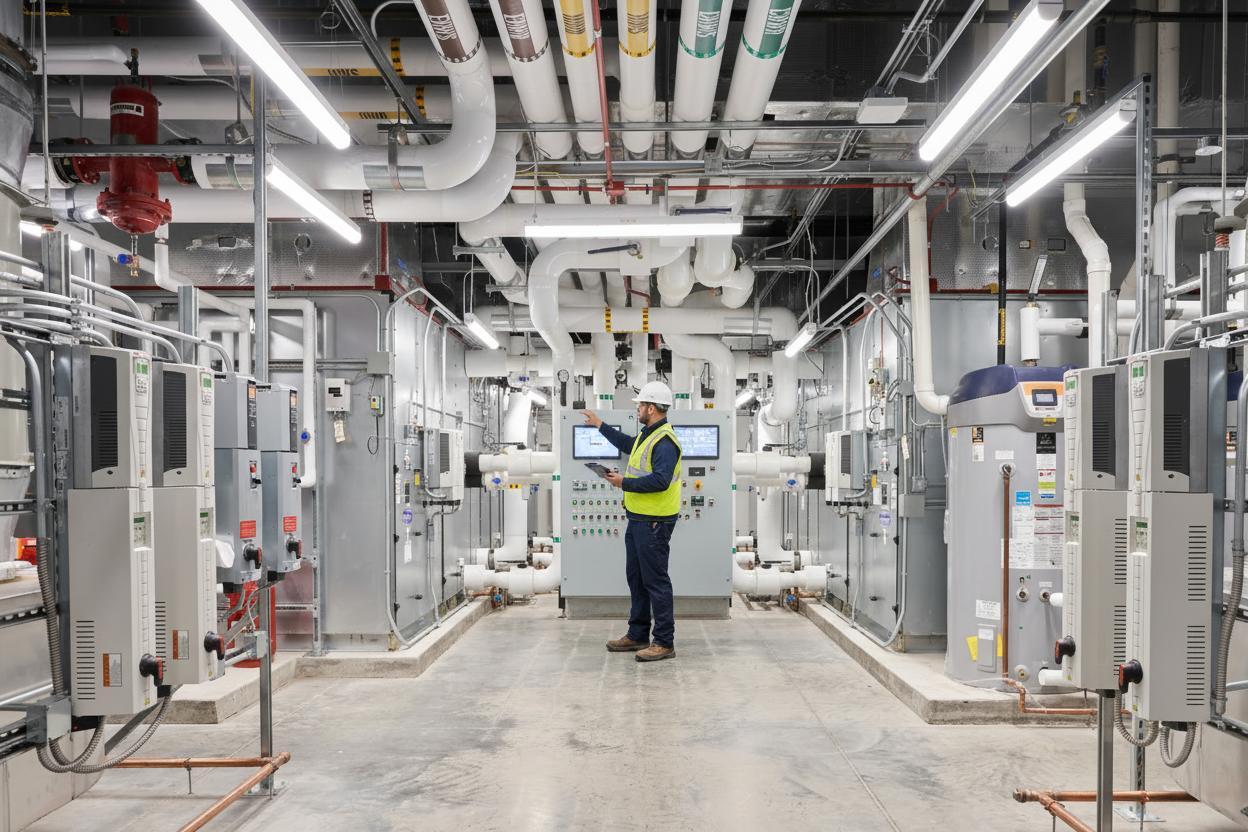
Commercial buildings often rely on interconnected plumbing, electrical conduits, heating and cooling systems, and service shafts to support daily operations. Although these systems improve building functionality, they can also create hidden pathways that allow pests to move between rooms, floors, and neighboring business units.
When rodents enter through an opening around a pipe or electrical cable, they may travel through concealed wall cavities before appearing in an office, storage room, or kitchen. This makes it difficult to identify the original entry point and prevent further activity.
Professional rodent exclusion services can help businesses address these problems by identifying vulnerable openings and recommending suitable rodent-resistant barriers. However, effective pest prevention also requires attention to moisture, sanitation, maintenance, and communication between property managers and tenants.
Understanding the challenges associated with shared utility systems allows facility managers to develop a more coordinated approach to pest management. Instead of treating each sighting as an isolated incident, businesses can investigate the connected areas that may be contributing to recurring infestations.
Why Shared Utility Systems Create Pest Control Challenges
Shared utility systems connect different parts of a commercial building. Plumbing pipes, electrical conduits, HVAC lines, drainage systems, and cable routes often pass through walls, ceilings, floors, and service corridors.
Small gaps around these installations may provide access to concealed spaces. Once inside, certain pests can move along pipework, through wall cavities, or above suspended ceilings without being noticed.
Several building conditions can increase this risk:
-
Openings around water pipes, gas lines, and electrical conduits.
-
Damaged seals where utility equipment enters the building.
-
Unsealed gaps between floors and shared walls.
-
Moisture caused by leaking pipes or condensation.
-
Cluttered service rooms that receive limited inspection.
-
Poorly maintained doors, vents, and exterior utility access points.
A pest problem may therefore originate in one location and become visible somewhere else. For example, rodents entering near a loading dock may travel through concealed service routes and eventually appear in an office kitchen.
Treating only the area where pests are spotted may provide temporary relief without correcting the underlying access problem.
Common Pest Problems in Shared Utility Areas
Different pests exploit different conditions within commercial buildings. Identifying the species and its likely movement patterns is an important first step toward selecting an appropriate control strategy.
1. Rodents in Walls and Ceiling Voids
Rats and mice can enter through openings around utility penetrations, damaged door seals, foundation gaps, and poorly protected service entrances.
Wall cavities, ceiling voids, and equipment rooms may provide sheltered movement routes. Rodents can also damage insulation, contaminate stored materials, and gnaw on wiring.
Professional rodent exclusion services focus on identifying and closing suitable entry points with materials appropriate for the building and the location. Inspection should cover both visible openings and concealed routes that connect different sections of the property.
2. Cockroaches Around Plumbing Systems
Cockroaches are attracted to moisture, warmth, and accessible food. Commercial kitchens, utility rooms, drains, and spaces beneath sinks can provide suitable conditions.
In multi-tenant buildings, shared plumbing areas and wall voids may allow cockroaches to move beyond the room where the infestation first appeared. Persistent activity can indicate that sanitation problems, moisture sources, or nearby harborages remain unaddressed.
3. Ants Following Pipes and Conduits
Ants may travel along pipes, cables, wall edges, and other structural features while searching for food or water. Small openings around utility installations can make entry easier.
Removing visible ants without addressing their food source or entry route may not solve a recurring problem. Businesses should inspect nearby storage areas, break rooms, and damp locations to determine what is attracting them.
4. Flies and Moisture-Associated Pests
Some fly problems are connected to organic residue, blocked drains, leaking plumbing, or standing water. Utility rooms with poor drainage and neglected floor drains can provide conditions that support persistent activity.
Correcting the underlying sanitation or moisture issue is essential. Repeatedly treating adult flies without investigating potential breeding sources may deliver only short-term results.
Major Challenges in Controlling Pests Across Multiple Units
Locating the Original Entry Point
One of the most difficult tasks is identifying where pests first entered the building. A rodent spotted on the third floor may have entered through a ground-level utility opening and travelled through concealed structural spaces.
A thorough inspection should examine:
-
Pipe and cable penetrations.
-
Electrical and mechanical service rooms.
-
Basement walls and foundation joints.
-
Suspended ceilings and accessible wall voids.
-
Loading docks and external utility connections.
-
Waste storage areas and service corridors.
Documenting these locations helps maintenance teams prioritize repairs and monitor recurring activity.
Coordinating Multiple Tenants
Commercial properties may contain offices, restaurants, retail units, storage facilities, and other businesses with different cleaning practices and operating schedules.
If one tenant reports pest activity while another has an untreated source nearby, individual treatments may not resolve the building-wide problem.
Property managers should establish a shared reporting process, communicate inspection findings, and coordinate access to common areas. Tenants should also receive clear instructions about food storage, waste disposal, and reporting sightings.
Accessing Concealed Infrastructure
Utility systems can be difficult to inspect because pipes, cables, ducts, and equipment may be hidden behind walls or above ceilings.
Opening these spaces without proper planning can create safety hazards or interfere with building services. Electrical panels, gas installations, fire protection systems, and HVAC equipment should be handled by appropriately qualified personnel.
Pest management professionals should coordinate with facility engineers and maintenance contractors when inspections or repairs involve restricted infrastructure.
Preventing Pests From Returning
Removing visible pests does not automatically prevent new ones from entering. If access points remain open or nearby conditions continue attracting pests, activity may resume.
Successful prevention combines appropriate treatment with structural exclusion, sanitation, moisture control, and ongoing monitoring.
Practical Strategies for Preventing Recurring Infestations
A structured pest prevention plan can reduce the likelihood of recurring problems in commercial buildings.
1. Inspect and Seal Utility Openings
Inspect areas where plumbing, cables, conduits, and HVAC lines pass through walls, floors, and ceilings.
Select suitable materials based on the size of the opening, the surrounding construction, and the service involved. Rodent-resistant metal mesh, sheet metal, and appropriate sealants may be suitable in certain locations.
Ordinary expanding foam alone should not be assumed to provide reliable rodent protection. Fire-rated penetrations must retain their required fire-stopping performance, and repairs around electrical or gas services should follow applicable safety requirements.
2. Address Leaks and Excess Moisture
Water leaks can attract pests and create favorable conditions for some insects. Facility managers should inspect plumbing connections, drainage points, air-conditioning condensate lines, and areas where condensation occurs.
Arrange prompt repairs and ensure affected areas are dried and cleaned appropriately. Moisture control can reduce pest attraction while also helping protect building materials.
3. Improve Sanitation in Shared Areas
Communal kitchens, break rooms, waste storage areas, and loading docks should have clear cleaning responsibilities.
Recommended practices include:
-
Store food in sealed containers.
-
Remove rubbish regularly.
-
Clean spills and food residue promptly.
-
Keep waste containers covered and in good condition.
-
Avoid leaving cardboard and unused materials in service rooms.
-
Clean drains and investigate persistent odors or moisture.
These measures reduce the food and shelter available to many common commercial pests.
4. Establish Routine Monitoring
Regular inspections can reveal developing problems before they affect multiple tenants. Use a consistent checklist and record sightings, droppings, damaged seals, moisture concerns, and completed repairs.
The following table outlines a practical monitoring framework.
|
Inspection area |
What to check |
Recommended action |
|
Utility penetrations |
Gaps around pipes and cables |
Arrange appropriate sealing |
|
Mechanical rooms |
Moisture, clutter, pest signs |
Clean and correct maintenance issues |
|
Loading docks |
Door gaps and damaged seals |
Repair entry points |
|
Shared kitchens |
Food residue and waste |
Improve cleaning routines |
|
Ceiling and wall voids |
Accessible signs of pest activity |
Arrange professional inspection |
|
Drainage areas |
Leaks, standing water, organic buildup |
Repair and clean affected areas |
Inspection frequency should reflect the building's layout, pest history, business activities, and identified risks.
5. Coordinate Maintenance and Pest Control
Pest management works best when technicians, building engineers, cleaning teams, and property managers share relevant information.
For example, a technician may identify rodent droppings near a service riser, while a maintenance contractor discovers an unsealed opening on another floor. Recording both findings can help establish a likely route and guide corrective work.
A coordinated approach reduces duplicated effort and makes it easier to determine whether repairs have resolved the problem.
When to Consider Professional Pest Control
Professional assistance is advisable when pest activity continues despite improved sanitation, when entry points are difficult to locate, or when the problem appears in several units or floors.
A qualified pest management professional can inspect accessible areas, identify pest species, assess entry routes, and recommend a suitable combination of monitoring, treatment, exclusion, and sanitation measures.
Businesses experiencing recurring rodent activity may benefit from rodent control services in Illinois to learn more about addressing rodent problems and improving prevention.
The appropriate service plan should account for the building's structure, the type of business operating inside it, the severity of the infestation, and any safety or access restrictions.
Property managers should also keep records of inspections, corrective actions, and follow-up visits. These records help identify patterns and assess whether the prevention strategy is working.
Conclusion
Shared utility systems can make pest control more complicated because pipes, conduits, ceiling voids, and service corridors may connect otherwise separate areas of a commercial building. Rodents, cockroaches, ants, and other pests can exploit these routes when structural openings, moisture problems, or sanitation issues remain unresolved.
Effective prevention requires more than treating visible pests. Businesses should inspect utility penetrations, maintain plumbing and drainage systems, improve sanitation, coordinate repairs, and monitor high-risk areas regularly.
When property managers combine these measures with professional assessment and suitable exclusion work, they can address the conditions that allow infestations to spread and reduce the risk of recurring pest problems.
Frequently Asked Questions
1. Why are shared utility systems a pest control concern?
They may connect wall cavities, floors, ceilings, and service areas, allowing pests to move between different parts of a building.
2. Which pests commonly travel through utility openings?
Rodents, cockroaches, and ants may use gaps around pipes, cables, conduits, and other structural penetrations.
3. Can sealing utility openings prevent rodent infestations?
Appropriate exclusion can reduce entry opportunities, but it should be combined with sanitation, monitoring, and management of existing rodent activity.
4. Who should repair gaps around commercial utility systems?
Qualified maintenance professionals or suitable contractors should perform repairs according to the material, location, and applicable fire, electrical, plumbing, and building requirements.
5. How often should shared utility areas be inspected?
Inspection frequency depends on building conditions, pest history, and risk. High-risk areas may require more frequent monitoring than areas with no history of activity.
6. When should a commercial building arrange professional pest control?
Arrange an assessment when pest sightings recur, activity appears in multiple areas, or the entry routes cannot be identified and corrected through routine maintenance.

 English
 Arabic
 French
 Spanish
 Portuguese
 Deutsch
 Turkish
 Dutch
 Italiano
 Russian
 Romaian
 Greek