
Snow Shovelling and Back Pain Common Mistakes That Strain Your Lower Back
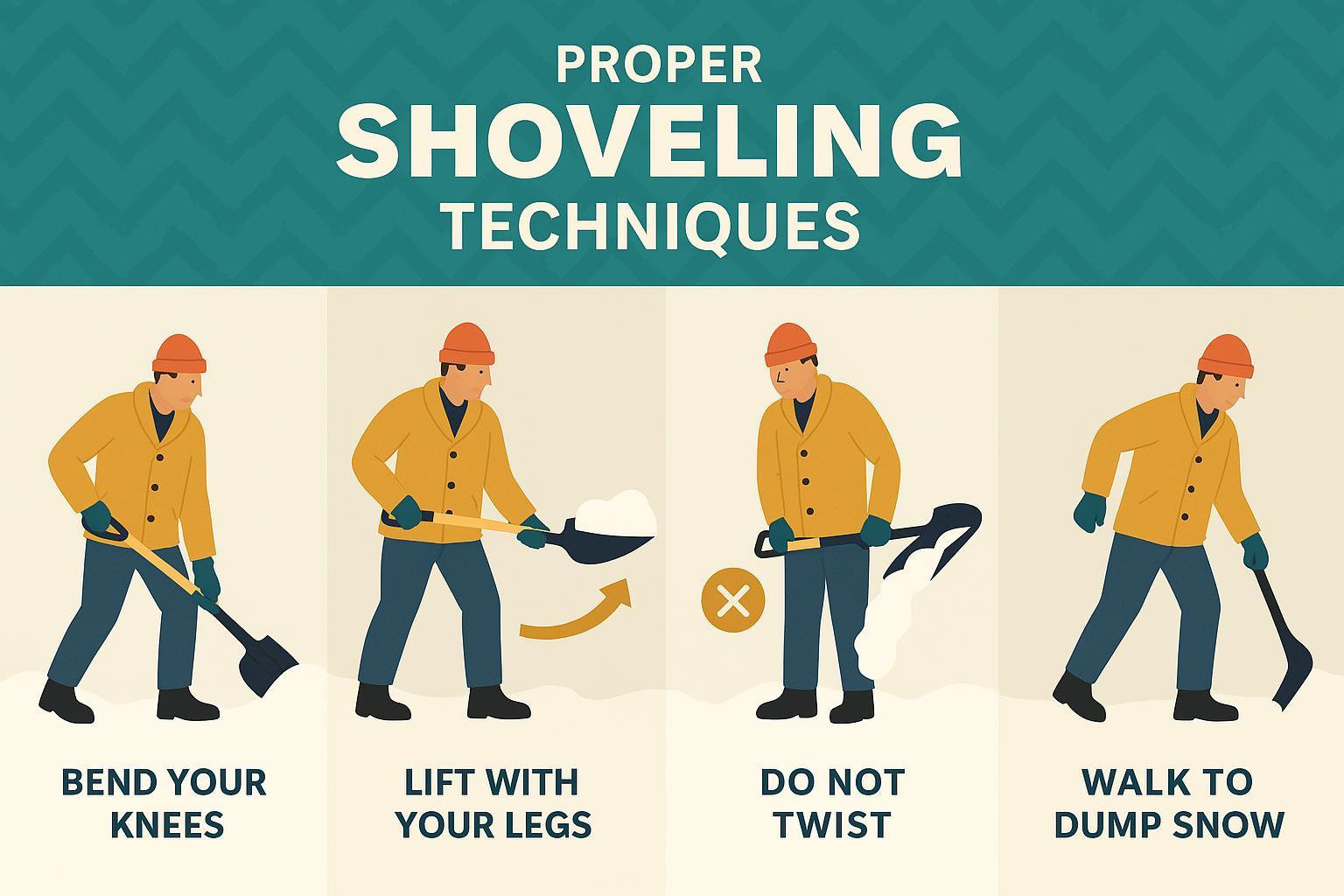
Snow shovelling is a regular part of winter life in Edmonton. After a heavy snowfall, clearing the driveway, walkway, or front steps may feel like a simple household task. However, lifting heavy snow, twisting your body, and working for a long time may put extra strain on your lower back.
Many people notice back pain after shovelling snow. Some feel soreness soon after finishing, while others notice discomfort later in the day. These problems may happen when the back muscles work harder than usual or when the body is not used to repeated lifting.
Understanding common snow shovelling mistakes may help you protect your back during winter. If back pain affects your daily activities, Back Pain Physiotherapy Edmonton services may help you understand your symptoms and explore suitable treatment options.
Back Pain Physiotherapy Edmonton: Why Snow Shovelling Causes Back Pain
Snow can be heavy, especially when it is wet or packed tightly. Each time you lift a shovel full of snow, your back, hips, arms, and legs work together to move the load.
Repeated lifting may place extra pressure on the lower back. Bending forward, reaching too far, or turning quickly while carrying snow may also strain the muscles around the back.
The risk may be higher if you have an existing back problem, spend much of the day sitting, or begin heavy outdoor work without taking breaks. Cold weather may also make your body feel stiff, so it is helpful to start slowly and avoid sudden movements.
Common Mistakes That Cause Back Pain After Snow Shovelling
1. Lifting Too Much Snow at Once
One common mistake is filling the shovel with as much snow as possible. A full shovel may seem like a faster way to clear the driveway, but it also makes each lift heavier.
Lifting a large amount of snow may put extra strain on your lower back. Instead, take smaller amounts and move them in short, manageable loads. This may take a little longer, but it allows you to work at a more comfortable pace.
2. Bending From the Waist
Bending forward repeatedly to collect snow may increase the workload on your lower back. This is especially true when you reach far away from your body.
Try to keep the shovel close to you. Bend your hips and knees as comfortable, and avoid rounding your back as you lift. Use your legs and hips to help with the movement rather than relying only on your back.
3. Twisting While Carrying Snow
Twisting your body while holding a loaded shovel is another common mistake. For example, you may scoop snow in front of you and then turn sharply to throw it to the side.
Repeated twisting under load may strain the lower back. Instead, move your feet to face the direction where you want to place the snow. Turn your whole body rather than twisting only your waist.
4. Working Without Taking Breaks
Clearing a large driveway in one go may seem like the quickest option. However, long periods of repeated lifting can leave your muscles tired.
When you become tired, it may be harder to maintain a comfortable posture. Take regular breaks, drink water, and divide the work into shorter sessions. If the snow is deep, clear it in stages rather than waiting until the entire snowfall has finished.
5. Starting Without Warming Up
Going straight from a warm home into heavy snow shovelling may leave you feeling stiff at first. Beginning with sudden, forceful movements may also make the task more difficult.
Before shovelling, spend a few minutes walking around and gently moving your arms, hips, and legs. Start with light work and gradually increase your effort. Choose movements that feel comfortable rather than forcing a stretch.
6. Using the Wrong Shovelling Technique
A shovel that is too long, too short, or difficult to grip may encourage awkward bending and reaching. Throwing snow high over a snowbank can also require extra effort.
Choose a shovel that feels comfortable to hold. Push snow to the side when possible instead of lifting every shovel full. When lifting is necessary, keep the load close to your body and avoid throwing it above shoulder height.
7. Ignoring Early Signs of Back Discomfort
Some people continue shovelling even after their lower back begins to ache. They may want to finish the driveway before stopping.
However, continuing through increasing pain may make the task harder. Stop and rest when discomfort begins. If the pain is severe, keeps getting worse, or does not improve, seek advice from a qualified healthcare professional.
Back Pain Physiotherapy Edmonton: Simple Ways to Protect Your Back
Small changes to your winter routine may help reduce strain during snow removal. Use a shovel that suits your height and strength. Push snow whenever practical, take smaller loads, and keep your movements controlled.
Wear winter footwear with a good grip to reduce the chance of slipping. Plan your work around your energy level, and ask for help with heavy or deep snow when needed.
If you regularly experience back pain after winter chores, consider whether your daily routine also involves long periods of sitting, limited physical activity, or repeated lifting. These factors may affect how your back responds to physical work.
There is no single shovelling method that prevents every injury. Pay attention to how your body feels and adjust your activity when needed.
When Should You Consider Back Pain Physiotherapy Edmonton?
Back pain after shovelling snow may settle with rest and a temporary change in activity. However, ongoing discomfort may make it difficult to bend, stand, sleep, walk, or complete everyday tasks.
A physiotherapist can assess your symptoms, discuss your daily activities, and identify movements that may be contributing to your discomfort. Based on the assessment, treatment may include suitable exercises, advice on activity changes, and other approaches based on your individual needs.
At Next Step Physiotherapy Clinic, people experiencing back pain may discuss their concerns and learn about available physiotherapy treatment options in Edmonton.
Seek urgent medical attention if back pain occurs with new loss of bladder or bowel control, numbness around the groin or saddle area, or significant or worsening leg weakness. These symptoms may require immediate assessment.
Frequently Asked Questions About Back Pain Physiotherapy Edmonton
1. Why does my lower back hurt after shovelling snow?
Your lower back may hurt because of repeated lifting, bending, twisting, or working for longer than your body is used to. Wet snow can be especially heavy. If the pain is severe, worsening, or persistent, seek advice from a healthcare professional.
2. Can Back Pain Physiotherapy Edmonton help after snow shovelling?
Physiotherapy may help identify factors contributing to your back discomfort and guide you through an appropriate treatment plan. Your physiotherapist may recommend exercises, activity changes, and other treatment options based on your symptoms and assessment.
Conclusion: Take Care of Your Back This Winter
Snow shovelling is a common winter task, but poor lifting habits and long periods of work may put extra strain on your lower back. Taking smaller loads, avoiding twisting, using comfortable movements, and resting when needed may help make snow removal more manageable.
If back pain continues after shovelling snow or affects your daily activities, consider seeking professional guidance. Next Step Physiotherapy Clinic offers physiotherapy services in Edmonton for people looking for support with back pain.
Contact the clinic to discuss your concerns and learn about suitable treatment options.
Contact Next Step Physiotherapy Clinic
Address: 22959 97 Ave NW, Edmonton, AB T5T 5X8
Call Us: (587) 853-0878
Fax Us: (780) 485-9101
Email: [email protected]
Working Hours:
Monday–Friday: 8:00 AM–8:00 PM
Saturday: 9:00 AM–2:00 PM
#BackPainPhysiotherapyEdmonton #BackPainEdmonton #LowerBackPain #SnowShovelling #WinterBackPain #PhysiotherapyEdmonton #WinterInjuryPrevention

 English
 Arabic
 Spanish
 Portuguese
 Deutsch
 Turkish
 Dutch
 Italiano
 Russian
 Romaian
 Portuguese (Brazil)
 Greek