
Key Features of EHS Software for Modern Businesses
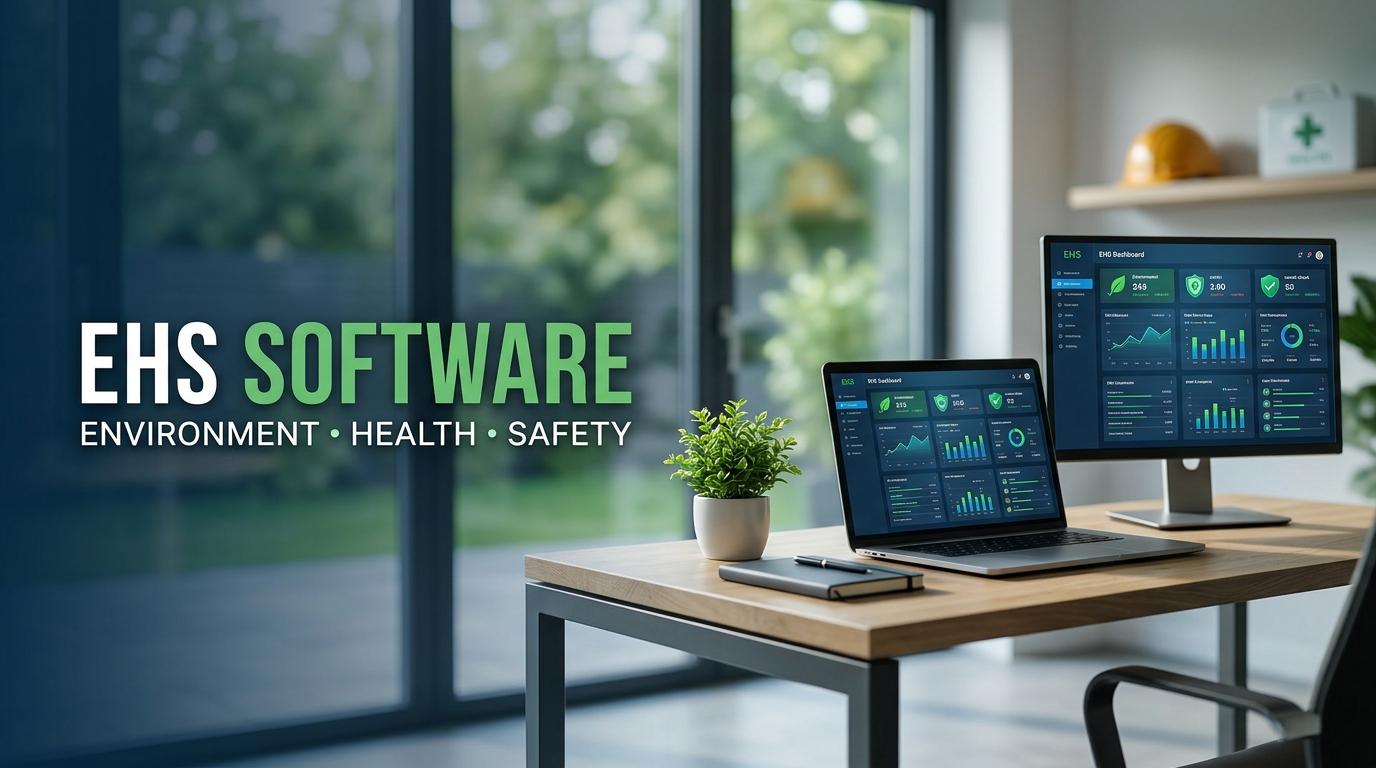
Workplace safety requires more than responding to incidents after they happen. EHS Software helps businesses organise safety activities, manage workplace risks, record incidents, and maintain important compliance records in one system. Whether you manage a manufacturing facility, construction site, warehouse, healthcare organisation, or corporate office, having reliable safety information makes it easier to identify problems and follow up on corrective actions. As businesses grow, managing inspections, reports, and safety records through paper documents or spreadsheets can become difficult, making it harder to track responsibilities and maintain consistent records.
Modern businesses often need a structured way to manage environmental, health, and safety activities across different teams and locations. EHS Software supports this by bringing together risk assessments, incident reporting, inspections, audits, training records, and compliance documentation into a connected workflow. The software itself does not create a safer workplace, but it can help organisations manage their responsibilities more effectively when employees and managers actively participate in the process.
What Is EHS Software?
EHS stands for Environment, Health, and Safety. EHS Software is a digital platform that helps organisations manage workplace safety activities, environmental responsibilities, and health-related records through organised processes and documentation.
Depending on the platform, businesses can manage incident reports, workplace inspections, risk assessments, safety audits, employee training records, corrective actions, and compliance documentation.
For example, imagine a manufacturing facility where employees operate heavy machinery, handle chemicals, and move materials throughout the day. The safety team needs to record inspections, investigate incidents, monitor corrective actions, and review workplace hazards regularly. Instead of maintaining separate spreadsheets and paper files, a central system allows authorised employees to access relevant records more efficiently.
The International Labour Organization explains that occupational safety and health management systems involve planning, implementation, evaluation, and continuous improvement. Digital systems can support these activities by helping organisations maintain structured records and organised workflows.
Why Modern Businesses Need EHS Management Software
Businesses face different types of workplace risks depending on their industry. Construction companies may focus on fall protection and equipment inspections, while healthcare organisations manage infection control, employee safety, and regulatory documentation. Warehouses, factories, offices, and logistics companies all have different operational challenges.
As organisations grow, safety information often becomes spread across departments, emails, inspection sheets, and maintenance records. This can make it difficult to identify recurring hazards or confirm whether corrective actions have been completed.
EHS Management Software helps organise these activities by providing a central place for managing safety-related information.
Some practical benefits include:
-
Better visibility of workplace hazards
-
More organised incident records
-
Consistent inspection schedules
-
Easier follow-up on corrective actions
-
Improved access to historical safety information
-
Better coordination between safety teams and management
The software works best when employees understand how to use it and when managers actively review the information it provides.
Risk Assessment Software Helps Identify Workplace Hazards
One of the most important features of EHS Software is Risk Assessment Software. Risk assessments help organisations identify workplace hazards, evaluate potential risks, and decide what controls are needed.
A hazard is something that could cause harm. Risk considers both the likelihood of harm occurring and the possible consequences.
For example, damaged electrical equipment, blocked emergency exits, chemical exposure, or unsafe storage conditions may all require assessment before they create more serious problems.
Record workplace hazards consistently
A structured system allows employees and safety teams to document hazards in a consistent way.
Information may include:
-
Hazard location
-
Description of the issue
-
Risk level
-
Existing controls
-
Recommended actions
-
Review dates
Keeping this information organised helps managers review whether identified hazards have been addressed.
Review changing workplace conditions
Workplaces change regularly. New equipment, different materials, revised procedures, and changing work environments may introduce new risks.
A digital system can help organisations review existing assessments when conditions change instead of relying on outdated documents.
Incident Reporting Software Improves Workplace Reporting
Incident Reporting Software allows employees and supervisors to document workplace events through a structured reporting process.
Incidents may include:
-
Employee injuries
-
Near misses
-
Equipment failures
-
Unsafe conditions
-
Property damage
-
Environmental events
Without a clear reporting process, important details can be forgotten or never reach the people responsible for investigating the issue.
Make reporting easier for employees
Employees are more likely to report workplace concerns when the process is straightforward.
Depending on the platform, reporting may include:
-
Date and time
-
Location
-
Description of the event
-
Photos
-
Witness information
-
Immediate actions taken
This information helps investigators review what happened more accurately.
Capture near misses
Near misses deserve attention because they reveal problems before someone is injured.
For example, a tool falling near a worker may indicate problems with storage procedures or equipment handling. Recording these events gives safety teams additional opportunities to prevent future incidents.
The Occupational Safety and Health Administration recommends investigating both harmful incidents and near misses to identify underlying causes and improve workplace safety.
Safety Audit Software Organises Inspections
Regular inspections are an important part of workplace safety. Safety Audit Software helps businesses plan inspections, document findings, assign responsibilities, and monitor progress.
Instead of relying on printed checklists, organisations can maintain inspection records digitally and review previous findings more easily.
Schedule regular inspections
Different work areas require different inspection frequencies.
Examples include:
-
Fire safety equipment
-
Emergency exits
-
Electrical systems
-
Machinery
-
Personal protective equipment
-
Housekeeping
-
Chemical storage
A digital schedule helps safety teams identify completed and overdue inspections.
Use consistent audit checklists
Digital checklists encourage consistency across departments and locations.
Auditors can record:
-
Observations
-
Photographs
-
Compliance status
-
Recommended actions
Checklists should support professional judgement rather than replace it. Serious hazards should always be documented, even if they do not appear on the standard form.
Corrective Action Management Keeps Follow Up Organised
Finding a workplace problem is only the beginning. The organisation also needs to make sure someone resolves it.
Corrective Action Management helps teams assign responsibilities, monitor progress, and confirm completion.
A typical process includes:
-
Record the issue.
-
Investigate the cause.
-
Decide on corrective actions.
-
Assign responsibility.
-
Set completion dates.
-
Verify the results.
For example, if an inspection identifies damaged safety barriers, the responsible maintenance team can receive the assigned task while managers monitor completion.
Verification remains important because closing a digital task does not automatically mean the workplace hazard has been removed.
Compliance Management Supports Organised Documentation
Many businesses need organised documentation for internal reviews, customer requirements, industry standards, and applicable regulations.
EHS Compliance Management helps businesses maintain records such as:
-
Risk assessments
-
Inspection reports
-
Incident investigations
-
Employee training
-
Audit findings
-
Corrective actions
-
Safety procedures
A central record system makes information easier to retrieve during internal reviews and external audits.
However, software alone does not guarantee compliance. Businesses must still understand the legal requirements that apply to their industry and location.
Environmental Health and Safety Software Improves Data Visibility
One advantage of Environmental Health and Safety Software is improved visibility into workplace activities.
Instead of reviewing multiple spreadsheets from different departments, managers can access central reports showing safety performance across locations.
Useful reporting areas may include:
-
Incident trends
-
Outstanding corrective actions
-
Inspection completion rates
-
High-risk locations
-
Training completion
-
Recurring hazards
These reports help managers prioritise resources instead of reacting only after problems become more serious.
The quality of reporting depends on accurate data entry and consistent employee participation.
Mobile Access Supports Field Teams
Many employees do not work from office desks. Construction workers, warehouse teams, maintenance technicians, and field inspectors often need access while moving around the workplace.
Mobile access can help employees:
-
Submit incident reports
-
Complete inspections
-
Upload photographs
-
View assigned tasks
-
Update corrective actions
For example, a supervisor inspecting a warehouse can document hazards immediately instead of transferring handwritten notes later.
Businesses should confirm how mobile features work under their actual operating conditions, including connectivity requirements and supported devices.
Employee Training Management Improves Recordkeeping
Training records are another important part of workplace safety.
Some EHS platforms help businesses organise:
-
Safety induction records
-
Refresher training
-
Certification expiry dates
-
Required training by job role
-
Training completion reports
For example, if forklift operators require periodic refresher training, the system can help managers review completion records and identify upcoming renewals.
Accurate training records help organisations demonstrate that required activities have been completed while making it easier to identify outstanding training needs.
Analytics Help Businesses Make Better Decisions
Modern EHS Software often includes reporting and analytics tools that help organisations identify patterns instead of reviewing individual records separately.
Examples include:
-
Departments with repeated incidents
-
Frequently reported hazards
-
Overdue corrective actions
-
Inspection completion trends
-
Training participation
Analytics help managers ask better questions.
For example, if multiple departments report similar slips, trips, and falls, the organisation can investigate whether housekeeping procedures, flooring conditions, or workplace layouts require attention.
These insights become more valuable when the underlying information is complete and consistently recorded.
Choosing the Right EHS Software for Your Business
Before selecting an EHS platform, businesses should review their actual operational needs.
Important questions include:
-
Which safety activities create the biggest administrative burden?
-
Which records need central management?
-
How many locations will use the system?
-
Which employees need access?
-
Which existing systems require integration?
Other practical considerations include:
-
Ease of use
-
Mobile functionality
-
Reporting capabilities
-
User permissions
-
Data security
-
Technical support
-
Future scalability
A small business may need basic incident reporting and inspections, while a larger organisation may require advanced reporting, multiple-site management, and broader integration capabilities.
Testing the software with a pilot group before full implementation can help identify practical issues early.
Conclusion
EHS Software gives modern businesses a structured way to organise workplace safety activities, environmental responsibilities, and compliance documentation. By combining risk assessments, incident reporting, inspections, audits, corrective actions, and training records, businesses can manage safety information more consistently across different teams and locations.
The most valuable features include Risk Assessment Software, Incident Reporting Software, Safety Audit Software, Corrective Action Management, mobile access, compliance recordkeeping, and reporting tools that help managers identify workplace trends.
Choosing the right system depends on your business size, operational requirements, and existing processes. When employees actively report hazards, managers review the available information, and organisations follow through on corrective actions, EHS Software becomes a practical tool that supports safer workplace management rather than simply storing records.
Sources
-
International Labour Organization, Occupational Safety and Health Management Systems
-
OSHA, Hazard Identification and Assessment
-
OSHA, Incident Investigation
-
ISO 45001 Occupational Health and Safety Management Systems

 English
 Arabic
 French
 Spanish
 Portuguese
 Deutsch
 Dutch
 Italiano
 Russian
 Romaian
 Portuguese (Brazil)
 Greek