
How Do Apalutamide 60 mg Tablet Benefits Extend Beyond Hormone Control?
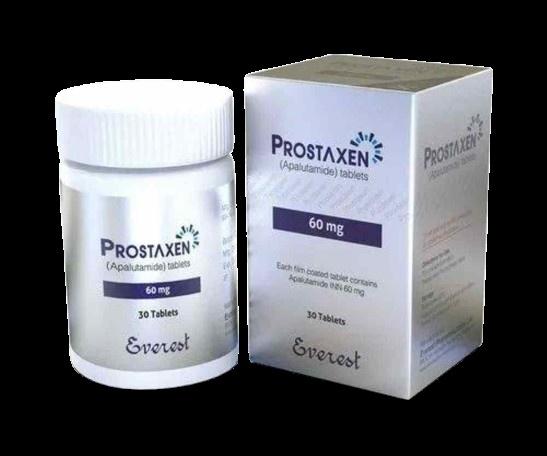
In the event that the prostate cancer has already metastasized to sites such as bones and lymph nodes, then the management must be aimed at controlling the growth and proliferation of the cancer beyond the prostate gland. mCSPC is still sensitive to lowering the level of testosterone, but this alone may not be enough to manage the condition. Apalutamide 60 mg Tablet provides another way of managing the condition by blocking androgen receptors.
Why Is Apalutamide Important in Metastatic Prostate Cancer?
However, prostate cancer cells may keep reacting to low levels of androgens in the blood, despite the reduction in the level of production of testosterone. The tablet binds to the androgen receptor and stops its transport to the nucleus, DNA binding, and activation of androgen-sensitive genes. This mechanism sets it apart from other hormone suppression strategies. It not only decreases the amount of hormone available but also blocks the response of cancer cells to the hormones. This drug is used together with ADT in mCSPC.
What Additional Benefits Does The Tablet Offer?
The mechanism of action in treating prostate cancer includes the following points:
It Increases Treatment Efficiency: In TITAN clinical trial, the use of the medicine together with ADT led to an increased percentage of men with undetectable PSA compared to ADT alone.
It Helps to Reduce Cancer Activity: It inhibits the androgen-dependent gene expression, thus blocking prostate cancer cells proliferation signals.
It Helps to Manage Metastatic Cancer: It is a systemic treatment that can be used when the cancer has spread beyond the prostate gland.
It Improves Overall Outcomes of the Disease: The results of the TITAN clinical trial have proven that Apalutamide in combination with ADT improves overall survival and radiographic progression-free survival.
What Should Patients Monitor During Treatment?
The safety of Apalutamide in NSLC treatment can be different in each individual patient. Some of the common adverse reactions include:
-
Skin rash and itching
-
Feeling tired and weak
-
Pain in joints
-
Hot flushes
-
Diarrhea and loss of appetite
-
High blood pressure
How Can Patients Manage Treatment-Related Risks?
Some patients may have an increased tendency for falls and fractures during treatment with such therapy. Persistent skin rash, dizziness and unexplained weakness should be immediately brought to the attention of the doctor. Monitoring of blood pressure and bone status as well as the effectiveness of the treatment is advised. Another thing that should be discussed is any other medication a patient may be taking.
Conclusion
This targeted hormonal therapy is a medication used for treating mCSPC because of its capability to inhibit androgen receptor function apart from testosterone inhibition. Amongst other benefits, it improves PSA response and enhances disease control outcomes when used in combination with ADT.
FAQs
1. What are some of the possible side effects of the medicine?
Some of the side effects include weakness, skin rash, joint pain, flushing, diarrhea, loss of appetite and high blood pressure. Falls and bone fractures can also happen, however, it is better to take safety precautions during or before the treatment under medical supervision.
2. What is the recommended dose of the tablet on a daily basis?
The dose for adults is 240 mg once a day, which means taking four tablets of 60 mg.

 English
 Arabic
 Spanish
 Portuguese
 Deutsch
 Turkish
 Dutch
 Italiano
 Russian
 Romaian
 Portuguese (Brazil)
 Greek