
Cross Compression T-Shirt: A Practical Guide for Active Wear
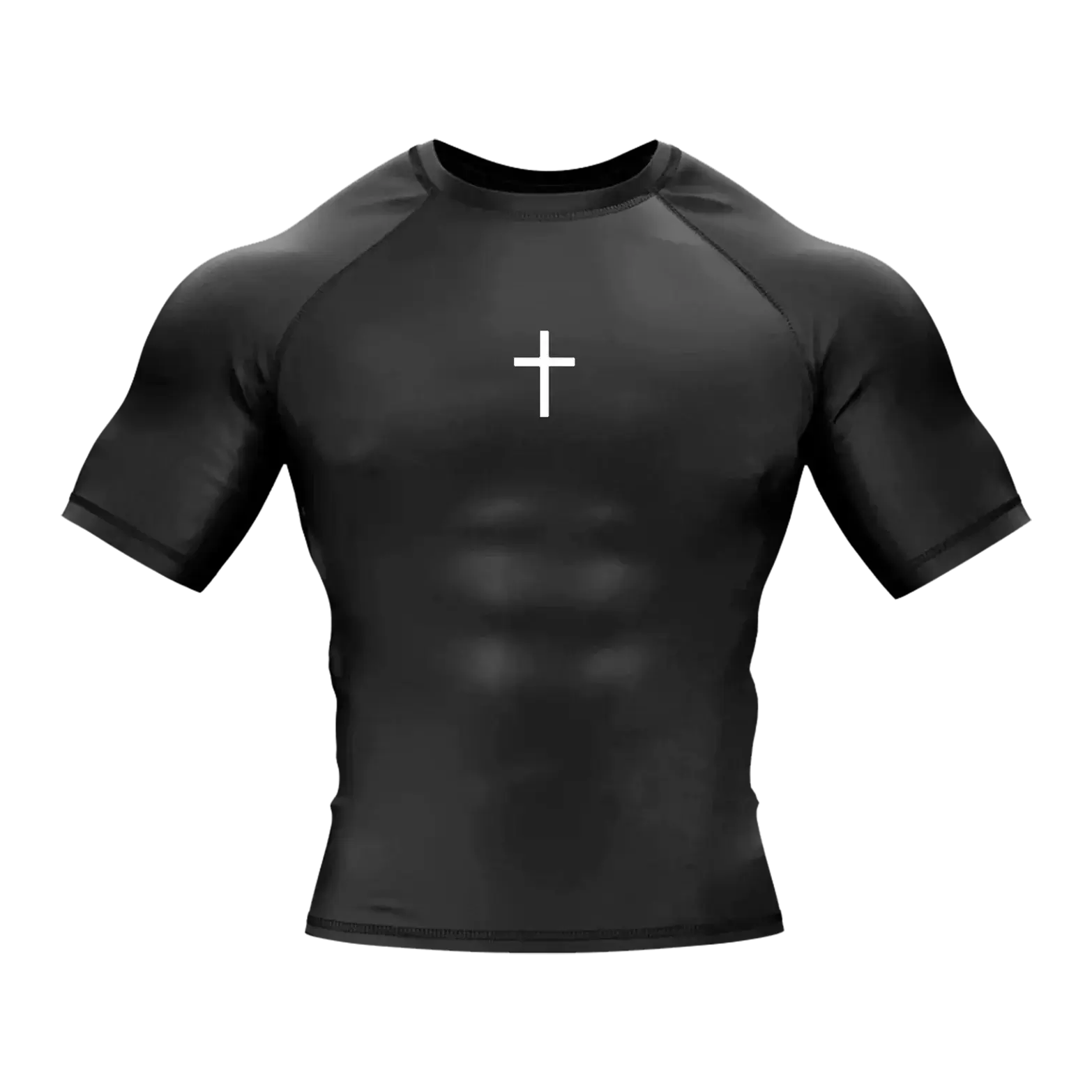
A Cross compression t-shirt is a close-fitting athletic garment designed for people who want a secure layer during exercise, training, or other active routines. Unlike a standard T-shirt, it is made with stretchable materials that follow the body's shape. This construction keeps excess fabric to a minimum and allows the shirt to remain relatively stable during movement.
When choosing a Cross compression t-shirt, the most important consideration is not simply how tight it feels. Fabric composition, elasticity, breathability, stitching, sizing, and intended use all influence comfort. A well-designed compression shirt should fit closely while still allowing the wearer to breathe normally and move without unnecessary restriction.
What Is a Compression T-Shirt?
Compression T-shirts are athletic tops made from fabrics that combine stretch and recovery. They are generally constructed from synthetic fibers such as polyester or nylon combined with elastane or spandex.
The elastic component allows the fabric to stretch around the body. Once the pressure from movement is reduced, quality fabric should recover much of its original shape. This characteristic helps the shirt maintain a fitted appearance after repeated use.
Compression shirts are used in many types of physical activity. Some people wear them directly against the skin, while others use them as a base layer beneath jerseys, jackets, or other training clothing.
Important Features to Look For
Fabric Composition
Fabric has a major effect on how a compression shirt feels. Polyester is commonly used because it is lightweight, durable, and generally dries faster than cotton. Nylon can provide a smooth feel and good resistance to wear.
Elastane or spandex is usually included to provide stretch. The percentage of elastic fiber can influence how tightly the garment fits and how well it recovers its shape.
There is no universal fabric blend that works best for everyone. The ideal choice depends on the activity, climate, personal comfort, and preferred feel.
Breathability
A close-fitting shirt can become uncomfortable if heat and moisture are not managed effectively. Look for lightweight materials or ventilation features when the shirt will be used during intense exercise or in warm weather.
Breathability does not mean the garment prevents sweating. It refers to how effectively heat and moisture can move through the material.
Seam Construction
Seams deserve attention because they can affect comfort during repeated movement. Poorly positioned or bulky seams may rub against the skin, particularly during running or long training sessions.
Flat seams or carefully positioned stitching can help minimize friction. The quality of the neckline, sleeve openings, and bottom hem is also worth checking.
Benefits of Wearing a Compression T-Shirt
Less Loose Material
A conventional loose T-shirt can shift, fold, or ride up during exercise. A compression garment remains closer to the body, which can make certain movements more convenient.
For example, someone performing bench presses or overhead exercises may prefer a shirt that does not bunch around the shoulders and upper back.
Convenient Base Layer
Compression shirts are particularly useful underneath other garments. Their close profile creates less bulk beneath a sports jersey, hoodie, jacket, or training top.
This can be helpful during outdoor exercise when additional layers are needed as temperatures change.
Moisture Management
Many performance fabrics are designed to move perspiration away from the skin and dry relatively quickly. This can help the garment feel more comfortable during prolonged activity.
The effectiveness depends on the specific material and construction, so shoppers should examine fabric details rather than assuming that every compression shirt offers the same moisture management.
Stable Coverage
A fitted athletic top is less likely to move dramatically when the wearer stretches, bends, jumps, or raises the arms. This provides consistent coverage during activities that require frequent changes in position.
Versatile Athletic Style
Compression shirts can be worn for many activities, including strength training, running, cycling, field sports, and general fitness. Some designs are also suitable for casual activewear when the wearer prefers a fitted appearance.
How to Find the Right Fit
Start With Measurements
Use the manufacturer's size chart whenever possible. Chest measurement is usually one of the most useful measurements for a compression top. Some brands also provide waist, height, or weight guidance.
Do not assume that your usual T-shirt size will produce the same fit in compression clothing. Athletic garments often use different sizing systems.
Know What Proper Compression Feels Like
The shirt should feel snug and remain close to the body. However, excessive pressure is not a sign of better quality.
A properly fitted garment should not cause significant pain, unusual numbness, tingling, or difficulty breathing. If movement feels restricted, the garment may be too small or may simply not suit your body shape.
Check Movement Before Training
If possible, try moving through several positions while wearing the shirt. Raise your arms, bend forward, rotate your torso, and stretch.
The shirt should remain reasonably secure without the sleeves cutting into the arms or the bottom hem creating uncomfortable pressure.
Choosing a Shirt for Different Activities
Gym Workouts
For weightlifting and resistance training, a compression shirt can reduce excess fabric around machines and equipment. Stretch is particularly important because exercises such as shoulder presses and rows require considerable upper-body movement.
Running
Runners should prioritize lightweight fabric, moisture management, and comfortable seams. A shirt that feels acceptable for a short workout may become irritating during longer runs, so seam placement and fabric texture matter.
Cycling
Cyclists may appreciate a close-fitting shirt because loose material can shift during continuous movement. If used as a base layer, it should fit smoothly underneath cycling-specific clothing.
Team Sports
Compression tops can be worn underneath sports uniforms in activities involving running, jumping, and rapid changes of direction. In these situations, stable construction and unrestricted movement are more important than appearance alone.
Common Challenges to Consider
Excessive Heat
A tight synthetic garment can feel warm, particularly during summer workouts. For hot environments, consider lightweight construction and ventilation features.
Skin Irritation
Sweat and friction may irritate sensitive skin. Proper sizing, smooth seams, and regular washing can help. If a particular fabric repeatedly causes irritation, another material may be more suitable.
Odor
Some synthetic fabrics can retain odors when sweat and body oils accumulate. Washing the shirt promptly after demanding workouts can help maintain freshness.
Loss of Stretch
Elastic fibers can gradually lose their original recovery through repeated wear and improper care. High heat, harsh washing conditions, and excessive stretching may contribute to premature wear.
Care Tips for Better Durability
Always check the garment's care label before washing. Follow the recommended water temperature and drying method.
Avoid leaving a damp compression shirt inside a gym bag for an extended period. Moisture trapped in a closed environment can contribute to unpleasant odors.
When putting the shirt on, avoid pulling aggressively on one small section of fabric. Distribute the tension across the garment instead. This can reduce unnecessary stress on seams and elastic fibers.
Proper care will not make a garment last indefinitely, but it can help preserve its fit and fabric properties for longer.
Practical Buying Checklist
Before buying a Cross compression t-shirt, review the following points:
-
Measure your chest and compare it with the size chart.
-
Check the percentage of elastane or spandex.
-
Consider polyester or nylon blends for active use.
-
Look for breathable construction in warm conditions.
-
Examine the seams and sleeve openings.
-
Decide whether the shirt will be worn alone or as a base layer.
-
Check the manufacturer's washing instructions.
-
Consider the length of your typical workouts.
-
Avoid selecting a smaller size simply to achieve a tighter fit.
These checks can help distinguish a genuinely suitable garment from one that only looks appealing in product photographs.
Frequently Asked Questions
1. What is a Cross compression t-shirt?
A Cross compression t-shirt is a fitted athletic top designed to sit close to the body. It is generally made from stretchable performance fabrics and can be used for training, sports, running, or layering.
2. Is a compression T-shirt supposed to be uncomfortable?
No. It should feel snug but should not cause significant discomfort. Pain, numbness, tingling, or restricted breathing can indicate that the garment is too tight or unsuitable.
3. What fabric should I choose for exercise?
Synthetic blends containing polyester or nylon with elastane are commonly used for athletic compression clothing. The best choice depends on the activity, temperature, moisture management needs, and personal preference.
4. Can I wear a compression shirt under a jersey?
Yes. The close-fitting design makes compression shirts useful as base layers. A lightweight shirt with smooth seams generally works well underneath another athletic garment.
5. How often should a compression shirt be washed?
Wash it after demanding workouts or whenever it becomes heavily exposed to sweat. Follow the manufacturer's care instructions to protect the fabric and elastic components.
Conclusion
A Cross compression t-shirt can provide a practical combination of close fit, flexible movement, moisture management, and easy layering. Its value depends heavily on choosing the correct size and selecting fabric and construction that match the intended activity.
For gym training, running, cycling, and team sports, features such as stretch recovery, breathable material, smooth seams, and secure hems can make a noticeable difference. Comfort should remain a priority because a garment that is excessively tight or poorly constructed can become distracting during exercise.
Before purchasing, compare measurements, inspect the fabric composition, consider the climate, and review the care requirements. A thoughtful choice will provide a more reliable fit and make the shirt useful across a wider range of active situations.

 English
 Arabic
 French
 Spanish
 Portuguese
 Deutsch
 Turkish
 Dutch
Dutch
 Italiano
 Russian
 Portuguese (Brazil)
 Greek
Greek